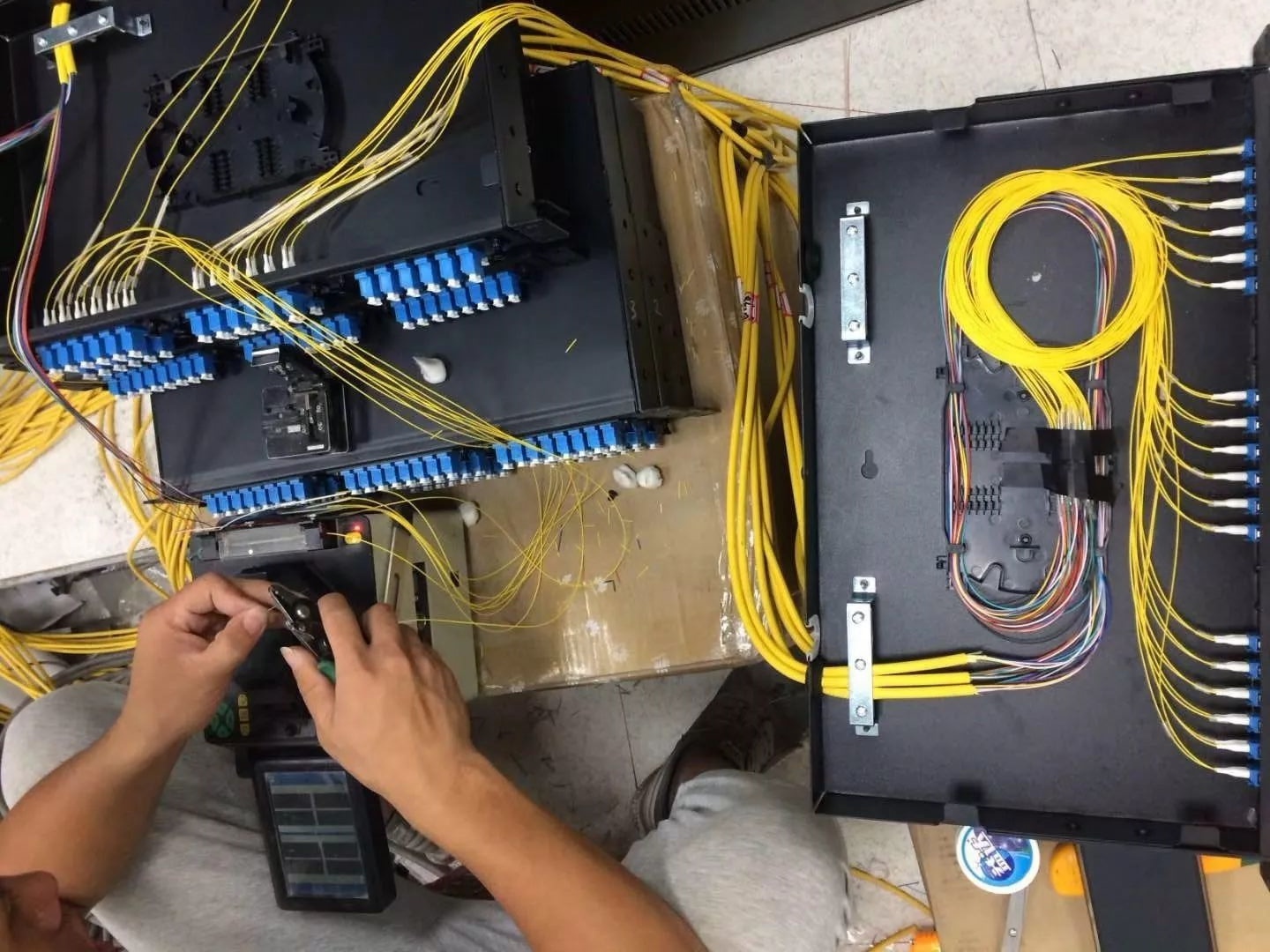
Installing a fiber optic patch panel may seem straightforward, but many network issues originate from small installation mistakes. Poor fiber routing, incorrect bend radius, or improper labeling can all lead to signal loss, maintenance difficulties, and unexpected downtime.
This article highlights the most common fiber patch panel installation mistakes, explains why they cause problems, and provides practical guidance on how to avoid them.
If you need a foundational understanding of fiber patch panels, start with our pillar article:
What Is a Fiber Optic Patch Panel and How Does It Work?
Ignoring Minimum Bend Radius Requirements
The Mistake
Fibers are bent too tightly inside the patch panel or cable management tray.
Why It’s a Problem
Exceeding the minimum bend radius increases attenuation and may cause long-term fiber damage.
How to Avoid It
- Follow manufacturer bend radius guidelines
- Use proper fiber routing paths and management rings
- Avoid sharp corners and forced bends
Poor Fiber Cable Management
The Mistake
Loose fibers, tangled patch cords, or overcrowded panels.
Why It’s a Problem
Poor cable management makes troubleshooting difficult and increases the risk of accidental disconnections.
How to Avoid It
- Route fibers neatly and consistently
- Use cable managers, guides, and tie points
- Leave service loops for future maintenance
Incorrect Fiber Polarity
The Mistake
Transmit (Tx) and receive (Rx) fibers are connected incorrectly.
Why It’s a Problem
Incorrect polarity results in link failures or intermittent connectivity issues.
How to Avoid It
- Follow standardized polarity methods
- Verify polarity during installation
- Test links before commissioning
Insufficient Labeling and Documentation
The Mistake
Ports and fibers are unlabeled or labeled inconsistently.
Why It’s a Problem
Technicians cannot quickly identify connections, leading to errors during maintenance or upgrades.
How to Avoid It
- Clearly label ports, cables, and trays
- Use durable, readable labels
- Keep installation records and diagrams updated
Using the Wrong Patch Panel Type
The Mistake
Selecting a patch panel that does not match the installation environment or network scale.
Why It’s a Problem
Improper panel selection can cause overcrowding, poor protection, or limited expansion.
How to Avoid It
- Choose between rack mount, wall mount, indoor, or outdoor panels based on application
- Plan capacity for future growth
- Match panel specifications to network requirements
Inadequate Fiber Protection at Cable Entry Points
The Mistake
Cables enter the patch panel without proper strain relief or protection.
Why It’s a Problem
Mechanical stress can damage fibers and connectors over time.
How to Avoid It
- Use proper strain relief devices
- Secure incoming cables
- Protect fibers from sharp edges
Skipping Testing After Installation
The Mistake
Assuming the installation is correct without testing.
Why It’s a Problem
Hidden issues may not appear until the network is live, making troubleshooting more disruptive.
How to Avoid It
- Perform continuity and loss testing
- Verify each connection
- Document test results for future reference
Overlooking Future Maintenance and Expansion
The Mistake
Installing the patch panel without considering future changes.
Why It’s a Problem
Lack of planning can lead to rework, downtime, and inefficient upgrades.
How to Avoid It
- Leave spare ports and space
- Use modular patch panels where possible
- Design for scalability
Not Following Manufacturer Guidelines
The Mistake
Ignoring installation instructions or best practices provided by the manufacturer.
Why It’s a Problem
Incorrect installation may void warranties or reduce product lifespan.
How to Avoid It
- Review installation manuals
- Follow recommended torque, routing, and mounting instructions
- Use approved accessories
Treating Patch Panel Installation as a One-Time Task
The Mistake
Failing to maintain and review the installation over time.
Why It’s a Problem
Network conditions change, and unmanaged patch panels degrade in performance and usability.
How to Avoid It
- Periodically inspect patch panels
- Update labels and documentation
- Maintain consistent fiber management practices
Conclusion
Most fiber patch panel problems are not caused by defective components but by installation and maintenance mistakes. By understanding common errors and following proven best practices, network engineers can improve reliability, reduce downtime, and simplify long-term operation.
A well-installed fiber patch panel is not just a termination point—it is a foundation for a stable and scalable fiber network.




 English
  Español