
When sourcing armored fiber optic cable internationally, the factory unit price is only part of the equation. Many buyers underestimate additional expenses that appear between production and final delivery, which can significantly impact the real project budget.
Understanding total landed cost helps system integrators, contractors, and distributors avoid pricing surprises and make accurate comparisons across suppliers.
This calculation method fits into the broader topic of understanding how armored fiber optic cable costs are structured.
What Does “Total Landed Cost” Really Mean?
Total landed cost refers to the complete cost of owning the cable at your destination, not just the purchase price. It typically includes:
- Factory cable price
- International transportation
- Customs duties and taxes
- Local handling and clearance fees
- Ancillary project-related expenses
Ignoring any of these elements can lead to under-budgeting or incorrect supplier comparisons.
Step 1: Factory Price (FOB or EXW)
The starting point is the quoted cable price from the manufacturer, usually based on FOB or EXW terms.
Key factors influencing this base price include:
- Fiber count and fiber type
- Armor structure (steel tape, steel wire, double armor)
- Jacket material and compliance requirements
- Order quantity
These base pricing variables are discussed in more detail in a detailed breakdown of armored fiber optic cable pricing variables
Step 2: International Shipping Costs
Shipping cost depends heavily on:
- Shipping method (sea vs air)
- Cable weight and reel size
- Destination port and congestion
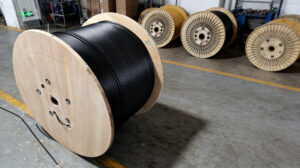
Armored fiber optic cables are heavy by nature, making sea freight the most common option for bulk orders. Even small differences in reel configuration can change freight classification and cost.
Step 3: Import Duties, VAT, and Taxes
Once the cable reaches the destination country, import-related charges apply. These may include:
- Customs duties (percentage-based)
- Value-added tax (VAT) or GST
- Brokerage and documentation fees
These charges vary by country and HS code and should always be confirmed before finalizing supplier selection.
Step 4: Hidden Logistics and Handling Costs
Beyond official duties, additional costs often appear during local handling:
- Port storage or demurrage
- Inland transportation
- Warehouse unloading and inspection
- Palletizing or repackaging
These expenses are often overlooked but can materially affect the per-meter cost.
Step 5: Installation-Driven Cost Adjustments
The final landed cost is also influenced by how and where the cable will be installed.
For example, cost assumptions for warehouse delivery differ from those for underground or outdoor deployment. A useful comparison can be found in cost differences between direct burial and duct-installed armored cables.
Installation environment often dictates additional material requirements, handling precautions, and labor considerations.
Step 6: Risk and Compliance Cost Buffer
Projects involving regulated environments may require:
- Fire-performance compliance documentation
- Factory test reports
- Third-party certification
These compliance-related costs may not appear directly on invoices but should be included in landed cost planning, especially for public or infrastructure projects.
Example: Total Landed Cost Calculation (Simplified)
Assume the following scenario:
- Factory price (FOB): $180/km
- Quantity: 10 km
- Sea freight & insurance: $300
- Import duty (5%): $90
- Local handling & inland transport: $120
Total landed cost:
$1,800 + $300 + $90 + $120 = $2,310
≈ $0.23 per meter
Without accounting for logistics and duties, the apparent price difference between suppliers can be misleading.
Conclusion: Why Total Landed Cost Matters More Than Unit Price
Choosing armored fiber optic cable based on unit price alone often leads to budget overruns. A proper landed cost calculation provides a realistic view of total project expense and enables accurate supplier comparison.
By evaluating factory pricing, logistics, import costs, and installation context together, buyers can make informed, risk-aware purchasing decisions.



 English
  Español