Introduction
Direct burial armored fiber optic cable is widely used in outdoor installations where ducts or conduits are unavailable. Compared with standard duct cables, direct burial solutions require stronger mechanical protection and enhanced moisture resistance, which naturally raises the overall cost.
Understanding what drives the cost of direct burial armored fiber optic cable helps project planners avoid over-specifying—or under-protecting—their fiber network.
What Is Direct Burial Armored Fiber Optic Cable?
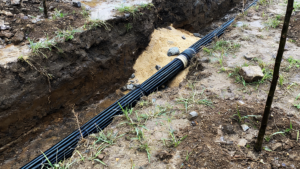
Direct burial armored fiber optic cable is designed to be installed directly underground without additional conduit protection.
Typical design features include:
- Heavy-duty armor (steel tape, steel wire, or double armor)
- Thicker PE outer jacket
- Water-blocking gel, tapes, or yarns
- Enhanced crush and rodent resistance
Because of these added protections, direct burial cables are structurally different and more expensive than standard outdoor duct cables.
Average Cost of Direct Burial Armored Fiber Optic Cable (2025)
Based on FOB China factory pricing, typical cost ranges are:
| Cable Type | Fiber Count | Typical Price (USD/km) |
|---|---|---|
| GYTS (light direct burial) | 12–48 cores | $160 – $260 |
| GYTA53 / GYTY53 (double armored) | 12–96 cores | $220 – $420 |
| SWA armored cable | 4–24 cores | $300 – $600 |
Note: Final pricing varies depending on fiber type, jacket thickness, armor structure, and order quantity.
Key Cost Drivers for Direct Burial Fiber Cables
1. Armor Structure
The choice of armor has the largest impact on cost:
- Steel tape armored cables offer basic rodent protection
- Double armored cables add steel tape plus PE inner sheath
- Steel wire armored cables (SWA) provide the highest tensile strength
In projects that involve high pulling forces or uneven terrain, many engineers compare options carefully, and this SWA vs GYTS armored fiber optic cable cost comparison explains how armor structure affects both performance and price.
2. Jacket Thickness and Material
Direct burial cables use:
- Thicker PE jackets for abrasion resistance
- Sometimes dual-sheath designs for moisture isolation
These material upgrades increase raw material consumption and manufacturing cost.
3. Water-Blocking Requirements
Because underground environments are prone to moisture:
- Jelly-filled loose tubes
- Water-blocking yarns
- Swellable tapes
are all commonly added, contributing to higher prices.
4. Installation Risk Factor
Direct burial installations carry higher risk:
- Soil movement
- Heavy vehicles above ground
- Long-term compression
To compensate, manufacturers design cables with higher safety margins, which also reflect in the price.
For a broader understanding of how these structural upgrades influence overall pricing, this armored fiber optic cable pricing overview breaks down cost differences across all armored cable types.
Is GYTS Suitable for Direct Burial?
In some cases, GYTS can be used for light direct burial, especially when:
- Soil conditions are stable
- Burial depth is sufficient
- Additional sand or protective layers are applied
However, for long-term reliability in harsh environments, double armored or SWA cables are usually recommended.
You can review detailed GYTS armored fiber optic cable specifications to evaluate whether its structure meets the protection requirements of your specific installation.
Cost Comparison: Direct Burial vs Duct Installation
| Installation Method | Relative Cable Cost | Protection Level |
|---|---|---|
| Duct / conduit | Lower | Medium |
| Light direct burial | Medium | Medium–High |
| Heavy direct burial | Highest | Very High |
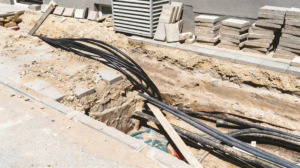
Although direct burial cables cost more upfront, they eliminate the need for conduits, often reducing total project cost.
How to Optimize Direct Burial Cable Cost
To avoid unnecessary spending:
- Match armor level to actual soil and load conditions
- Avoid over-specifying SWA where double armor is sufficient
- Order in bulk to reduce per-kilometer cost
- Request CIF or DDP pricing for accurate landed cost
Final Thoughts
Direct burial armored fiber optic cable costs more because it must survive mechanical stress, moisture, and long-term underground conditions. Choosing the right armor structure—not simply the strongest one—ensures cost efficiency and network reliability.



 English
  Español