Introduction
Double armored fiber optic cable is commonly specified for harsh outdoor environments where standard armored designs may not provide sufficient protection. Compared with single-armored cables, double armored structures offer higher crush resistance, better moisture protection, and longer service life—but at a higher cost.
This article provides a clear double armored fiber optic cable cost comparison, helping engineers and buyers understand when the extra investment is justified and how it compares with other armored cable options.
What Is Double Armored Fiber Optic Cable?
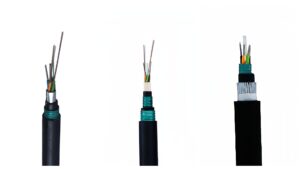
Double armored fiber optic cable typically refers to designs such as GYTA53 or GYTY53, which include two layers of mechanical protection.
A typical structure includes:
- Central loose tube or stranded loose tubes
- Inner corrugated metal tape armor
- Inner PE sheath
- Outer metal tape armor
- Final PE outer jacket
This layered design significantly improves resistance to crushing, rodent damage, and moisture ingress, making it suitable for demanding installations.
Average Cost of Double Armored Fiber Optic Cable (2025)
Based on FOB China factory pricing, typical ranges are:
| Cable Type | Fiber Count | Price Range (USD/km) |
|---|---|---|
| GYTA53 | 12–48 cores | $220 – $320 |
| GYTA53 | 72–96 cores | $280 – $400 |
| GYTY53 | 12–48 cores | $230 – $350 |
| GYTY53 | 72–96 cores | $300 – $420 |
Prices vary depending on fiber type, jacket thickness, and order quantity.
Why Double Armored Cables Cost More
1. Dual Armor Structure
Double armored cables use two separate metal protection layers, increasing:
- Raw material consumption
- Manufacturing time
- Overall cable weight
This directly results in higher production and logistics costs.
2. Additional Sheathing Layers
The inclusion of an inner PE sheath improves moisture isolation but also adds:
- Extra extrusion processes
- Higher compound usage
3. Installation Environment
Double armored cables are typically selected for:
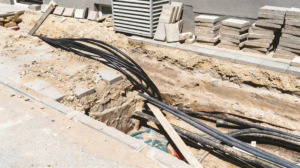
- Direct burial in unstable soil
- Areas with heavy surface loads
- Long-term underground infrastructure
For projects that involve underground installation without ducts, this direct burial armored fiber optic cable cost guide explains why additional protection layers are often required.
Double Armored vs Single Armored: Cost Perspective
| Cable Type | Relative Cost | Protection Level |
|---|---|---|
| GYTS (single armored) | Low | Medium |
| Double armored (GYTA53/GYTY53) | Medium–High | High |
| SWA armored | High | Very High |
From a cost-performance standpoint, double armored cables often sit in the middle ground, offering strong protection without the extreme cost of SWA.
Many buyers also compare mechanical strength and pricing between structures, and this SWA vs GYTS armored fiber optic cable cost comparison highlights where double armor fits between these two options.
When Is Double Armored Cable the Right Choice?
Double armored fiber optic cable is recommended when:
- Soil conditions are aggressive or unstable
- Direct burial depth is limited
- Long-term durability is a priority
- SWA is technically sufficient but economically excessive
In such cases, double armored designs provide a balanced solution between cost and protection.
Understanding Cost Within the Bigger Picture
To understand how double armored cables compare with other armored designs in the market, this armored fiber optic cable pricing overview provides a complete breakdown of cost factors.
Product Specification Reference
You can review detailed GYTA53 double armored fiber optic cable specifications to confirm structure, standards, and available configurations for your project.
Final Thoughts
Double armored fiber optic cable costs more than single armored designs, but it offers enhanced reliability and longer service life in demanding environments. When SWA is unnecessary and GYTS is insufficient, double armor often represents the most cost-effective compromise.



 English
  Español