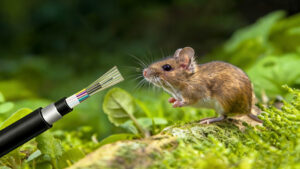
Rodent damage is one of the most common causes of failure in underground fiber optic networks. In rural areas, agricultural zones, and even urban infrastructure corridors, rodents such as rats, squirrels, and gophers often chew through cable jackets, exposing or breaking optical fibers.
Because underground cables remain buried for decades, preventing rodent damage must be considered during the design and installation stages. Selecting the right cable structure and deployment method can dramatically reduce the risk of network outages and expensive repairs.
For a broader technical overview of underground cable environments and infrastructure planning, see the guide on underground fiber optic cable installation methods and applications
Why Rodents Damage Fiber Optic Cables
Rodents constantly gnaw to control the growth of their teeth. Underground cables often attract rodents because:
- Cable jackets may contain plasticizers or organic compounds
- Trenches provide protected pathways
- Warm environments attract nesting
- Agricultural fields and greenbelts have high rodent populations
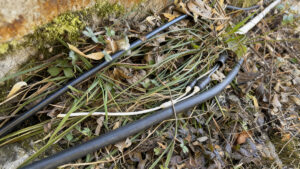
When rodents chew through the outer sheath, moisture can enter the cable and damage internal fibers, leading to signal loss or complete service interruption.
Understanding common causes of underground fiber optic cable failures in buried networks
1. Use Armored Fiber Optic Cables
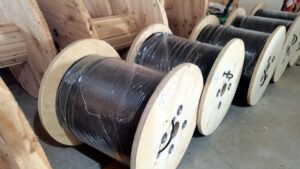
The most reliable way to prevent rodent damage is to use armored cable structures. These cables include a metal layer that acts as a mechanical barrier.
Steel tape armored designs are widely used for this purpose because the corrugated metal layer prevents rodents from penetrating the cable.
Many operators specify steel tape armored fiber optic cable for direct burial installations when deploying underground broadband infrastructure.
Armored cables significantly improve long-term reliability in rural deployments where rodent populations are difficult to control.
2. Choose Proper Installation Methods
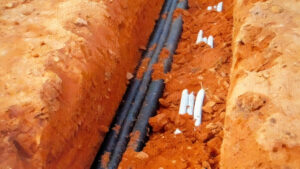
Installation technique also plays a major role in rodent protection. Poor trench design can create cavities where rodents easily travel and nest.
In many projects, planners evaluate direct burial vs duct installation for underground fiber networks to determine which method offers better environmental protection.
Duct systems provide an additional physical barrier between rodents and cables, while direct burial installations may rely more heavily on armored cable structures.
3. Maintain Adequate Burial Depth
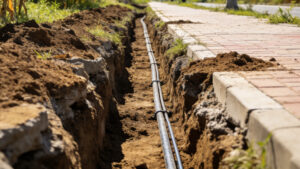
Shallow cable placement increases the likelihood of rodent exposure. Many small animals operate near the surface soil layer.
Following recommended burial depth standards for underground fiber optic cable installations helps reduce the probability of rodent interaction while also protecting cables from surface activities.
Typical depths vary depending on soil conditions, terrain, and national construction standards.
4. Select Durable Jacket Materials
Cable jacket materials influence resistance to rodent chewing.
Common outdoor materials include:
- HDPE (High-density polyethylene)
- LSZH (Low smoke zero halogen)
- TPU (Thermoplastic polyurethane)
These materials provide stronger mechanical resistance compared to softer plastics. In many outdoor installations, engineers select heavy duty outdoor armored fiber optic cable designed for harsh environments to enhance durability.
5. Use Rodent Deterrent Additives or Barriers
Some specialized cables incorporate additional deterrent technologies such as:
- Glass yarn reinforcement
- Metallic shielding layers
- Chemical rodent repellent compounds
While these solutions may increase cost, they are sometimes justified in high-risk environments such as farmland or transportation corridors.
6. Route Planning and Environmental Assessment
Rodent protection should begin during network planning.
Engineers typically analyze:
- Soil composition
- Agricultural activity
- Wildlife habitats
- Existing underground utilities
Projects that involve long-distance rural deployment often follow best practices for long distance underground fiber optic backbone construction to ensure cables remain protected across diverse environments.
Signs of Rodent Damage in Fiber Cables
Operators should monitor networks for signs of potential rodent activity, including:
- Sudden signal attenuation
- Intermittent service outages
- Localized fiber breaks
- Jacket penetration visible during inspections
Early detection allows operators to repair damaged segments before widespread service disruption occurs.
Conclusion
Rodent damage is a major threat to underground fiber optic infrastructure, particularly in rural and agricultural regions. Effective protection requires a combination of strategies, including armored cable designs, proper burial depth, durable jacket materials, and thoughtful installation planning.
By integrating rodent protection into both cable selection and construction practices, network operators can significantly improve the reliability and lifespan of underground fiber optic systems.