Introduction
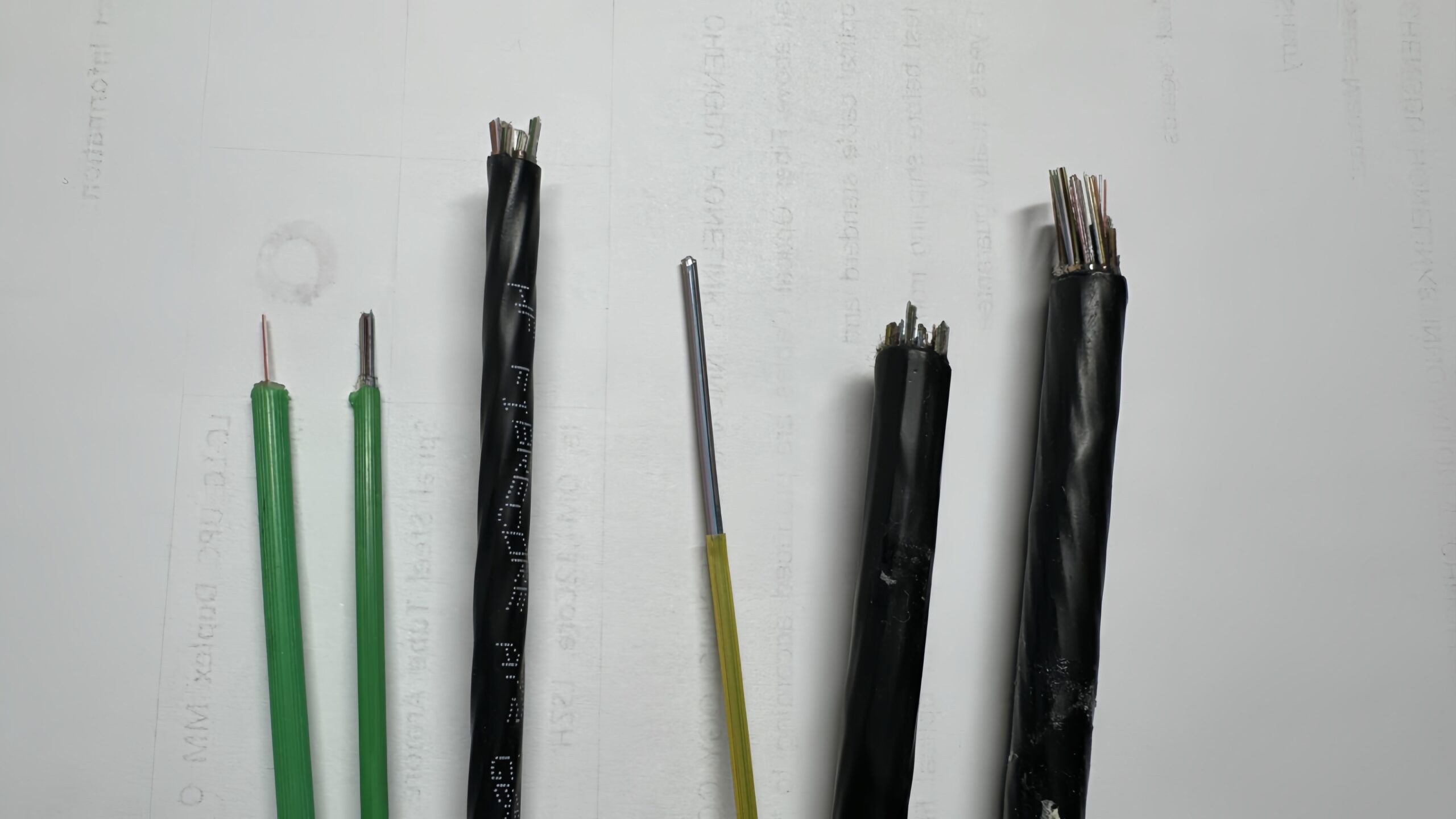
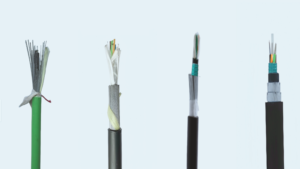
Choosing the right air blown fiber cable is critical for achieving stable installation, optimal performance, and long-term scalability. Unlike traditional pulled fiber, air blown systems require careful consideration of blowing distance, microduct size, and fiber demand.
This guide explains how to select the most suitable air blown fiber cable for different network layers and deployment scenarios.
Key Factors to Consider When Selecting Air Blown Fiber Cable
1. Blowing Distance Requirements
Blowing distance is one of the most important selection criteria. Different cable structures are optimized for different installation ranges.
| Blowing Distance | Recommended Cable Type |
|---|---|
| ≤ 500 m | EPFU |
| 500 m – 1.5 km | Super Mini Uni-tube |
| ≥ 1.5 km | Multi-core Air Blown Cable |
For short-distance FTTH drop connections,EPFU air blown fiber cable is typically the most efficient solution.
2. Required Fiber Count
Fiber demand directly affects cable structure and size. Selecting an oversized cable increases cost and reduces blowing efficiency.
| Fiber Requirement | Suitable Cable |
|---|---|
| 1–12 fibers | EPFU |
| 12–24 fibers | Super Mini Uni-tube |
| 24–144+ fibers | Multi-core Air Blown Cable |
For building distribution and access-level aggregation,super mini uni-tube air blown fiber cable offers a balanced solution.
3. Microduct Inner Diameter
Microduct compatibility is essential for smooth installation and repeat blowing.
| Microduct ID | Recommended Cable |
|---|---|
| 3–5 mm | EPFU |
| 5–8 mm | Super Mini Uni-tube |
| 10–14 mm | Multi-core Air Blown Cable |
Always match the cable outer diameter to the duct size to avoid excessive friction or reduced blowing distance.
4. Network Layer and Application Scenario
Different parts of the network require different air blown cable types.
| Network Layer | Application | Recommended Cable |
|---|---|---|
| Access / Last mile | FTTH drop | EPFU |
| Distribution | Building / floor | Super Mini Uni-tube |
| Feeder / Backbone | Campus / metro | Multi-core Air Blown Cable |
For FTTH-specific architectures, air blown fiber cable for FTTH networks typically adopts a layered approach, combining EPFU for last-mile access with distribution-level air blown cables.
EPFU vs Super Mini Uni-tube vs Multi-core Air Blown Cable
| Feature | EPFU | Super Mini Uni-tube | Multi-core |
|---|---|---|---|
| Fiber capacity | Low | Medium | High |
| Blowing distance | Short | Medium | Long |
| Typical role | Final drop | Distribution | Backbone |
| Microduct size | Small | Medium | Large |
This layered design approach enables modular and scalable air blown fiber networks.
Common Selection Mistakes to Avoid
- Choosing high fiber-count cables for short access routes
- Ignoring microduct size limitations
- Overestimating future fiber demand at the access level
- Mixing cable types without clear network hierarchy
A well-designed air blown fiber system always follows a clear access–distribution–backbone structure.
Product Selection Reference
For detailed specifications and available configurations, you can refer to:
- Product page :EPFU Air Blown Fiber Cable
- Product page:Super Mini Uni-tube Air Blown Fiber Cable
- Product page:24–288 Cores Air Blown Fiber Cable
(Each product page provides technical details for final confirmation.)
Conclusion
Selecting the right air blown fiber cable requires balancing distance, fiber count, duct size, and application scenario. By matching the correct cable type to each network layer, operators can achieve efficient installation, lower costs, and long-term scalability.
As part of a complete air blown fiber solution, proper cable selection ensures your network remains flexible and future-ready.



 English
  Español