Introduction
When planning outdoor fiber optic installations, one of the most common questions engineers ask is whether single armored fiber optic cable is sufficient, or if double armored protection is worth the extra cost.
Although both options are designed to protect optical fibers from physical damage, the price difference between single armored and double armored fiber optic cables can be significant. Understanding what drives this gap helps buyers select the right protection level without overspending.
What Is Single Armored Fiber Optic Cable?
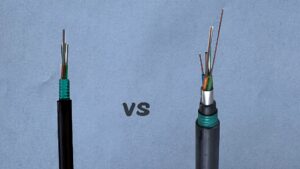
Single armored fiber optic cable typically uses one layer of metal protection, most commonly corrugated steel tape (CST).
Common characteristics include:
- One metal armor layer
- PE or LSZH outer jacket
- Water-blocking materials
- Moderate crush and rodent resistance
Single armored designs such as GYTS are widely used in duct installations and light direct burial scenarios where extreme mechanical stress is not expected.
For common outdoor deployments, many engineers first check the structural design and configuration options of GYTS armored fiber cables to determine whether single armor protection is sufficient.
What Is Double Armored Fiber Optic Cable?
Double armored fiber optic cable includes two separate metal protection layers, often combined with an inner PE sheath.
Typical examples include GYTA53 and GYTY53, which are designed for:
- Higher crush resistance
- Improved moisture isolation
- Long-term underground reliability
These cables are commonly selected for direct burial and harsh outdoor environments.
In demanding installation scenarios, project designers often review the construction details and performance parameters of GYTA53 double armored fiber cables before finalizing specifications.
Price Difference: Single vs Double Armored
Based on FOB China factory pricing (2025):
| Cable Type | Fiber Count | Typical Price (USD/km) |
|---|---|---|
| Single armored (GYTS) | 24 cores | $150 – $200 |
| Double armored (GYTA53/GYTY53) | 24 cores | $230 – $320 |
On average, double armored fiber optic cable costs 30–60% more than single armored cable with the same fiber count.
Why Double Armored Cables Cost More
1. Additional Armor Layer
Two metal layers significantly increase:
- Raw material consumption
- Manufacturing steps
- Cable weight
2. Inner Sheath Design
The added PE inner sheath improves water resistance but requires:
- Extra extrusion processes
- More polymer material
3. Installation Use Case
Double armored cables are designed for higher-risk environments, which justifies the higher cost.
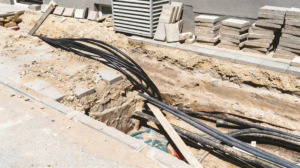
In situations where cables are installed underground without ducts, this article on how burial conditions influence armored fiber cable costs explains why single armor may not provide adequate protection.
Which Option Offers Better Value?
| Installation Scenario | Recommended Choice |
|---|---|
| Duct or conduit | Single armored |
| Light direct burial | Single armored (with precautions) |
| Heavy direct burial | Double armored |
| High soil pressure | Double armored |
Choosing double armored cable where single armor is sufficient often leads to unnecessary cost increases.
Understanding Price Differences in Context
To better understand how different armor structures affect overall pricing, this in-depth breakdown of armored fiber optic cable cost structures provides a comprehensive market perspective.
How Does SWA Fit Into the Comparison?
In projects requiring even higher tensile strength, steel wire armored (SWA) cables may also be considered.
For environments requiring maximum mechanical strength, this comparison on when SWA cables become more cost-effective than tape-armored designs helps clarify the trade-offs.
Final Thoughts
The price difference between single armored and double armored fiber optic cables reflects material usage, structure complexity, and intended installation environment. Selecting the correct armor level ensures both network reliability and cost efficiency.




 English
  Español