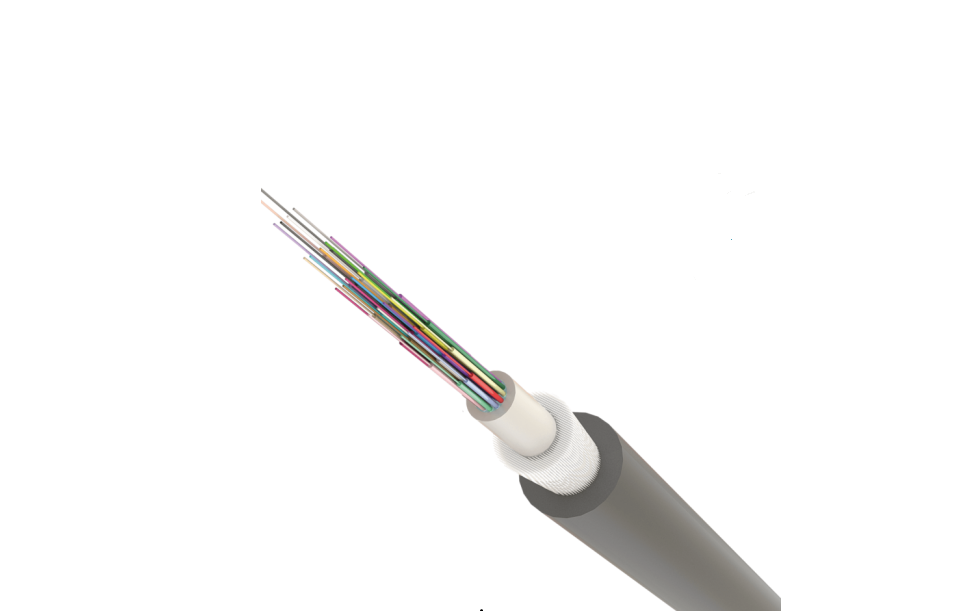
What Are Gel-Filled Fiber Optic Cables?
Gel-filled fiber optic cables are a type of fiber optic cable designed for environments where moisture and water are a concern. These cables feature a special gel-like substance that fills the interstitial spaces between the fibers, providing a protective barrier against water infiltration. This gel not only prevents moisture from reaching the fibers but also prevents physical damage to the fibers, which can occur due to water exposure.
The primary purpose of gel-filled cables is to ensure that your fiber optic network remains protected in environments with high humidity or where direct exposure to water may occur. These cables are widely used in underground installations, outdoor settings, and submarine applications.
Why Are Gel-Filled Fiber Optic Cables Necessary in Moisture-Rich Environments?
Fiber optic cables are designed to transmit data over long distances at high speeds, but they are susceptible to water damage if not properly protected. Gel-filled cables help safeguard the fibers inside the cable and ensure the network’s performance remains reliable. Let’s dive into the benefits and functionalities of gel-filled fiber optic cables:
1. Water and Moisture Resistance
Gel-filled cables are designed with a hydrophobic gel that effectively blocks moisture from entering the cable’s core. The gel is typically composed of materials like silicone or petroleum-based compounds that prevent water from migrating into the cable’s fibers. This is crucial in environments like sewer systems, marine applications, and underground utility ducts where the cable could be exposed to water or moisture for extended periods.
Without the gel, water can seep into the fibers and cause signal loss, fiber degradation, or even complete failure of the optical link. By using gel-filled cables, you reduce the risk of downtime and improve the longevity of your network.
2. Prevention of Fiber Corrosion
Exposure to moisture can cause corrosion of the metal components inside fiber optic cables, including the strength members and copper conductors. Gel-filled cables provide a protective barrier against this corrosion by ensuring that water cannot come into direct contact with the metal parts. This helps to maintain the integrity of the fiber, which is crucial for reliable data transmission over long distances.
Learn more about how gel-filled fiber optic cables work to protect your network.
3. Impact on Network Performance
Fiber optic networks depend on minimal signal loss for optimal performance. Moisture ingress into the fiber optic cable can lead to attenuation (signal loss), which reduces the clarity and strength of the signal transmitted. Gel-filled cables effectively minimize the risk of moisture-related performance issues, ensuring the signal is transmitted clearly and efficiently.
4. Flexibility in Harsh Environments
Gel-filled fiber optic cables are flexible and suitable for installation in environments with fluctuating temperatures, high moisture levels, and varying pressure. These cables can be installed in areas that would otherwise be considered high-risk, like coastal regions, flood-prone areas, or places with high water tables.
How Do Gel-Filled Fiber Optic Cables Compare to Other Types of Fiber Optic Cables?
Gel-filled fiber optic cables stand out from other types of fiber optic cables due to their unique ability to provide water resistance and moisture protection. Here’s how they compare to other cables:
1. Dry-Core Cables
Dry-core cables are designed to be moisture-resistant but lack the gel substance used in gel-filled cables. While they may provide some protection, they are not as effective at preventing water infiltration in highly humid or wet conditions.
2. Loose Tube Fiber Optic Cables
Loose tube cables are commonly used for outdoor and underground installations, where they offer flexibility in temperature changes. However, they may not provide the same level of moisture protection as gel-filled cables. While they can handle temperature extremes, they still may require additional moisture barriers.
Check out how gel-filled cables compare to other fiber optic cable types in our comparison guide.
3. Armored Fiber Optic Cables
While armored fiber optic cables provide mechanical protection against physical damage, they may not offer the same moisture protection as gel-filled cables. Armored cables are best suited for environments where physical threats like digging or rodent activity are more common.
Where Are Gel-Filled Fiber Optic Cables Used?
Gel-filled fiber optic cables are most commonly used in environments where the cable will be exposed to moisture or water. Common applications include:
- Marine and Underwater Installations: For subsea communication networks, where water is constantly present.
- Underground Networks: In areas prone to high moisture, such as sewer systems or flood-prone regions.
- Data Centers in Humid Climates: Protecting cables from moisture that could affect the performance of the network.
Conclusion
Gel-filled fiber optic cables are an essential part of building robust, reliable networks in moisture-rich environments. With their water-resistant properties and ability to prevent moisture damage, these cables ensure that your network performs optimally, even in the harshest conditions.
If you’re looking to build a network in an area with high moisture levels, gel-filled fiber optic cables should be your go-to choice.
Find out more about outdoor fiber optic cable solutions in our complete guide.


 English
  Español