In today’s world, reliable internet connectivity is essential for both businesses and individuals. Outdoor fiber optic cables play a pivotal role in ensuring high-speed data transmission across networks, from rural broadband to city-wide fiber-optic deployments. These cables are specifically designed to withstand harsh environmental conditions, providing durability and optimal performance even in the toughest climates.
Whether you’re installing fiber optics in a remote area, connecting urban centers, or setting up a long-distance network, this comprehensive guide will help you understand the different types of outdoor fiber optic cables, their benefits, and how to install and maintain them for a high-performing network.
What Are Outdoor Fiber Optic Cables?
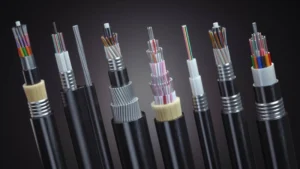
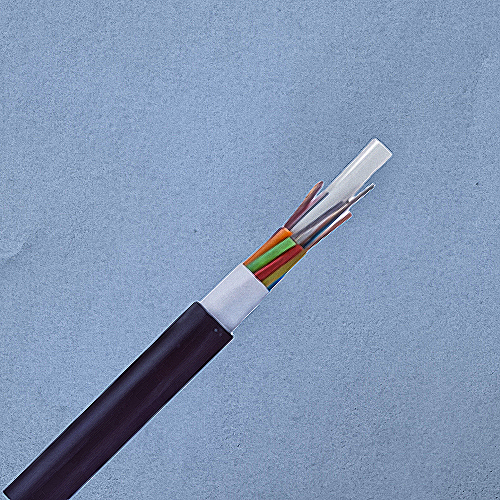
Outdoor fiber optic cables are designed for use in outdoor environments, where they must withstand environmental factors like moisture, UV rays, temperature extremes, and physical damage. Unlike indoor cables, which are typically lighter and more flexible, outdoor cables are made with durable materials and protective coatings to ensure they remain operational under challenging conditions.
The key advantage of fiber optic cables lies in their ability to transmit large amounts of data over long distances with minimal signal loss, making them perfect for communication systems, broadband, and data centers.
Types of Outdoor Fiber Optic Cables
| Cable Type | Structure | Typical Use |
|---|
| Loose Tube Cable | Central loose tube, gel-filled | Underground, long-haul |
| Armored Cable | Steel tape or corrugated steel | Harsh environments, direct-buried |
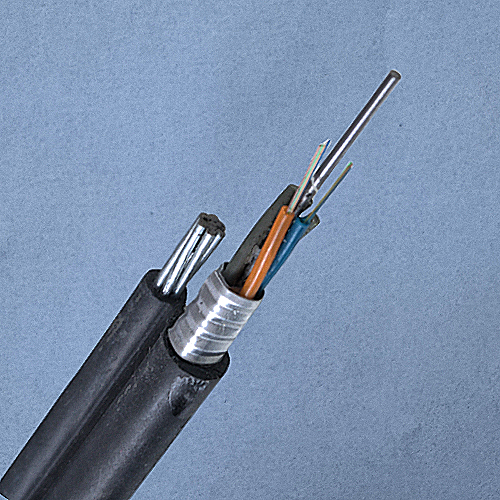
| Figure-8 Cable | Self-supporting with steel wire | Aerial installations |
| Air Blown Cable | Microduct, lightweight | Flexible, future expansion |
| ADSS Cable | All-Dielectric, Self-Supporting | Aerial over power lines |
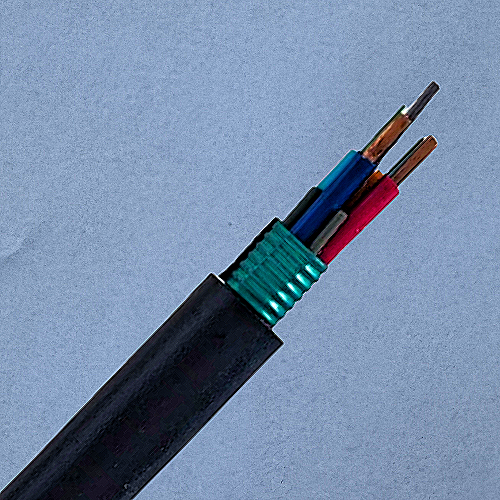
Browse Our Range of Outdoor Fiber Optic Cables
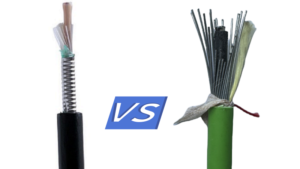
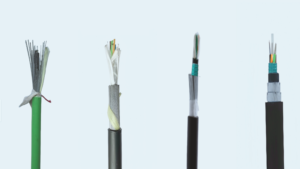
There are several types of outdoor fiber optic cables, each suited for specific environmental conditions and installation requirements. Let’s dive into the main options available:
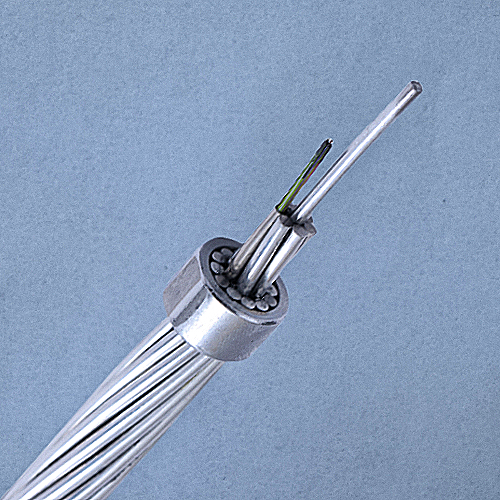
1. ADSS (All-Dielectric Self-Supporting) Fiber Optic Cable
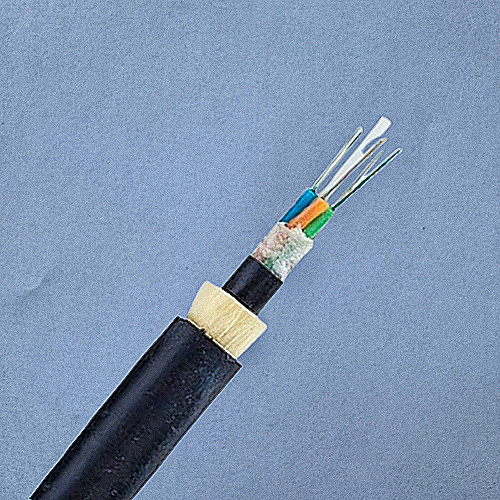
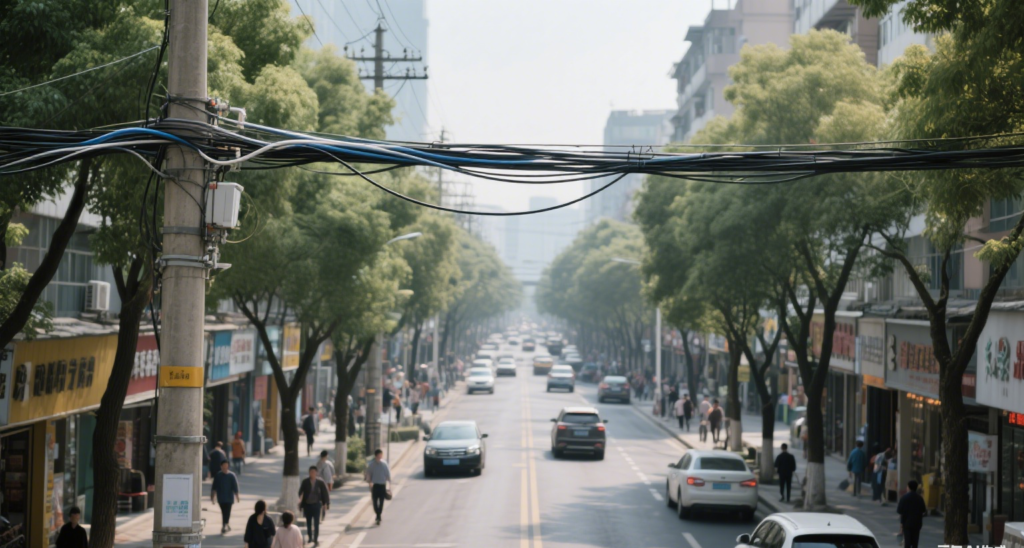
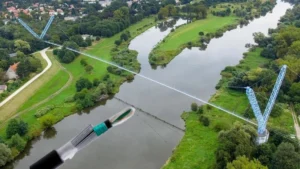
ADSS fiber optic cables are used for overhead installations and are ideal for areas where there’s no metallic infrastructure. The “all-dielectric” feature means the cable doesn’t require metal elements for support, making it highly resistant to electrical interference. ADSS cables are often used for long-distance connections between cities or to provide broadband in rural areas.
Best for: Long-distance aerial installations and rural broadband.
Learn more about ADSS Fiber Optic Cables and their applications.
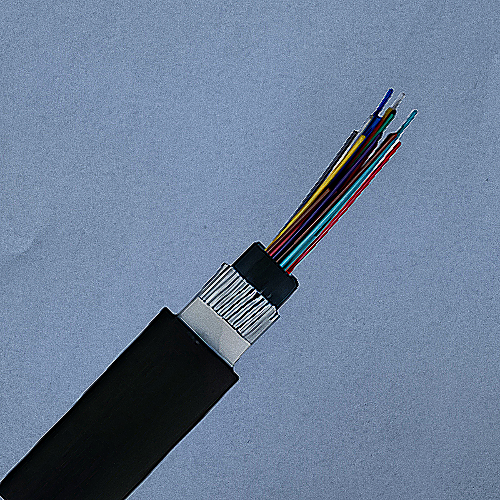
2. Armored Fiber Optic Cable
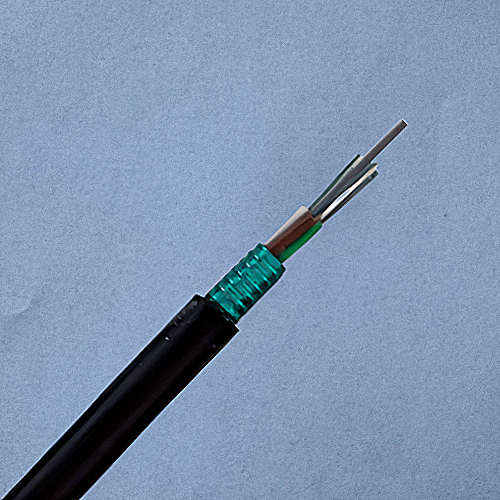
Armored fiber optic cables have a protective armor layer made of steel or aluminum to prevent damage from physical impacts such as digging or rodent interference. These cables are highly durable and ideal for underground installations, making them perfect for areas prone to physical damage.
Best for: Underground and direct burial installations.
Explore the benefits of Armored Fiber Optic Cables for underground use.
3. Gel-Filled Fiber Optic Cable
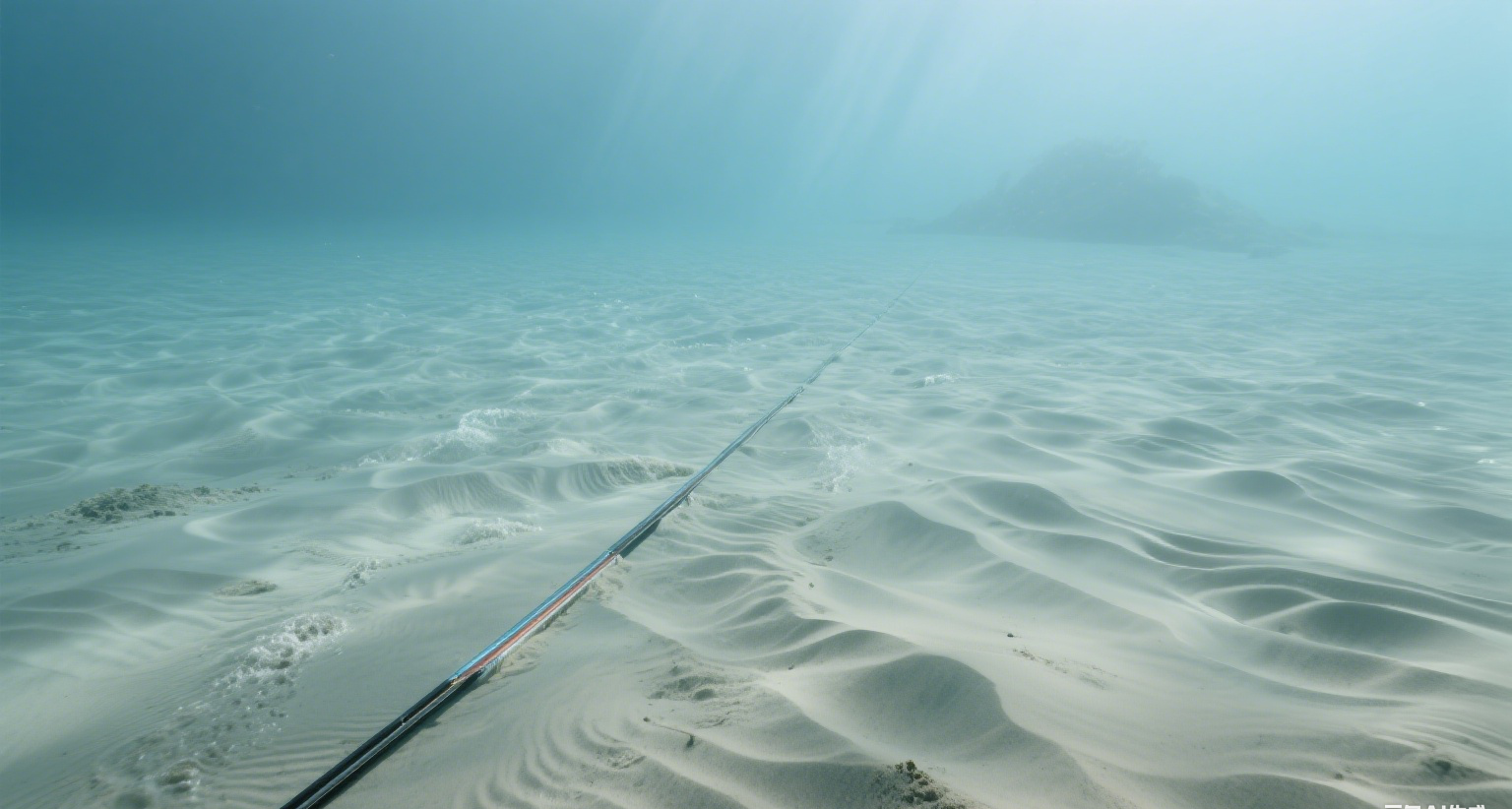
Gel-filled fiber optic cables are designed for environments where moisture is a concern. The gel inside the cable prevents water from entering and affecting the fibers, ensuring signal integrity. These cables are typically used in areas with high humidity or underwater applications.
Best for: Moisture-rich environments and underwater applications.
Find out how gel-filled cables protect against moisture.
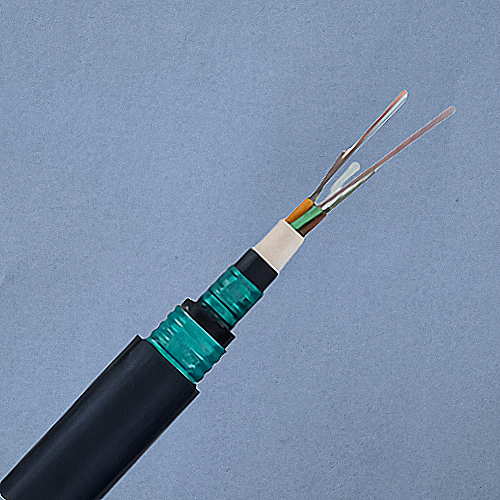
4. Loose Tube Fiber Optic Cable
Loose tube fiber optic cables feature a flexible design where the optical fibers are housed inside a tube that can expand and contract as needed. This design makes loose tube cables perfect for areas with extreme temperature fluctuations, as they can handle thermal expansion without damaging the fibers.
Best for: Areas with temperature extremes.
Learn more about Loose Tube Fiber Optic Cables.
Benefits of Outdoor Fiber Optic Cables
Outdoor fiber optic cables offer several key advantages that make them an ideal choice for building high-speed, reliable networks:
1. High-Speed Data Transmission
Outdoor fiber optic cables can transmit data at incredibly high speeds, much faster than copper cables. This speed allows for smoother, faster communication, whether you’re streaming videos, running cloud applications, or supporting critical infrastructure.
2. Durability and Weather Resistance
These cables are built to withstand the toughest outdoor conditions. They are resistant to UV rays, rain, moisture, and extreme temperatures, ensuring they remain operational year-round.
3. Low Latency
Fiber optic cables have a much lower latency compared to traditional cables. This means data is transmitted almost instantly, which is essential for real-time applications like video conferencing, live streaming, and remote work.
4. Long-Lasting and Low Maintenance
Once installed, outdoor fiber optic cables require minimal maintenance. They have a long lifespan, typically 20-30 years, making them a cost-effective choice for long-term infrastructure projects.
How to Install Outdoor Fiber Optic Cables
Installing outdoor fiber optic cables requires careful planning to ensure they perform optimally over their lifespan. Here’s a general overview of the installation process:
1. Plan the Installation Route
Planning is critical for a successful installation. You’ll need to determine the best path for the fiber optic cables, avoiding obstacles such as power lines, roads, or potential construction sites. Be sure to account for the necessary physical protection in areas prone to damage.
2. Prepare the Ground
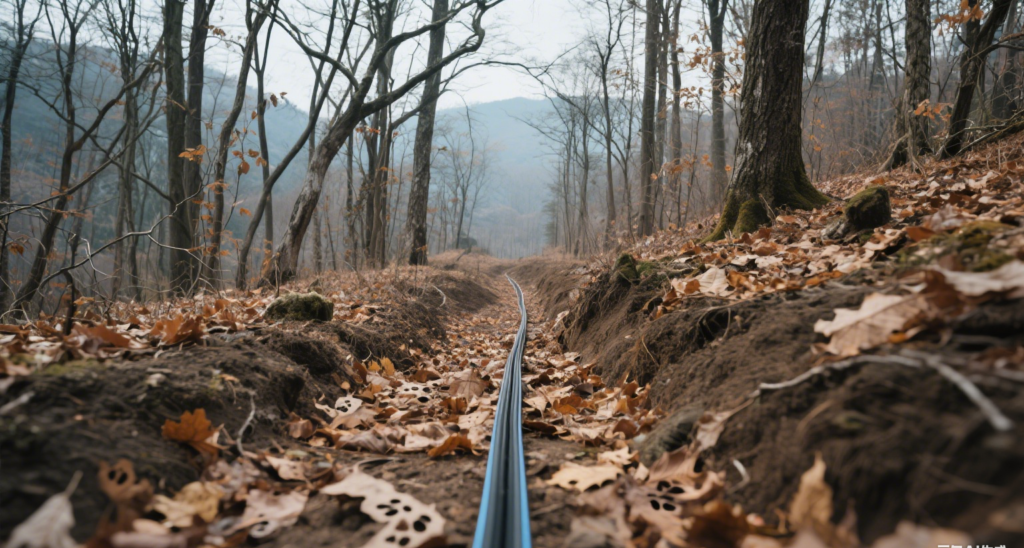
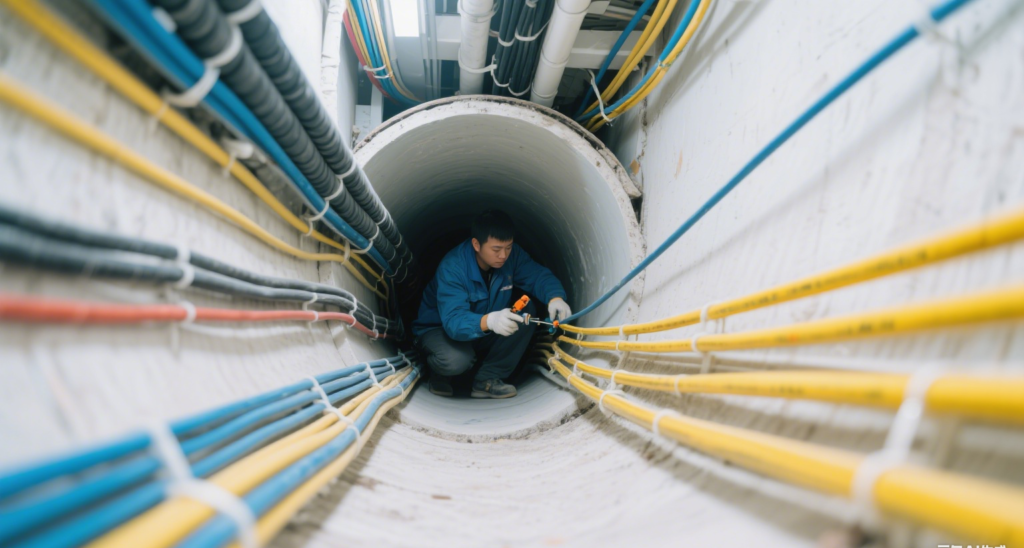
For underground installations, trenches need to be dug to lay the cables safely. Make sure the depth of the trench is adequate to prevent damage from external forces. A protective conduit may be needed in certain environments.
3. Handle Cables with Care
Fiber optic cables are delicate and can easily be damaged by excessive tension or sharp bends. During installation, make sure to follow the manufacturer’s specifications for handling the cables to avoid damaging them.
4. Protect the Cables
Use conduits or other protective materials to shield the cables from physical damage, particularly in areas with heavy foot traffic or potential construction zones.
For a more detailed installation guide, check out our dedicated blog on Fiber Optic Cable Installation.
Maintaining Your Outdoor Fiber Optic Cables
While fiber optic cables require minimal maintenance, it’s important to conduct regular inspections to ensure that they are functioning properly. Here are some tips for maintaining your outdoor fiber optic network:
1. Regular Inspections
Check the cables for any signs of damage, such as cuts, abrasions, or water infiltration. If you notice any issues, address them immediately to prevent signal loss.
2. Clean the Connectors
Dirt or debris on the fiber optic connectors can affect performance. Regularly clean the connectors using fiber optic cleaning tools to ensure optimal signal quality.
3. Test the System
Use fiber optic testing equipment to check the signal strength and overall performance of the network. This will help you detect any issues before they become significant problems.
4. Address Issues Promptly
If you detect any issues with signal quality, such as loss of data or slow speeds, address them immediately to avoid network downtime.
Check out our guide on maintaining outdoor fiber optic networks here.
Conclusion
Outdoor fiber optic cables are a vital part of modern network infrastructure, providing high-speed, reliable, and long-lasting communication solutions. Whether you’re setting up a new network or upgrading an existing one, choosing the right outdoor fiber optic cable is crucial to ensure that your network performs at its best.
By understanding the types of cables available, their benefits, and how to install and maintain them, you can make informed decisions that will improve the performance of your network. To learn more about our outdoor fiber optic solutions, explore our full range of products here.










![宏安集团 形象片 英文成片 20200103[00 00 27][20250527 181825111]](https://honelinks.com/wp-content/uploads/2025/06/宏安集团-形象片-英文成片-2020010300-00-2720250527-181825111-1024x576.jpg)



 English
  Español