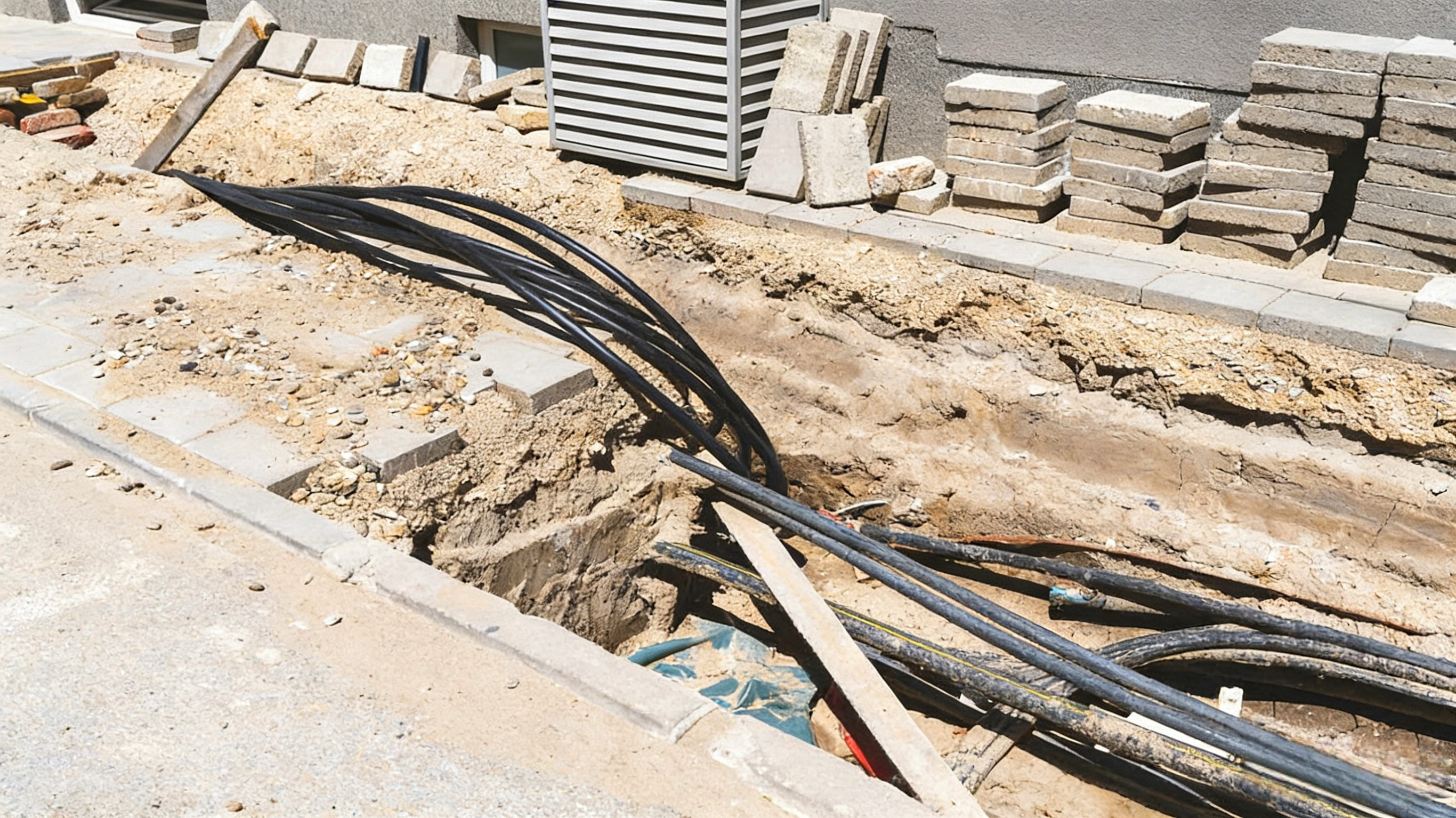
Underground fiber optic systems are designed for long-term reliability, but they are not immune to failure. Unlike aerial cables, underground fiber is exposed to hidden environmental stress, installation errors, and external damage that may not be immediately visible.
Because repairs require excavation and can be costly, understanding common failure causes is essential for network design, installation, and maintenance.
For a complete overview of underground fiber infrastructure and deployment practices, refer to underground fiber optic cable system design and installation standards which explains how different cable types and environments influence performance.
Why Underground Fiber Failures Occur
Underground fiber failures typically result from a combination of:
- mechanical stress
- environmental conditions
- improper installation
- external interference
Unlike visible aerial systems, underground issues often remain undetected until performance degradation occurs.
1. Mechanical Damage During Installation
One of the most common causes of failure is damage introduced during installation.
Causes Include:
- excessive pulling tension
- improper handling
- sharp bends
- poor trench design
Improper bending is a major factor. Engineers must follow minimum bend radius requirements for underground fiber optic cable installation to prevent microbending and long-term signal degradation.
2. Rodent Damage
Rodents are a major threat to underground fiber networks, especially in rural and agricultural areas.
Animals such as rats and gophers can chew through cable jackets, exposing fibers and causing breakage.
To reduce risk, many projects incorporate rodent protection solutions for underground fiber optic cable systems which may include armored cable designs and protective installation methods.
3. Moisture Ingress and Water Damage
Water ingress is a common issue in underground fiber systems.
Causes:
- damaged cable jackets
- poor sealing at joints
- substandard installation
Moisture can lead to:
- increased attenuation
- fiber degradation
- long-term reliability issues
High-quality cables with proper water-blocking materials are essential for underground environments.
4. Improper Burial Depth
Incorrect burial depth increases exposure to environmental risks.
Shallow cables are vulnerable to:
- construction damage
- temperature variation
- rodent activity
To minimize risk, installers follow recommended burial depth standards for underground fiber optic cable systems which provide guidelines based on soil conditions and installation type.
5. External Construction Damage
Underground fiber cables are often damaged by third-party construction activities.
Common scenarios include:
- road excavation
- utility installation
- landscaping work
These incidents are a leading cause of network outages in urban environments.
Proper route marking and documentation help reduce accidental damage.
6. Cable Aging and Material Degradation
Over time, cable materials may degrade due to environmental exposure.
Factors include:
- soil chemistry
- temperature cycles
- UV exposure (in partially exposed areas)
Material selection plays a key role in long-term durability. Engineers often evaluate LSZH vs PE jacket materials for underground fiber optic cable applications to choose the most suitable outer sheath for specific environments.
7. Poor Splicing and Connector Issues
Improper splicing can introduce signal loss and weak points in the network.
Common issues include:
- high splice loss
- contamination
- misalignment
Over time, these problems can worsen and affect network performance.
8. Bending and Microbending Losses
Excessive bending during installation or due to environmental pressure can cause signal loss.
Microbending often develops gradually and may not be immediately detected.
To prevent these issues, installers must follow underground fiber optic cable bending radius guidelines for trench and duct installations and ensure proper cable routing.
9. Poor Installation Method Selection
Choosing the wrong installation method can lead to long-term failures.
For example:
- direct burial without proper protection
- inadequate conduit systems
- poor trench design
Network planners often compare direct burial versus duct installation methods for underground fiber networks to determine the most reliable approach.
10. Lack of Post-Installation Testing
Skipping proper testing can leave hidden issues undetected.
Testing ensures that:
- installation meets specifications
- no hidden damage exists
- signal quality is acceptable
Technicians typically follow post installation testing procedures for underground fiber optic cable systems
to verify network performance before operation.
How to Prevent Underground Fiber Failures
Preventing failures requires a combination of proper design, installation, and maintenance.
Key Strategies
Use high-quality cable materials
Follow installation standards
Maintain proper burial depth
Implement rodent protection measures
Perform comprehensive testing
Role of Cable Structure in Failure Prevention
Cable design plays a major role in preventing failures.
Reinforced cables provide better protection against:
- mechanical stress
- rodent damage
- environmental conditions
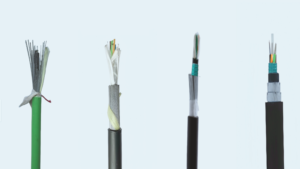
Many projects use steel tape armored fiber optic cable for underground infrastructure protection to improve durability in harsh environments.
Cost Impact of Fiber Failures
Underground fiber failures can be expensive due to:
- excavation costs
- service downtime
- labor expenses
- customer impact
When planning infrastructure, engineers consider total underground fiber optic cable installation cost and long-term maintenance factors to balance upfront investment with long-term reliability.
Conclusion
Underground fiber optic cable systems offer excellent protection and long-term reliability, but they are still vulnerable to various types of failure. Mechanical damage, environmental conditions, improper installation, and lack of testing are among the most common causes.
By understanding these risks and applying best practices in cable selection, installation, and maintenance, network operators can significantly reduce the likelihood of failure and ensure long-term performance.

 English
  Español