
GYTS Armored Fiber Optic Cable Price Guide (2025)
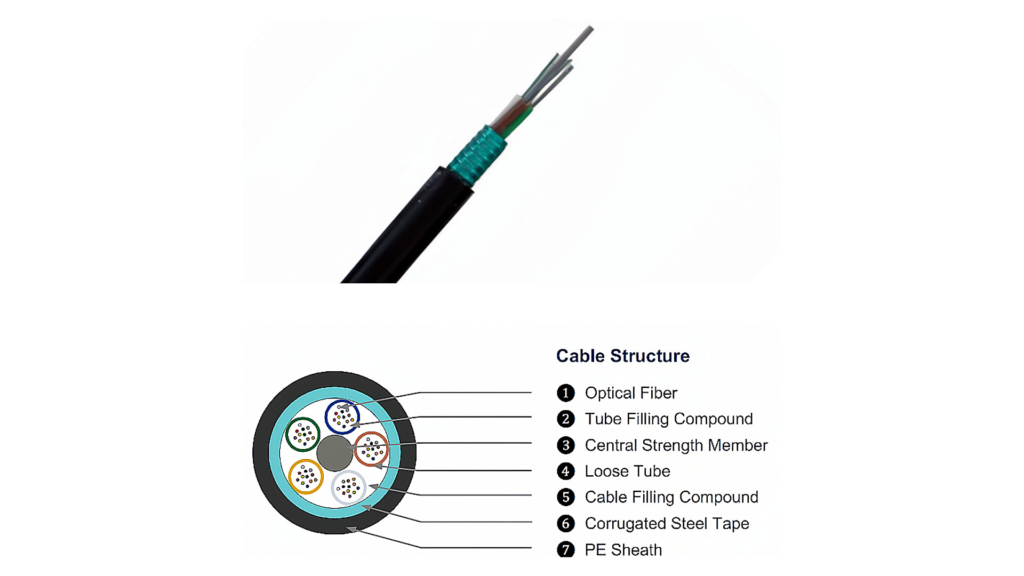
Introduction GYTS armored fiber optic cable is one of the most commonly used outdoor armored fiber cables in telecom and FTTx projects. Thanks to its corrugated steel tape (CST) armor and cost-efficient structure, it is widely selected for duct installations and light direct burial applications. When evaluating project budgets, buyers often ask:How much does GYTS […]
SWA vs GYTS Armored Fiber Optic Cable: Cost & Application Comparison
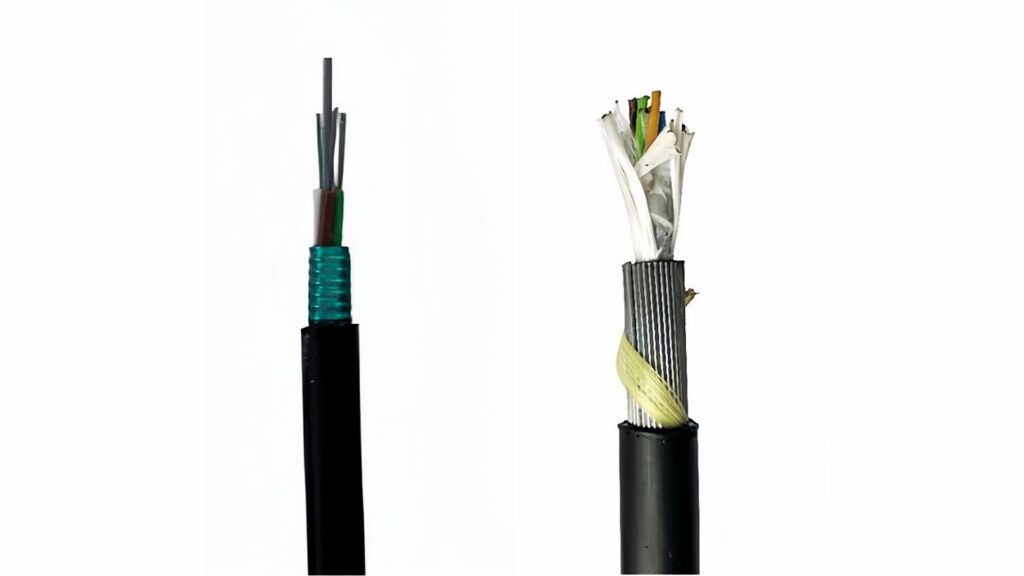
Introduction When selecting armored fiber optic cables for outdoor or industrial deployments, SWA (Steel Wire Armored) and GYTS (Corrugated Steel Tape Armored) are two structures that are frequently compared. Although both are designed to protect optical fibers from mechanical damage, they differ significantly in armor strength, installation method, and overall cost. Understanding these differences helps […]
Direct Burial Armored Fiber Optic Cable Cost Explained
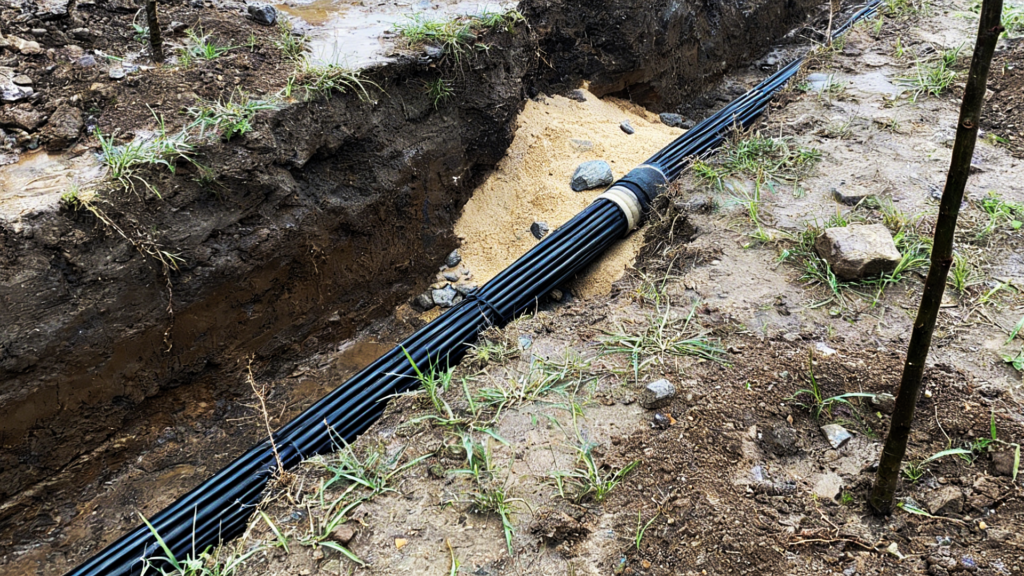
Introduction Direct burial armored fiber optic cable is widely used in outdoor installations where ducts or conduits are unavailable. Compared with standard duct cables, direct burial solutions require stronger mechanical protection and enhanced moisture resistance, which naturally raises the overall cost. Understanding what drives the cost of direct burial armored fiber optic cable helps project […]
Air Blown Fiber Cable for FTTH Networks
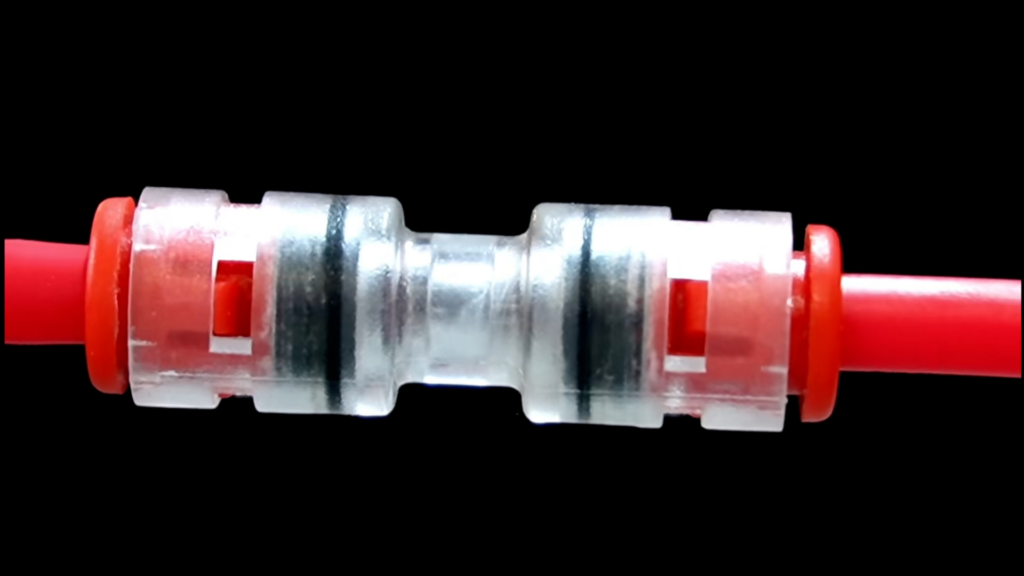
Introduction FTTH (Fiber to the Home) networks require a deployment method that is scalable, fast, and cost-efficient, especially in urban areas where demand grows gradually. Air blown fiber cable has become a preferred solution for FTTH operators due to its modular design and minimal installation disruption. This article explains how air blown fiber cable is […]
How To Choose The Right Air Blown Fiber Cable?
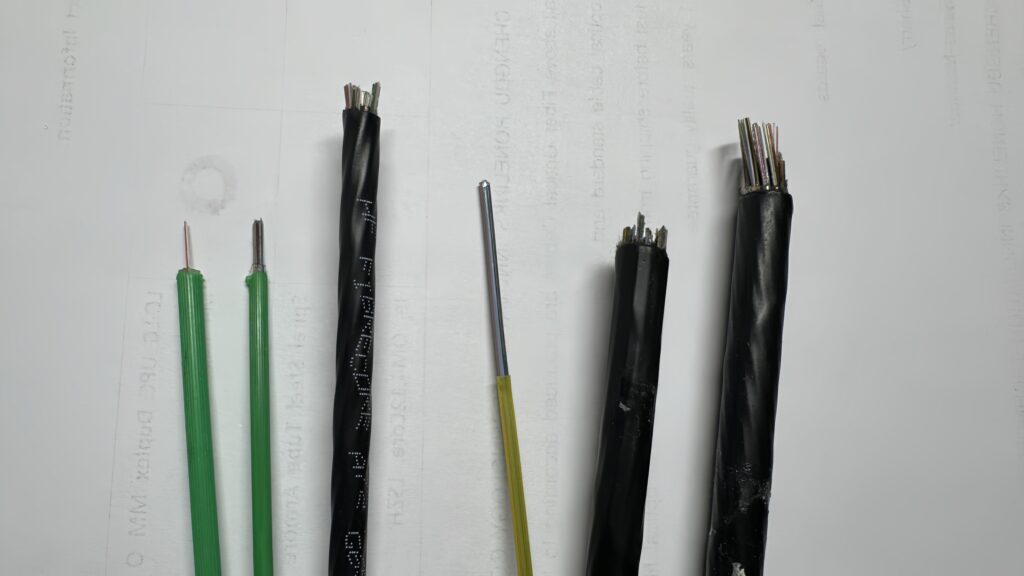
Introduction Choosing the right air blown fiber cable is critical for achieving stable installation, optimal performance, and long-term scalability. Unlike traditional pulled fiber, air blown systems require careful consideration of blowing distance, microduct size, and fiber demand. This guide explains how to select the most suitable air blown fiber cable for different network layers and […]
Air Blown Fiber vs Traditional Pulled Fiber Cable
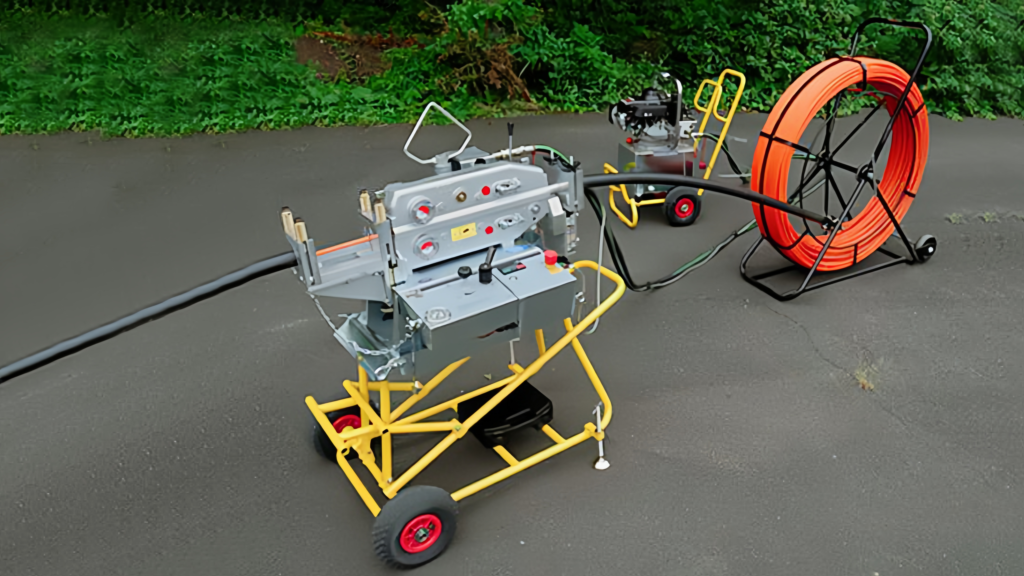
Introduction When planning a fiber optic network, one of the most common questions is whether to choose air blown fiber or traditional pulled fiber cable. While both technologies deliver high-speed optical transmission, their installation methods, cost structure, and scalability differ significantly. This article compares air blown fiber and pulled fiber cable to help network designers […]
Super Mini Uni-tube Air Blown Fiber Cable Explained
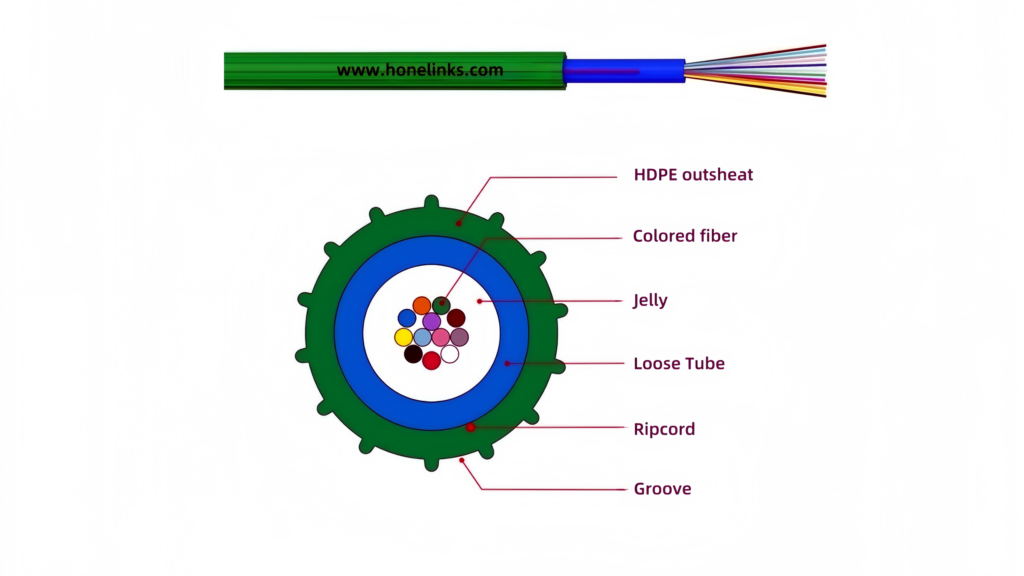
Introduction Super Mini Uni-tube Air Blown Fiber Cable is a compact air blown fiber solution designed for distribution-level networks, bridging the gap between EPFU access fibers and high-core-count backbone cables. It is widely used in in-building, floor distribution, and medium-distance access networks. As part of a complete air blown fiber cable systemthe super mini uni-tube […]
What Is EPFU Air Blown Fiber Cable?
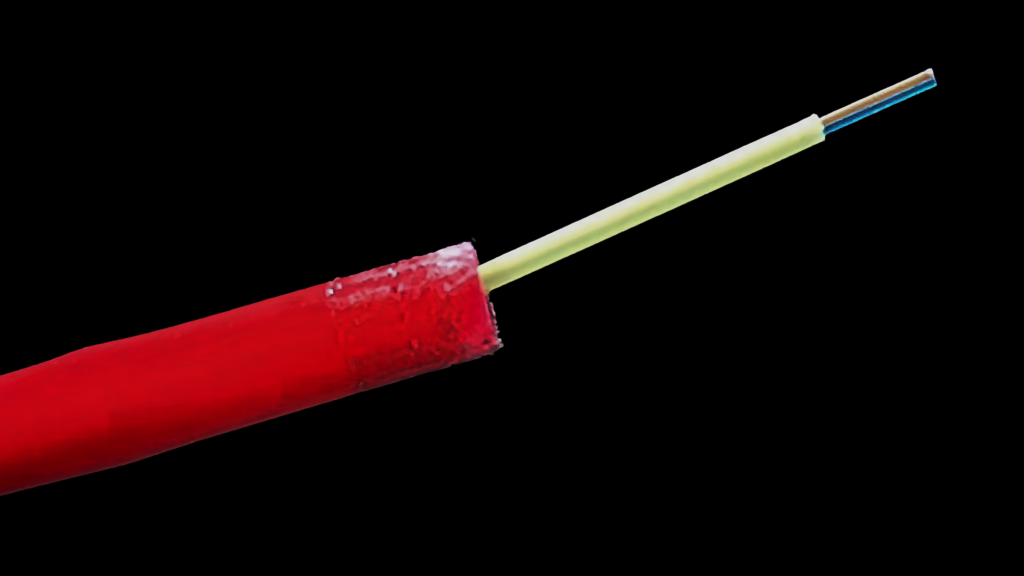
EPFU air blown fiber cable is a lightweight microduct fiber solution for FTTH and access networks. Learn its structure, applications, and benefits.
AT Jacket vs PE Jacket ADSS Cable Price: Which One better?
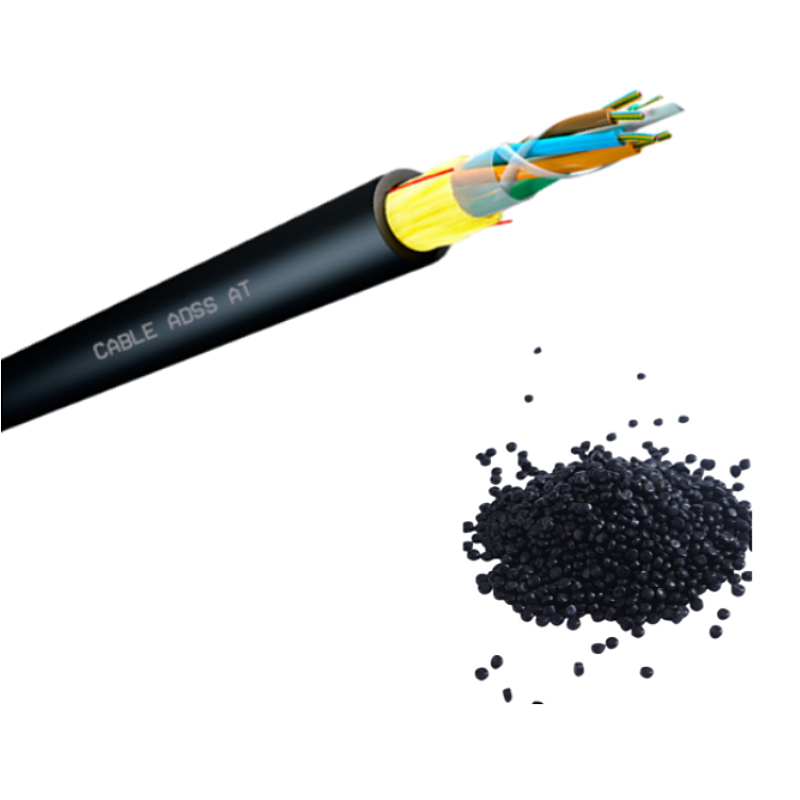
Compare AT jacket vs PE jacket ADSS cable price, performance, and application. Learn which jacket type is suitable for high-voltage and standard aerial fiber projects.
How Gel-Filled Fiber Optic Cables Protect Your Network in Moisture-Rich Environments
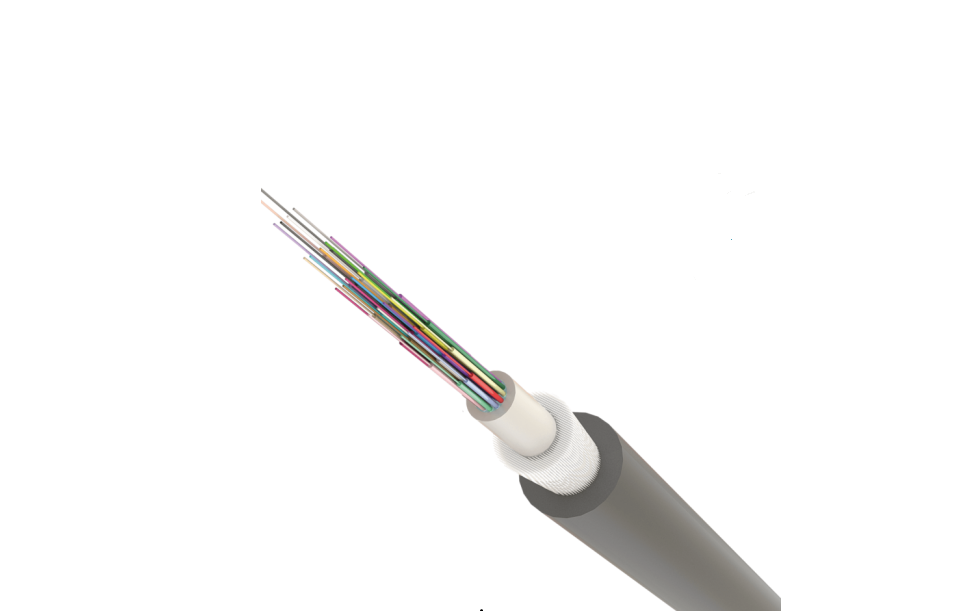
What Are Gel-Filled Fiber Optic Cables? Gel-filled fiber optic cables are a type of fiber optic cable designed for environments where moisture and water are a concern. These cables feature a special gel-like substance that fills the interstitial spaces between the fibers, providing a protective barrier against water infiltration. This gel not only prevents moisture […]