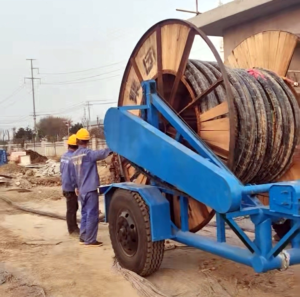
Why Is Proper Installation Crucial for Outdoor Fiber Optic Cables?
The installation of outdoor fiber optic cables is a critical step in ensuring the long-term performance and reliability of your network. Poor installation practices can result in signal loss, fiber damage, and downtime, all of which can lead to costly repairs and replacements.
Outdoor fiber optic cables are exposed to a variety of environmental challenges such as moisture, temperature fluctuations, and physical damage. Proper installation ensures that the cables can withstand these challenges and continue to operate efficiently. In this section, we will discuss why proper installation is crucial and the potential consequences of subpar installation.
1. Prevention of Signal Loss
Improper installation can lead to excessive bending or tight splicing, both of which can result in signal attenuation. Fiber optic cables are sensitive to the way they are bent or twisted, and improper handling can lead to data loss or reduced transmission speeds. Ensuring that cables are installed with the proper curvature and routing minimizes the risk of signal degradation.
2. Protection from Physical Damage
Outdoor fiber optic cables are susceptible to damage from construction work, animal activity, and severe weather conditions. Proper installation techniques, such as using protective conduit or armored cables, help safeguard the fiber from physical stress and external threats.
What Are the Key Best Practices for Installing Outdoor Fiber Optic Cables?
Proper installation of outdoor fiber optic cables requires careful planning, the right tools, and adherence to specific guidelines. Below are key best practices to follow during installation:
1. Choose the Right Type of Cable
The first step in ensuring a successful installation is selecting the right type of fiber optic cable for the environment. Armored cables are ideal for areas with high mechanical stress, while gel-filled cables are better for moisture-prone environments. For long-distance aerial installations, ADSS or loose tube cables are preferred.
2. Prepare the Installation Site
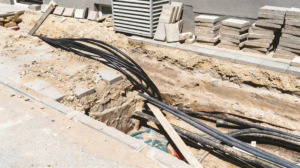
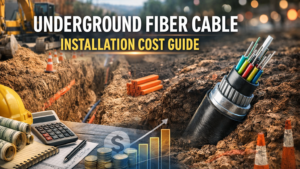
Before installation begins, it’s important to properly prepare the site. This includes digging trenches for underground installations, ensuring that the area is clear of debris, and protecting the cable route from potential hazards. For aerial installations, make sure that the poles or support structures are in place and ready for the cable.
Learn more about the different types of outdoor fiber optic cables.
3. Handling the Cables Carefully
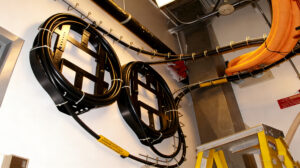
When handling fiber optic cables, it’s essential to avoid bending the cables too tightly, as this can damage the internal fibers. Follow the manufacturer’s guidelines on bending radius and ensure that the cable is uncoiled gently and laid out smoothly.
How to Maintain Outdoor Fiber Optic Cables?
Once your outdoor fiber optic cables are installed, it’s important to maintain them to ensure their long-term reliability and performance. Proper maintenance helps prevent damage, reduces downtime, and extends the life of the cables. Here are key maintenance practices for outdoor fiber optic cables:
1. Regular Inspections
Perform routine inspections to check for signs of wear and tear. Look for exposed cables, damaged jackets, or kinks in the cable that could indicate potential issues. Inspect areas where cables may be exposed to physical stress, such as at splice points, junctions, and connection boxes.
2. Prevent Moisture Infiltration
In outdoor environments, moisture can infiltrate cables, causing degradation and loss of performance. Ensure that the cable jackets are intact and that there is no water ingress. For cables installed in wet environments, use gel-filled cables or water-blocking fibers to prevent moisture from reaching the fiber.
3. Keep the Cables Clean
Outdoor cables can accumulate dirt, debris, and even chemicals over time. Use a cleaning tool designed for fiber optic cables to wipe down the jackets and connectors. Make sure that the fibers themselves remain free of dust or contaminants, as this can affect signal transmission.
Discover more about fiber optic cable maintenance practices in our detailed guide.
Conclusion
Installing and maintaining outdoor fiber optic cables requires careful planning and adherence to industry best practices. By following proper installation techniques and conducting regular maintenance, you can ensure that your network operates smoothly, with minimal downtime and signal loss. Proper handling and protection of cables are crucial to ensuring their long-term performance, especially in challenging outdoor environments.
Find out more about the installation and maintenance of outdoor fiber optic cables.



 English
  Español