What is ADSS Fiber Optic Cable?
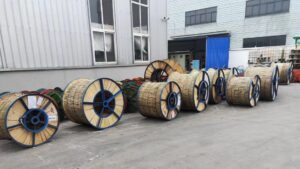
ADSS (All-Dielectric Self-Supporting) fiber optic cables are designed for overhead applications, offering the ideal solution for long-distance communication in environments with no metallic infrastructure. These cables are unique because they are self-supporting, meaning they don’t require any metal supports or messenger wires, making them lightweight and efficient. They are highly resistant to environmental conditions like UV radiation, rain, and wind, making them perfect for rural broadband, citywide networks, and telecommunications.
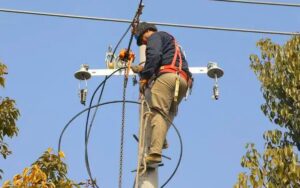
ADSS cables are primarily used in aerial installations where traditional metallic cables may be too heavy or vulnerable to environmental stress. The ability to install these cables without additional support infrastructure makes them an attractive option for many outdoor fiber optic projects.
Why Choose ADSS Fiber Optic Cables for Overhead Installations?
1. No Need for Metallic Supports
One of the most significant advantages of ADSS cables is that they don’t require metallic supports, making them easier to install in areas that are difficult to reach. This feature reduces the need for costly infrastructure and maintenance, while also reducing the overall installation time.
2. High Durability and UV Resistance
ADSS fiber optic cables are built to withstand harsh environmental factors. They are coated with a UV-resistant jacket that protects the cables from the sun’s harmful rays. This ensures that the cables maintain their integrity even after years of exposure to direct sunlight.
3. Low Maintenance and Longevity
Once installed, ADSS cables require minimal maintenance. They are designed to last for several decades, with a lifespan of up to 30 years in some cases. Their self-supporting design reduces the risk of wear and tear from environmental exposure, which means fewer maintenance calls for repairs and replacements.
4. High-Speed Data Transmission
Since ADSS fiber optic cables support high-speed data transmission, they are ideal for broadband applications. These cables can deliver lightning-fast internet, voice, and video services, making them suitable for residential, commercial, and industrial setups.
Applications of ADSS Fiber Optic Cables
ADSS fiber optic cables are versatile and can be used in a variety of applications:
- Rural Broadband Networks: ADSS cables are perfect for providing broadband to remote areas, where traditional copper cables might not be feasible.
- Telecommunications Networks: ADSS fiber optic cables are widely used in city-wide telecommunications infrastructure to connect different nodes and improve overall network performance.
- Overhead Power Line Installations: These cables can be installed on power lines for long-distance data transmission, making them ideal for overhead communication systems.
Learn more about the different types of outdoor fiber optic cables, including ADSS, in our guide.
Conclusion
ADSS fiber optic cables offer many advantages for overhead installations, including lightweight design, durability, UV resistance, and high-speed data transmission. These features make them perfect for broadband networks, telecommunications systems, and other long-distance communication applications. If you are considering installing fiber optics for an aerial network, ADSS fiber optic cables are the best choice for efficiency, cost-effectiveness, and performance.