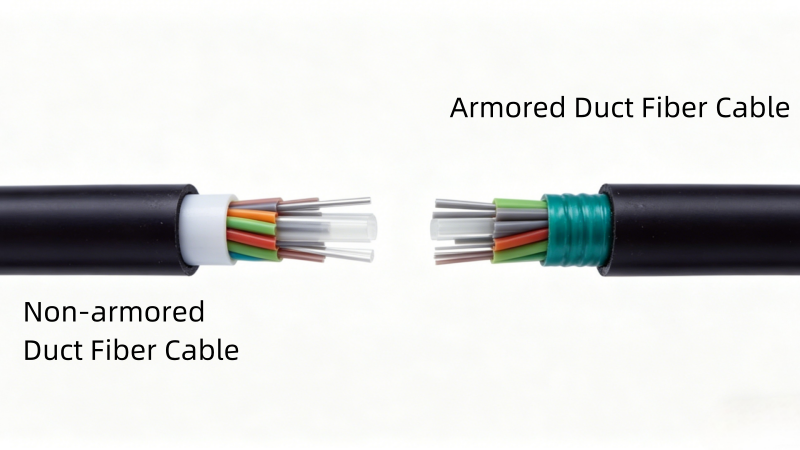
Respuesta rápida
Los cables de fibra óptica blindados proporcionan protección mecánica adicional y son ideales para entornos hostiles, mientras que los cables no blindados son más ligeros, más flexibles y más adecuados para instalaciones controladas como conductos o uso en interiores.
Introducción
Si está planificando una red de fibra óptica, una de las preguntas más comunes es si elegir un cable blindado o no blindado. En la superficie, la diferencia parece simple, pero en proyectos reales, la decisión puede impactar el costo de instalación, el rendimiento y la confiabilidad a largo plazo.
La elección correcta depende de dónde y cómo se instalará el cable. En algunos casos, necesita la máxima protección. En otros, la flexibilidad y la rentabilidad son más importantes.
Esta guía desglosa las diferencias reales entre los cables de fibra óptica blindados y los no blindados para que puedas elegir la opción adecuada para tu proyecto.
¿Qué es el cable de fibra óptica blindado?
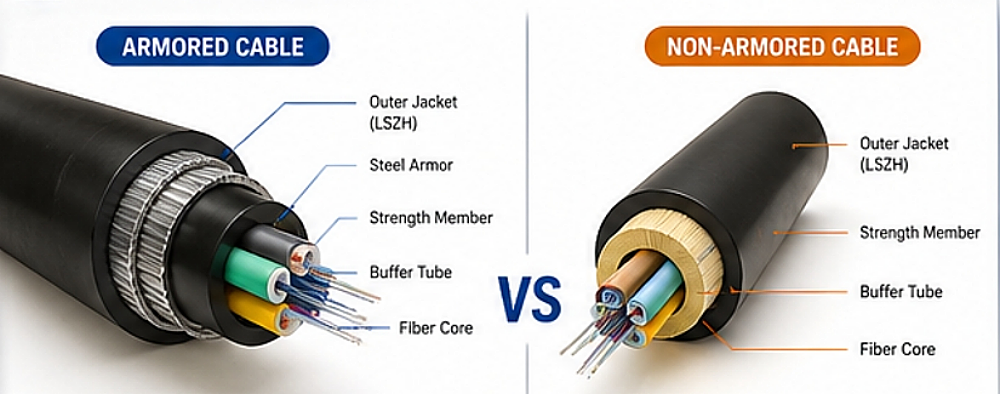
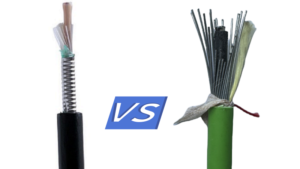
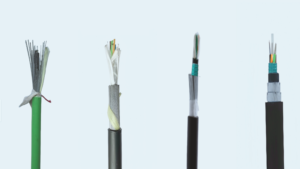
Un cable de fibra óptica blindado incluye una capa protectora adicional, generalmente de acero o aluminio, que protege la fibra de daños externos.
Características principales
- Fuerte resistencia a aplastamiento e impacto
- Protección contra roedores
- Adecuado para entornos exteriores hostiles
Aplicaciones típicas
- Entierro directo
- Zonas industriales
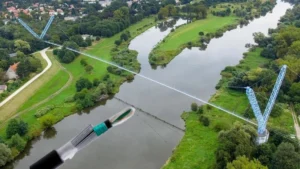
- Redes troncales de larga distancia
¿Qué es el cable de fibra óptica sin blindaje?
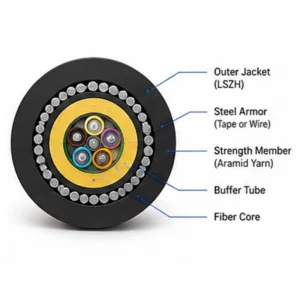
A cable de fibra óptica sin blindaje no incluye una capa de armadura metálica. En su lugar, se basa en su cubierta exterior y su estructura interna para la protección.
📌 Características clave
- Ligero y flexible
- Más fácil de instalar
- Más rentable
📌 Aplicaciones Típicas
- Instalaciones interiores
- Sistemas de conductos
- Ambientes controlados
Diferencias clave entre cables de fibra óptica blindados y no blindados
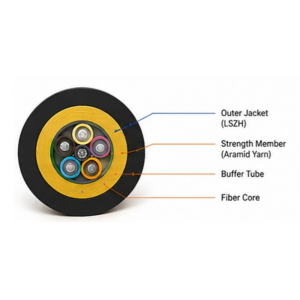
Aquí tienes una comparación clara para ayudarte a entender las diferencias rápidamente:
| Característica | Cable blindado | Cable no blindado |
| Nivel de protección | Alta | Medio |
| Peso | Más pesado | Ligero |
| Flexibilidad | Baja | Más alto |
| Coste | Más alto | Baja |
| Instalación | Más complejo | Más fácil |
| Mejor Uso | Entornos hostiles | Ambientes controlados |
¿Cuándo se debe usar cable blindado?
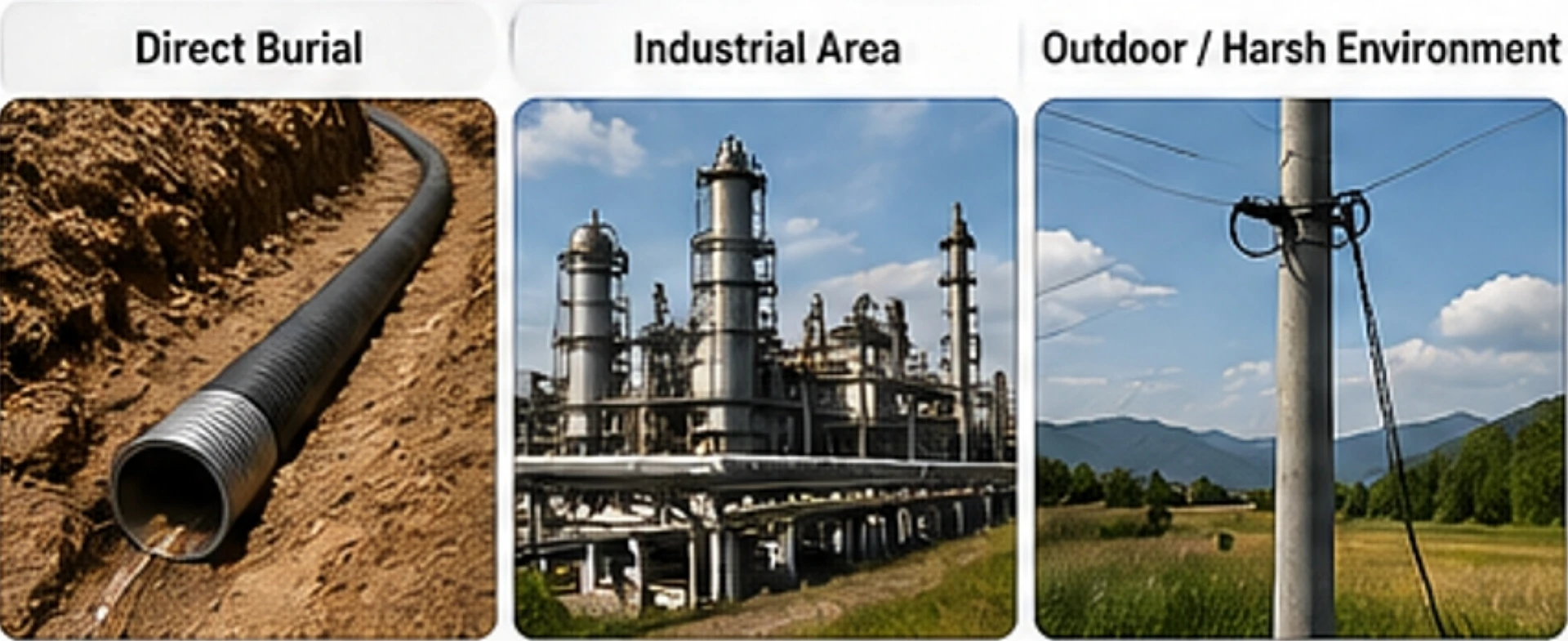
Los cables blindados son la mejor opción cuando su entorno de instalación incluye:
- Alto estrés mecánico
- Riesgo de daños por roedores
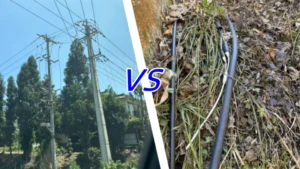
- Entierro directo o rutas expuestas
- Zonas industriales o de construcción
En estos escenarios, la protección adicional ayuda a prevenir daños costosos y tiempos de inactividad.
¿Cuándo se debe usar cable no blindado?
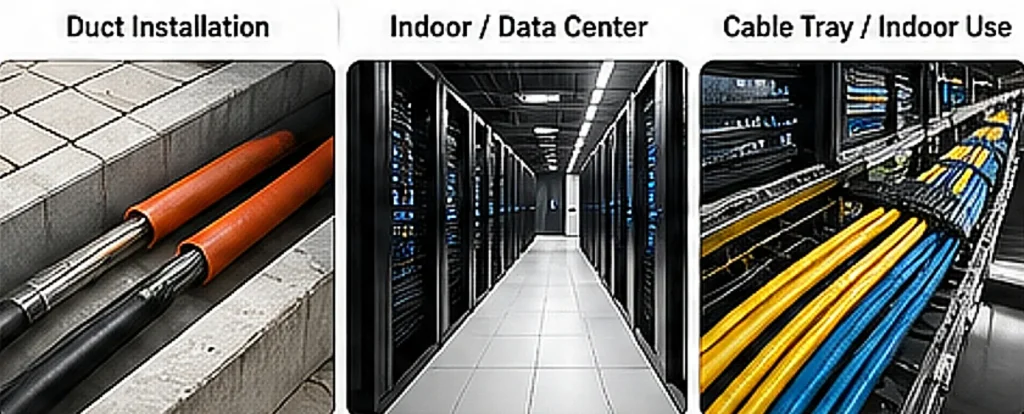
Los cables no blindados son ideales cuando:
- El cable está instalado dentro de conductos
- El entorno es estable y controlado
- La eficiencia de costos es una prioridad
- La instalación requiere flexibilidad
Por ejemplo, en muchos proyectos que usan cable de fibra óptica para conducto, los diseños sin blindaje se utilizan comúnmente porque el conducto ya proporciona protección suficiente.
Consideraciones de instalación
Tu método de instalación también juega un papel importante en la elección del cable correcto.
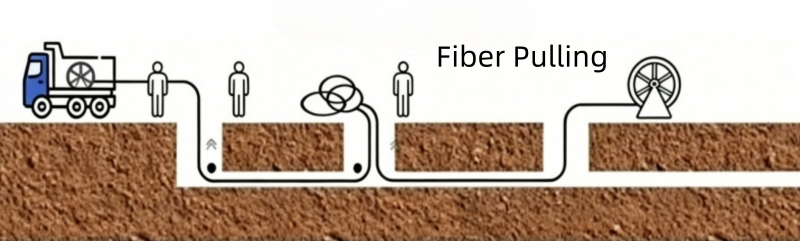
✔ Método de extracción
- Funciona tanto con cables blindados como no blindados
- Requiere atención a los límites de tensión
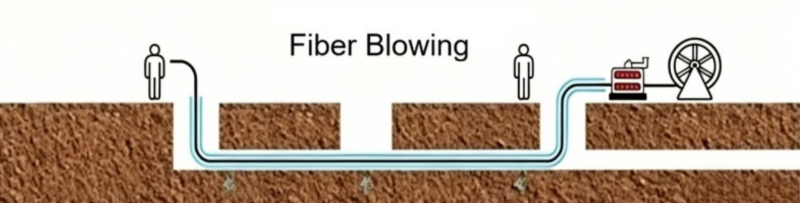
✔ Método de soplado de aire
- Más adecuado para cables ligeros y sin blindaje
- Ideal para sistemas de microductos
- Reduce el estrés en el cable
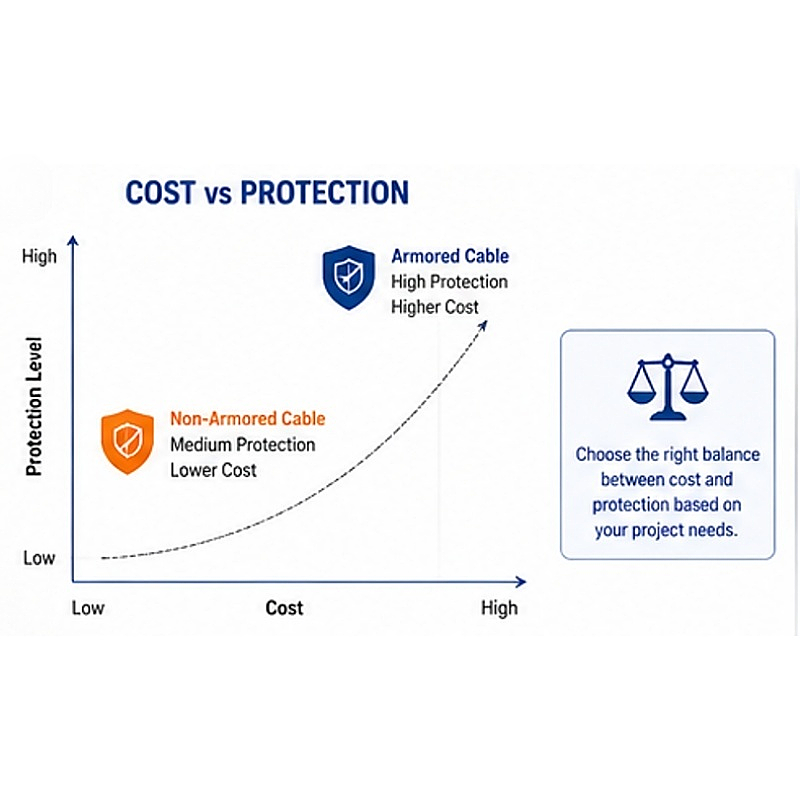
Costo vs. Protección: Encontrando el Equilibrio Correcto
Una de las mayores ventajas/desventajas entre los cables blindados y no blindados es el costo versus la protección.
- Los cables blindados cuestan más, pero reducen el riesgo.
- Los cables sin blindaje ahorran dinero pero dependen de la protección externa
La clave es adaptar el tipo de cable a tu entorno real, sin sobre- o subespecificar.
Errores comunes a evitar
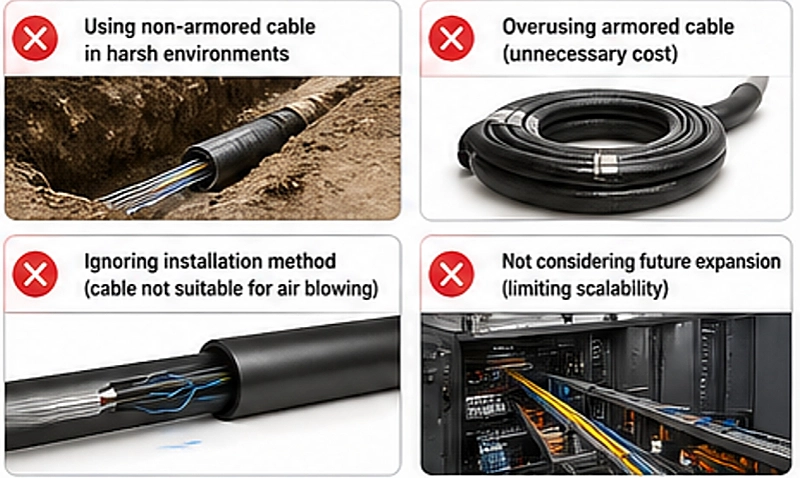
Usando cable no blindado en entornos hostiles
Esto puede provocar daños y fallos en la red
Uso excesivo de cable blindado
Costo innecesario y dificultad de instalación
Ignorando el método de instalación
Algunos cables no son adecuados para el soplado por aire.
Sin considerar la expansión futura
Elegir el cable incorrecto puede limitar la escalabilidad
Mejor Práctica: Cómo Elegir
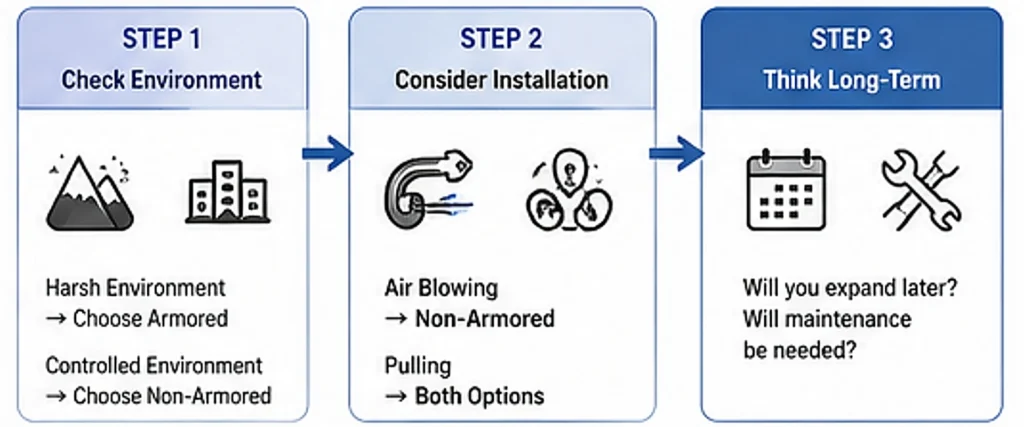
Aquí tienes una forma sencilla de decidir:
Paso 1: Comprobar entorno
acorazado
Controlado → no blindado
Paso 2: Considere la instalación
Aire soplando → no blindado
Tirar → ambas opciones
Paso 3: Piensa a largo plazo
¿Se expandirá más tarde?
¿Se necesitará mantenimiento?
Conclusión
No hay una respuesta única para elegir entre cables de fibra óptica blindados y no blindados. La mejor opción depende de tu entorno, método de instalación y requisitos del proyecto.
Si su proyecto implica condiciones adversas o exposición directa, los cables blindados brindan la protección que necesita. Si está trabajando en un entorno controlado como conductos, los cables no blindados suelen ser la opción más eficiente y rentable.
Preguntas frecuentes rápidas
La principal diferencia entre el cable de fibra óptica blindado y el no blindado radica en la protección adicional que ofrece el blindaje contra daños físicos y ambientales.
Los cables blindados incluyen una capa metálica protectora para alta durabilidad, mientras que los cables no blindados son más ligeros y están diseñados para entornos controlados.
¿El cable de fibra óptica blindado es siempre mejor?
No, el cable blindado solo es mejor en entornos hostiles. En instalaciones en conductos o interiores, los cables no blindados suelen ser más prácticos.
¿Se puede usar cable no blindado en exteriores?
Sí, pero solo si está instalado dentro de conductos protectores o ambientes controlados.
¿Qué cable es más fácil de instalar?
Los cables sin blindaje son más fáciles de instalar debido a su menor peso y flexibilidad.
¿Se puede usar cable blindado en conductos?
Sí, pero puede ser innecesario si el conducto ya proporciona suficiente protección.



 English
  Español