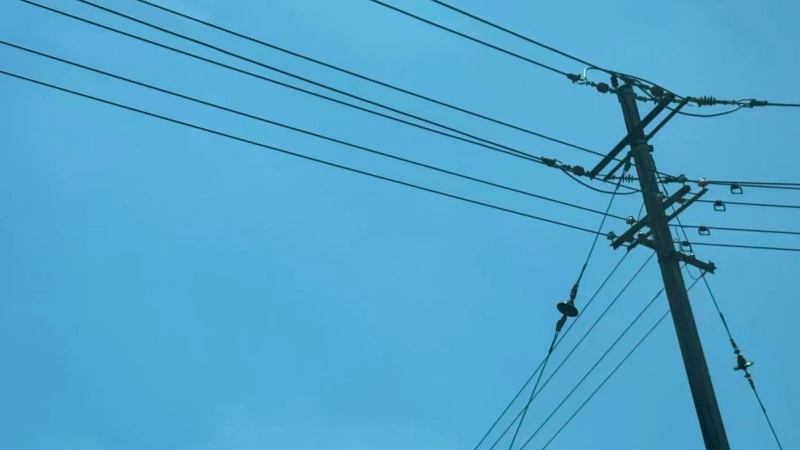
Aerial fiber optic cable is one of the most common solutions for outdoor fiber network deployment because it allows fiber installation above ground using poles or towers.
Compared with underground installation, aerial deployment is usually:
- Faster
- Lower cost
- Easier to maintain
- More suitable for long-distance outdoor routes
It is widely used in:
- Telecom networks
- Utility communication systems
- Rural broadband projects
- Highway communication systems
- Industrial outdoor infrastructure
If you are planning outdoor fiber deployment, understanding what is aerial fiber optic cable helps determine which overhead cable solution is best for your project.
What Is Aerial Fiber Optic Cable?
Aerial fiber optic cable is an overhead optical cable installed on poles or towers instead of underground ducts or trenches.
It is designed for outdoor environments and typically uses:
- Suspension hardware
- Messenger wire support
- Self-supporting structures
- Weather-resistant cable jackets
Aerial fiber cable is commonly used because it reduces civil construction cost and simplifies network expansion.
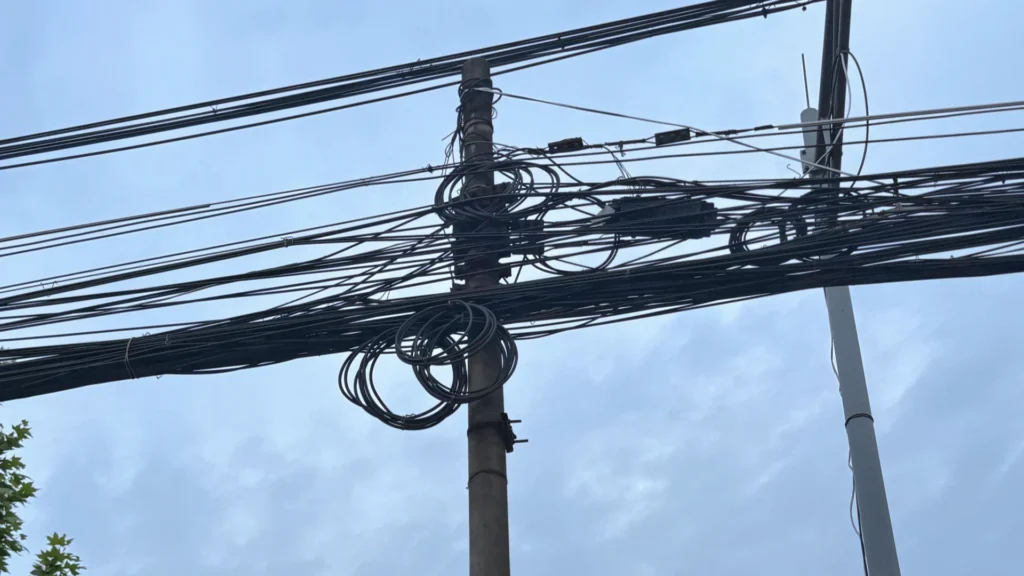
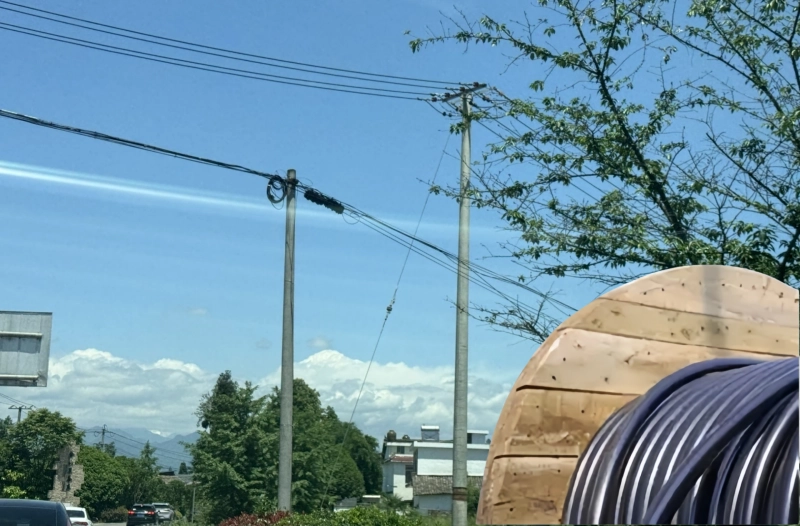
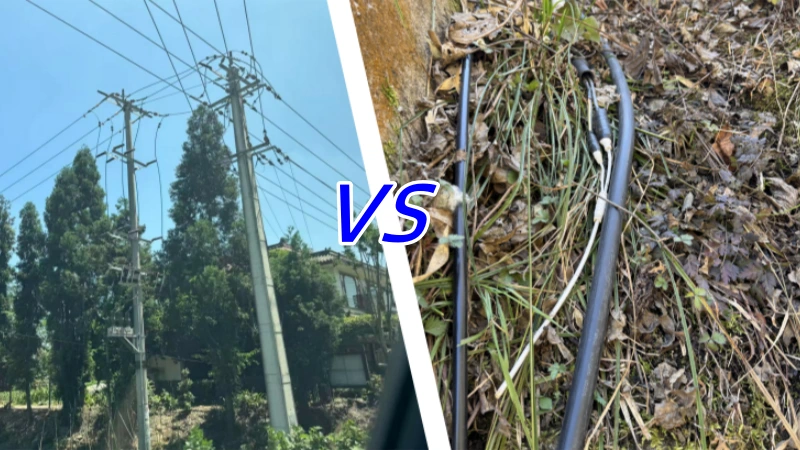
Aerial Fiber Cable Meaning
The term aerial fiber cable refers to any optical fiber cable installed above ground using poles, towers, or other elevated support structures.
Many engineers searching for aerial cable meaning are typically comparing aerial deployment with underground or duct fiber installation.
Unlike underground fiber systems, aerial cable installation does not require trenching or buried conduit systems.
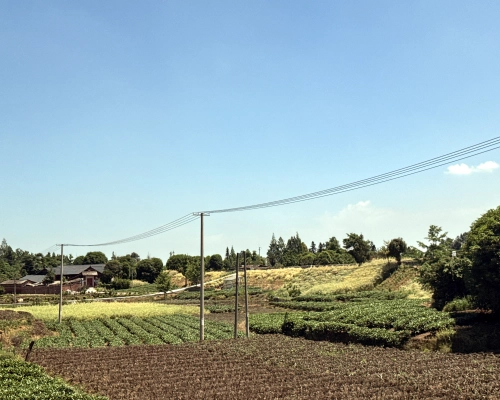
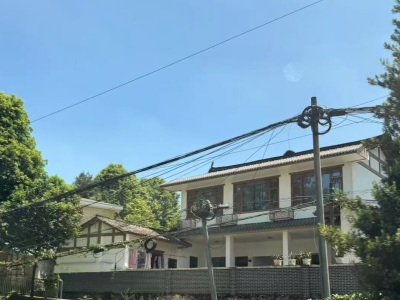
📌 [IMAGE SUGGESTION]
Recommended visuals:
- Pole line network
- Aerial cable route
- Outdoor communication infrastructure
How Aerial Fiber Optic Cable Works
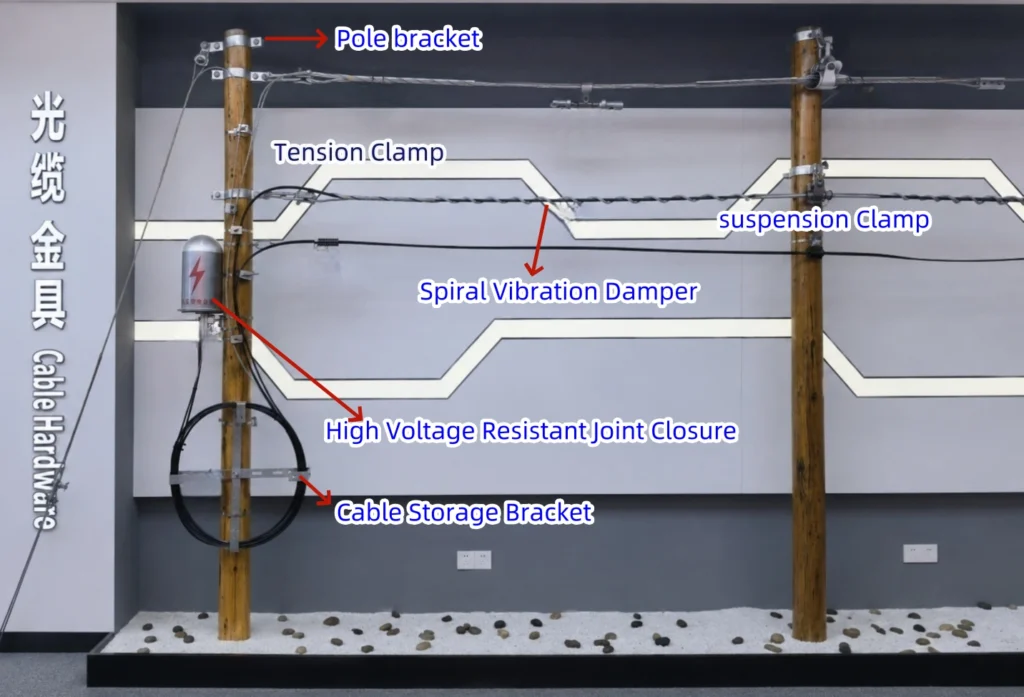
Aerial fiber optic cable works by transmitting optical signals through fiber cores while being mechanically supported above ground by poles, messenger wires, or self-supporting structures.
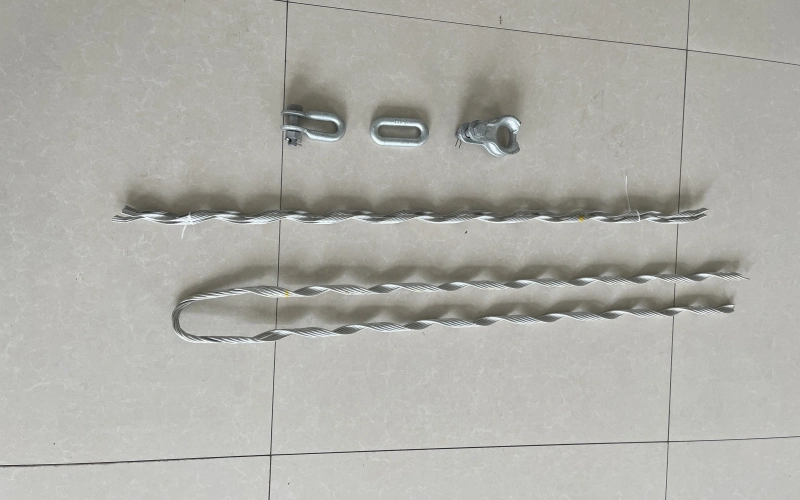
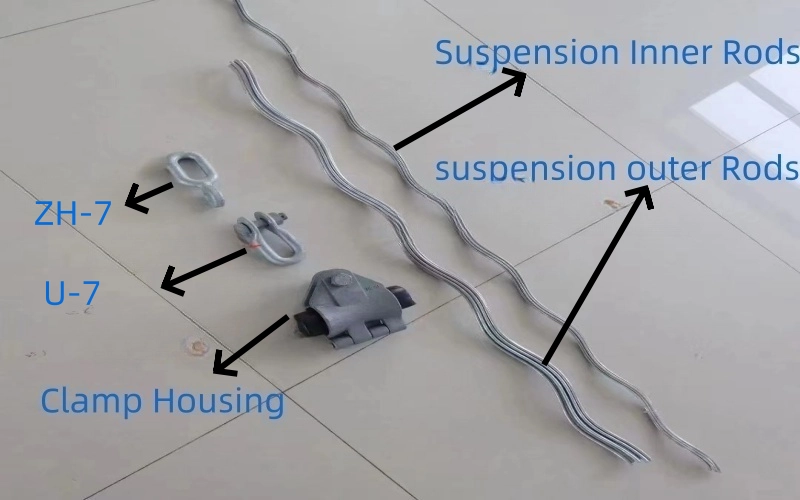
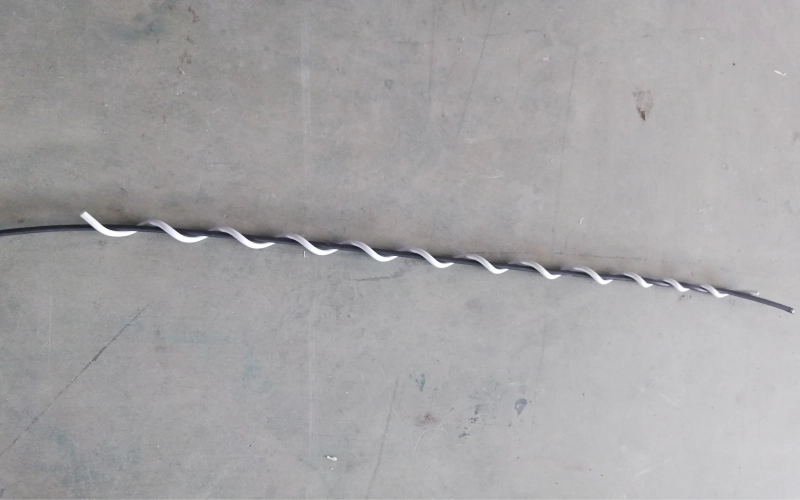
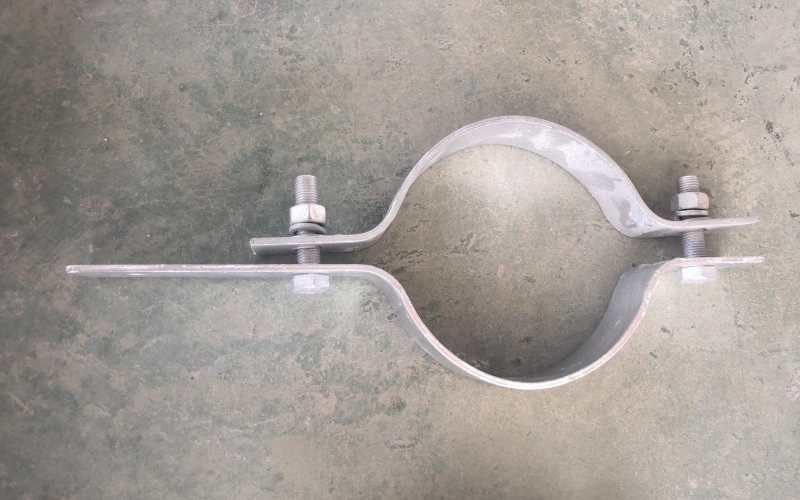
The cable is usually secured using:
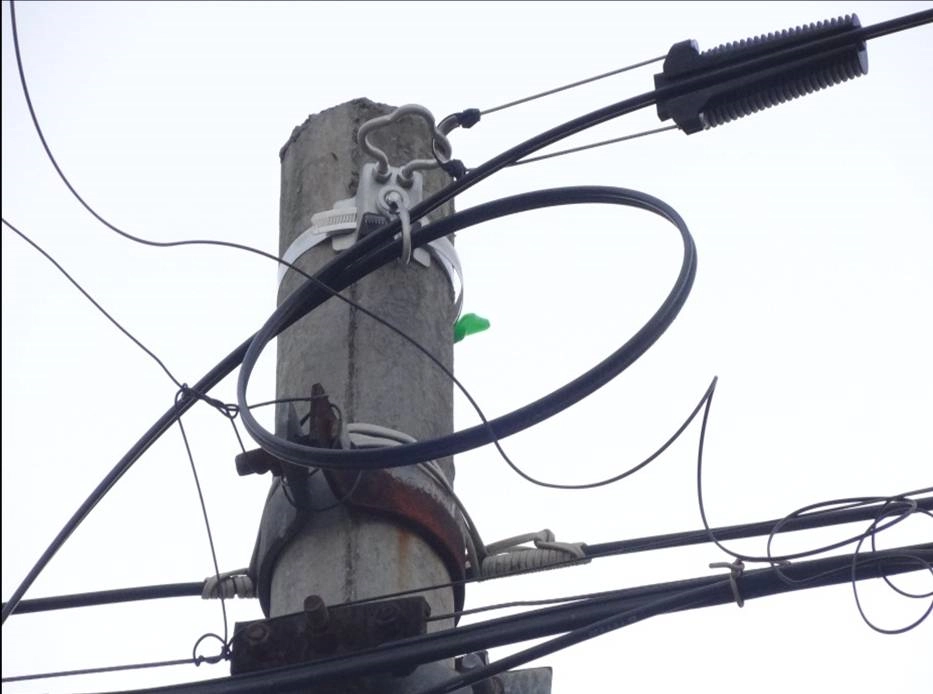
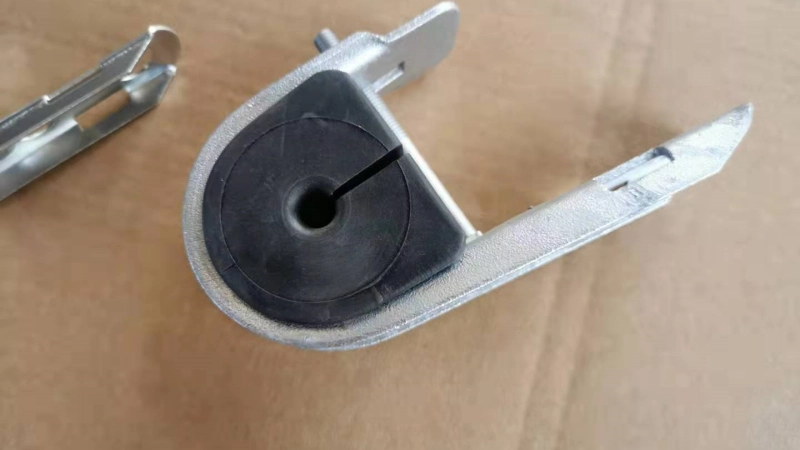
- Suspension clamps
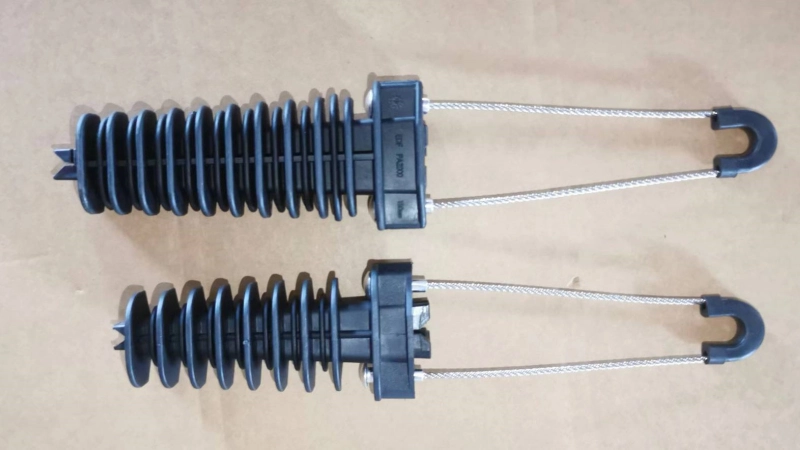
- Dead-end tension clamps
- Pole brackets
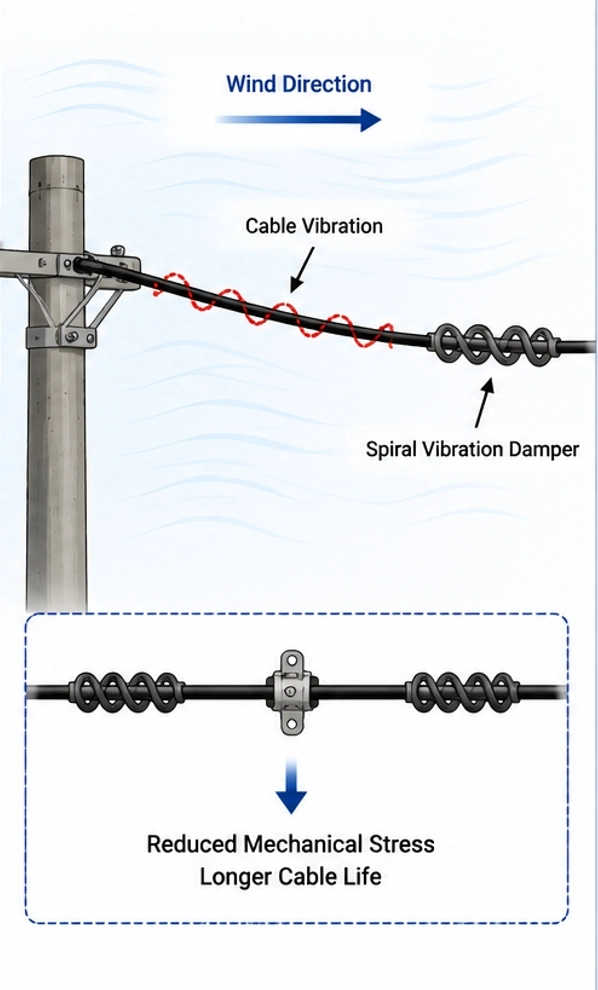
- Vibration dampers
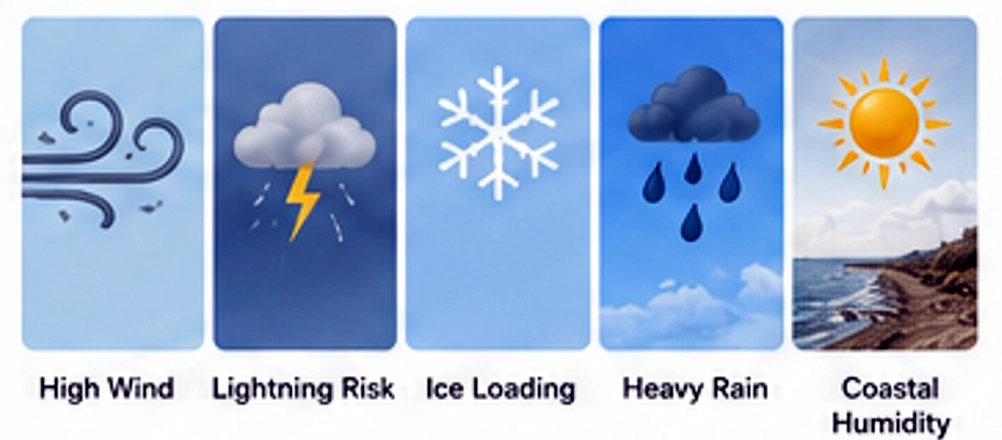
Outdoor aerial cable must also resist:
- Wind
- UV exposure
- Rain
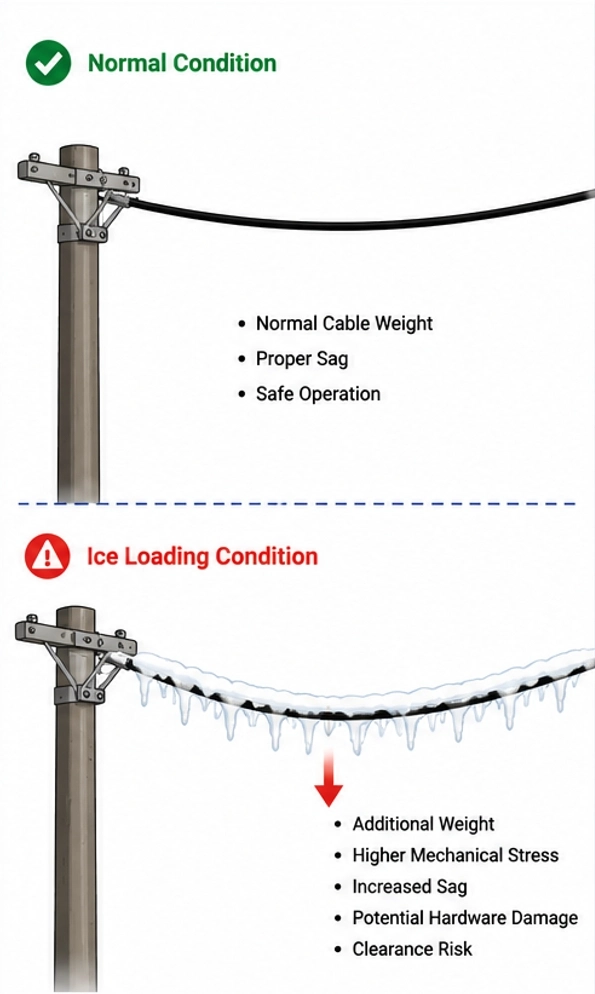
- Ice loading
- Temperature changes
Main Types of Aerial Fiber Optic Cable
Several aerial cable designs are used depending on installation environment and span requirements.
ADSS Cable
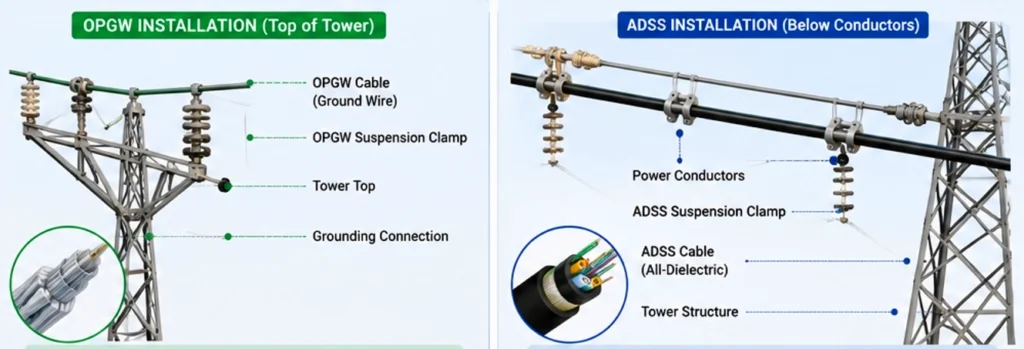
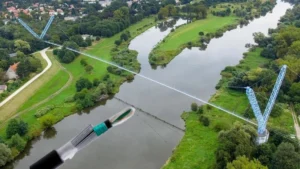
ADSS (All-Dielectric Self-Supporting) cable is a non-metallic aerial fiber cable designed for installation near power lines and long-span outdoor routes.
Because ADSS cable contains no conductive metal components, it performs well in high electromagnetic interference environments.
Many utility networks use ADSS fiber optic cable for overhead power line installation because it offers:
- Electrical safety
- Long-span capability
- Lightweight structure
- Good weather resistance
📌 [IMAGE SUGGESTION]
Use:
- ADSS cable near transmission lines
- Suspension clamp installation
- Long-span deployment
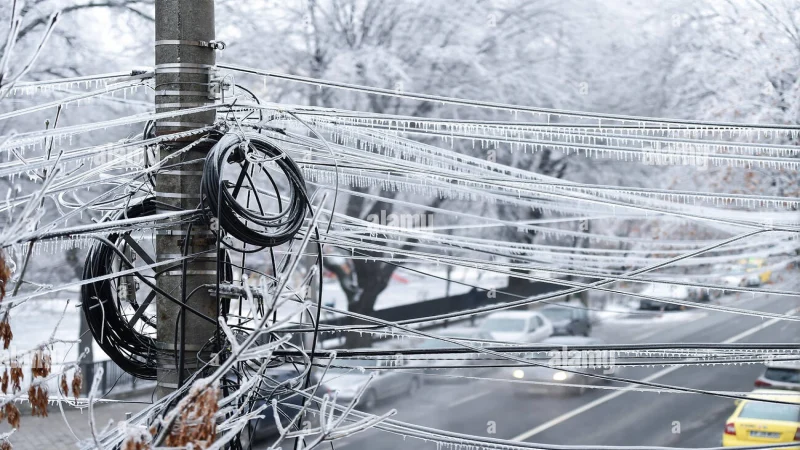
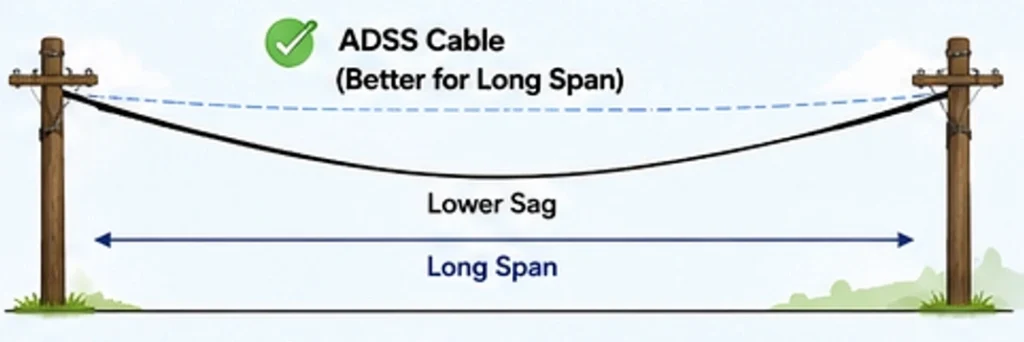
Figure-8 Fiber Optic Cable
Figure-8 fiber optic cable uses an integrated messenger wire to support the cable during aerial installation.
It is commonly used in:
- Telecom pole networks
- Access networks
- Urban deployment
- Medium-span installation
Many operators choose figure-8 aerial fiber optic cable with messenger wire because it is easier and faster to install.
📌 [IMAGE SUGGESTION]
Recommended visuals:
- Figure-8 cable structure
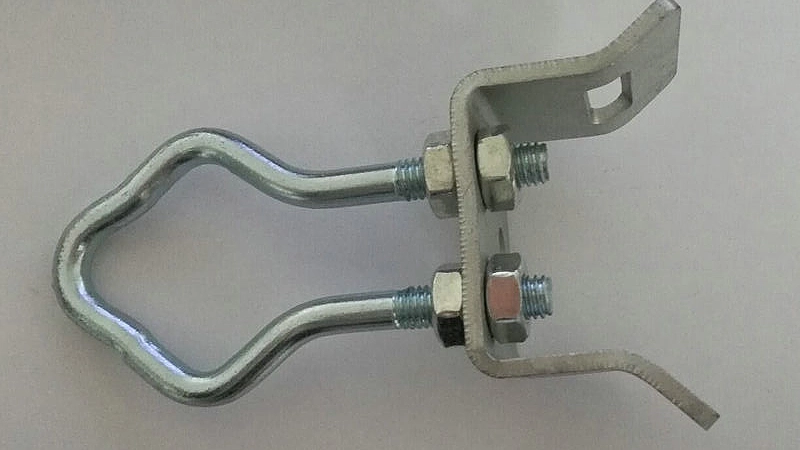
- Messenger wire suspension hook
- Telecom pole deployment
OPGW Cable
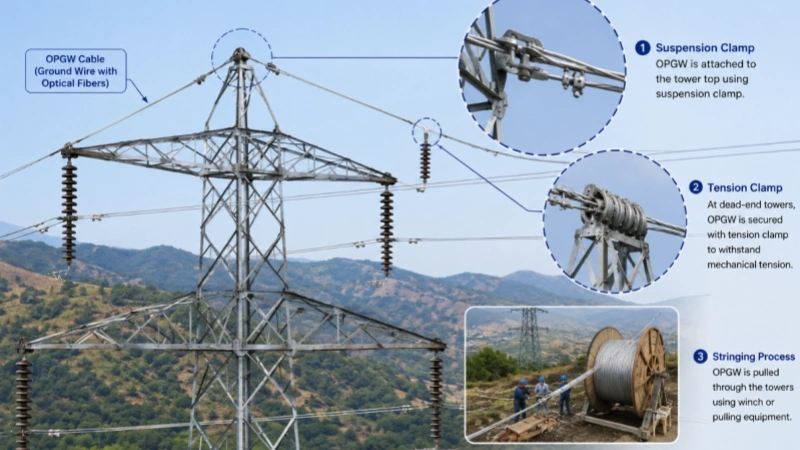
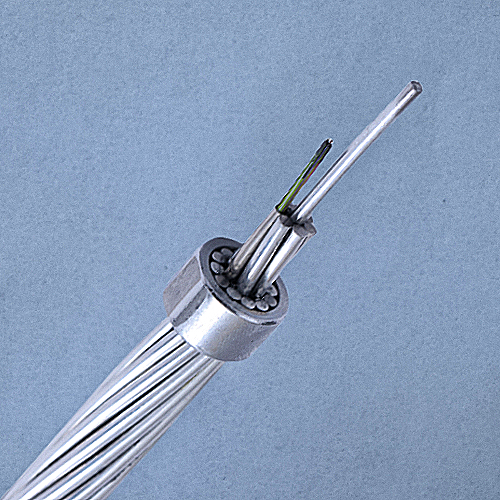
OPGW (Optical Ground Wire) cable combines grounding and optical communication functions in high-voltage transmission systems.
Unlike ADSS cable, OPGW is installed on the top of transmission towers as part of the electrical grounding system.
📌 [IMAGE SUGGESTION]
Use:
- OPGW tower-top installation
- Transmission tower comparison
- Utility communication architecture
Advantages of Aerial Fiber Optic Cable
Aerial fiber optic cable is widely used because it provides faster deployment and lower installation cost compared with underground fiber systems.
Main Advantages
| Advantage | Benefit |
| Faster deployment | Reduced construction time |
| Lower civil cost | Less trenching required |
| Easier maintenance | Faults easier to locate |
| Flexible expansion | Easier network upgrades |
| Long-distance coverage | Suitable for rural areas |
Many installers comparing deployment methods search for overhead fiber cable explained when evaluating aerial versus underground infrastructure.
Common Applications of Aerial Fiber Cable
Aerial fiber optic cable is commonly used in telecom, utility, industrial, and rural broadband communication networks.
Typical Applications
- Telecom backbone networks
- Utility communication systems
- Rural broadband deployment
- Smart grid communication
- Highway communication systems
- Campus and industrial networks
How Aerial Fiber Cable Is Installed
Aerial fiber cable installation typically involves route surveying, pole inspection, hardware preparation, cable pulling, tension adjustment, and sag control.
Common installation hardware includes:
- Suspension clamps
- Dead-end clamps
- Pole brackets
- Vibration dampers
Understanding aerial fiber cable installation helps reduce future maintenance problems and improve network reliability.
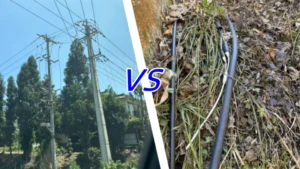
Aerial vs Underground Fiber Optic Cable
Aerial fiber cable is installed above ground on poles or towers, while underground fiber cable is buried in ducts or trenches.
Main Differences
| Feature | Aerial Fiber | Underground Fiber |
| Installation Cost | Lower | Higher |
| Deployment Speed | Faster | Slower |
| Maintenance | Easier | More difficult |
| Weather Exposure | Higher | Lower |
| Physical Protection | Lower | Higher |
Many network planners comparing infrastructure options search for aerial vs underground fiber cable before selecting deployment methods.
Common Problems With Aerial Fiber Cable
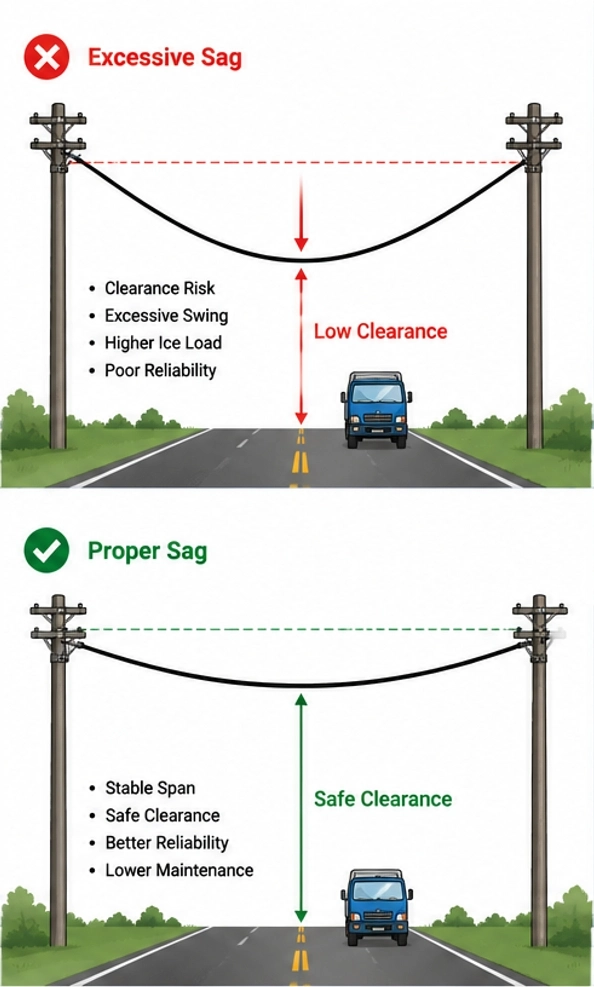
Common aerial fiber problems include excessive sag, wind vibration, weather damage, and improper installation hardware.
Frequent Issues
- Incorrect sag adjustment
- Wind-induced vibration
- UV aging
- Ice loading
- Pole clearance problems
Proper cable design and installation can significantly reduce these risks.
FAQ About Aerial Fiber Optic Cable
What is aerial fiber optic cable used for?
Aerial fiber optic cable is used for above-ground optical communication networks in telecom, utility, broadband, and industrial applications.
What is the difference between aerial and underground fiber cable?
Aerial fiber cable is installed on poles or towers above ground, while underground fiber cable is buried in ducts or trenches.
Is aerial fiber optic cable cheaper than underground fiber?
Yes. Aerial fiber installation is usually less expensive because it avoids trenching and underground civil construction.
What types of aerial fiber cable are commonly used?
Common aerial fiber cable types include ADSS cable, Figure-8 cable, and OPGW cable.
Can aerial fiber cable be installed near power lines?
Yes. ADSS cable is specifically designed for installation near power lines because it is fully dielectric and non-metallic.
How long does aerial fiber cable last outdoors?
Properly installed aerial fiber cable can typically operate for 20–30 years depending on environment and cable quality.
Conclusion
Aerial fiber optic cable remains one of the most practical and cost-effective solutions for outdoor communication infrastructure.
It is widely used because it offers:
- Faster deployment
- Lower installation cost
- Easier maintenance
- Flexible network expansion
Whether using ADSS cable, Figure-8 cable, or OPGW systems, selecting the right aerial cable design is critical for long-term outdoor network performance.



 English
  Español