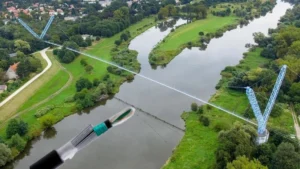
Aerial fiber optic cable installation may look simple from the ground, but poor installation can quickly lead to cable sag, sheath damage, signal instability, or even complete network failure.
Many installation problems are caused by:
- Incorrect tension calculation
- Poor hardware selection
- Improper pole spacing
- Inadequate vibration protection
- Unsafe clearance near power lines
Whether you are installing ADSS cable, Figure-8 cable, or other overhead fiber systems, understanding proper installation procedures is critical for long-term reliability.
Before planning installation, it helps to understand what is aerial fiber optic cable and how different aerial cable types are deployed in telecom and utility networks.
How to Install Aerial Fiber Optic Cable
Aerial fiber optic cable is typically installed by planning the route, checking pole spacing, preparing hardware, pulling the cable under controlled tension, securing clamps, and verifying sag and clearance.
Basic Installation Steps
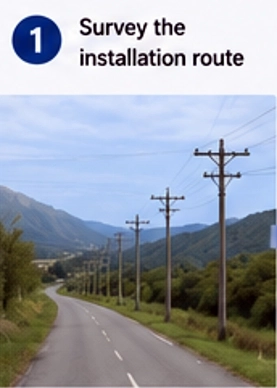
- Survey the installation route
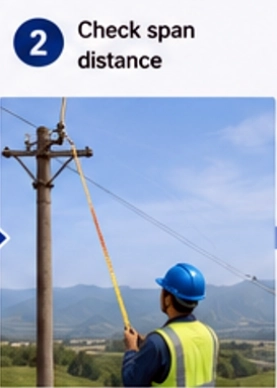
- Check span distance
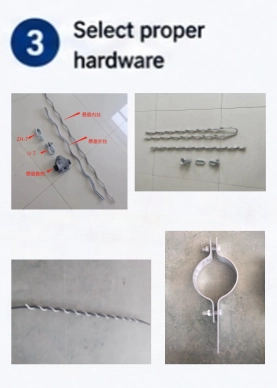
- Select proper hardware
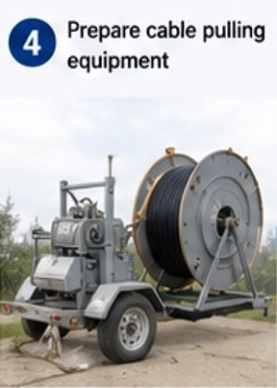
- Prepare cable pulling equipment
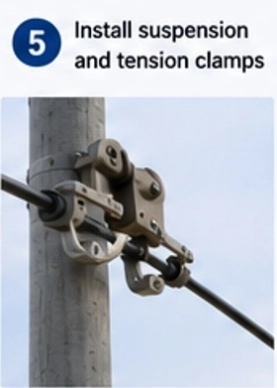
- Install suspension and tension clamps
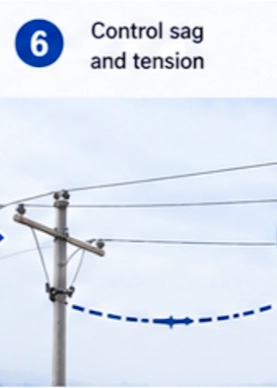
- Control sag and tension
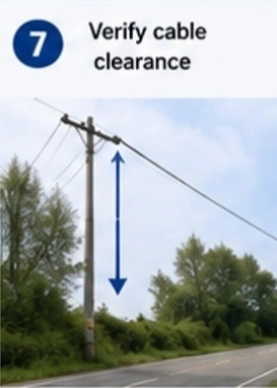
- Verify cable clearance
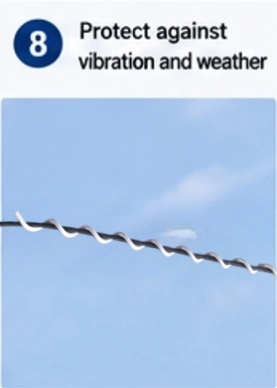
- Protect against vibration and weather
What Is Aerial Fiber Optic Cable Installation?
Aerial fiber optic cable installation is the process of deploying optical cable above ground on poles or towers using suspension and tension hardware.
It is commonly used in:
- Telecom pole networks
- Utility communication systems
- Rural broadband deployment
- Highway communication routes
- Industrial outdoor networks
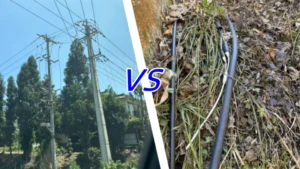
Compared with underground deployment, aerial installation is usually faster and lower cost.
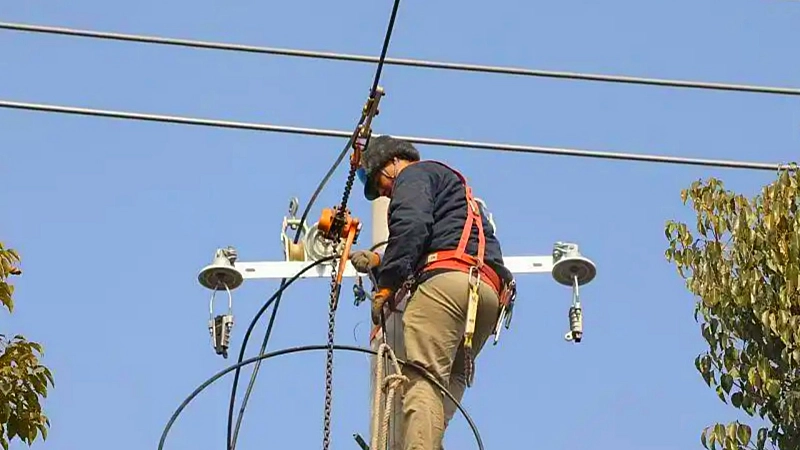
Step 1: Survey the Installation Route
The first step in aerial fiber installation is surveying the route to identify span length, pole condition, environmental risks, and clearance requirements.
Important Survey Factors
| Inspection Item | Why It Matters |
|---|---|
| Pole spacing | Affects sag and tension |
| Pole strength | Supports cable load |
| Terrain condition | Influences span design |
| Nearby power lines | Determines safety clearance |
| Wind exposure | Impacts vibration control |
Many contractors performing pole line fiber installation begin by evaluating existing infrastructure before selecting cable type and hardware.
Step 2: Choose the Right Aerial Cable
Different aerial cable types require different installation methods and hardware.
Common Aerial Cable Types
| Cable Type | Typical Installation |
|---|---|
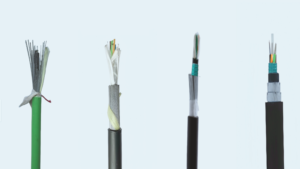
| ADSS Cable | Self-supporting installation |
| Figure-8 Cable | Messenger wire suspension |
| OPGW Cable | Transmission tower grounding position |
Understanding how to choose aerial fiber cable helps installers select the correct cable for span length, environment, and infrastructure.
ADSS Cable Installation
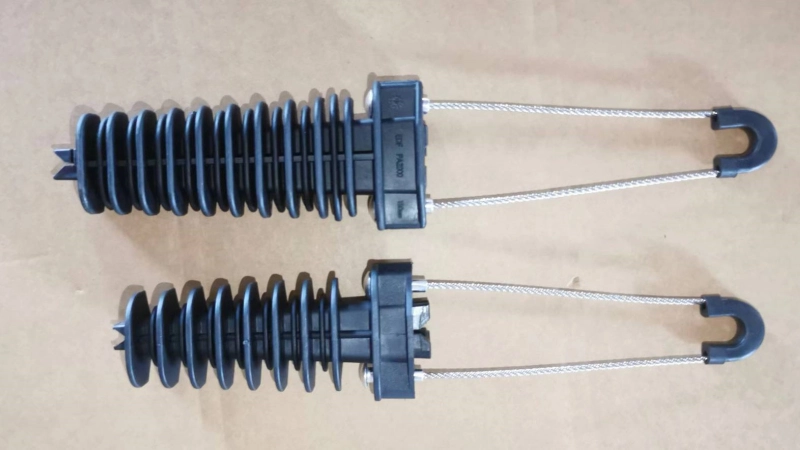
ADSS cable is installed using suspension clamps and dead-end tension clamps without metallic messenger wire support.
ADSS installation is commonly used in:
- Power utility systems
- Long-span routes
- Mountainous environments
- High EMI areas
Typical ADSS Hardware
- Suspension clamp
- Dead-end clamp
- Spiral vibration damper
- Armor rods
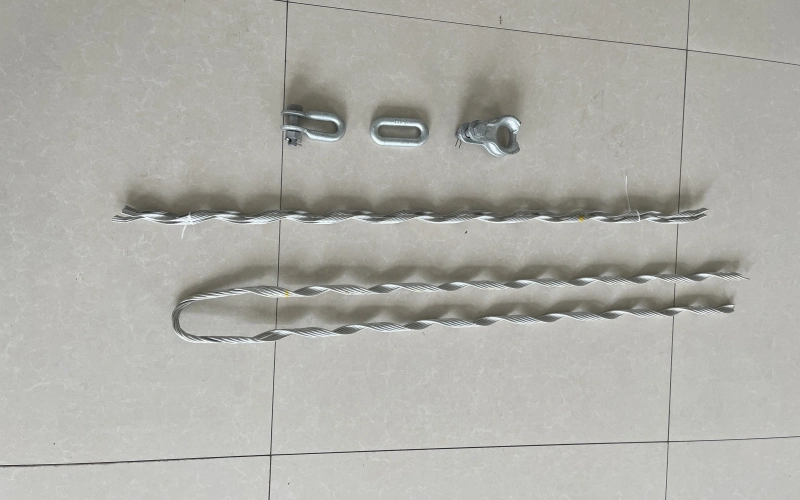
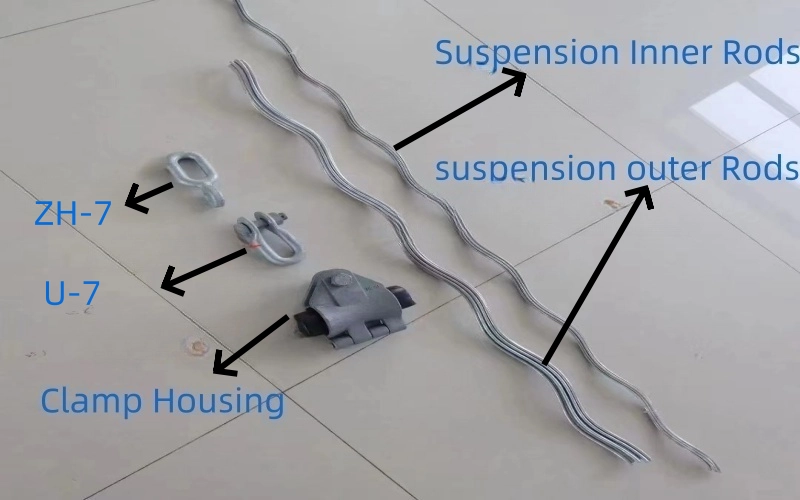
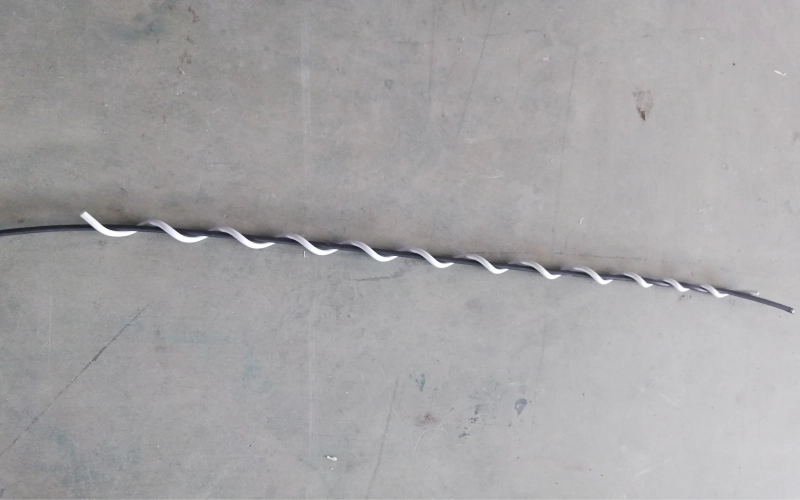
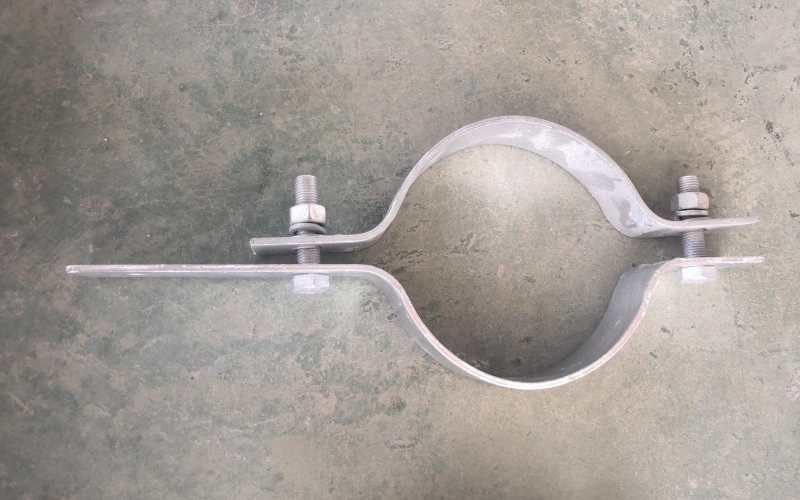
Figure-8 Cable Installation
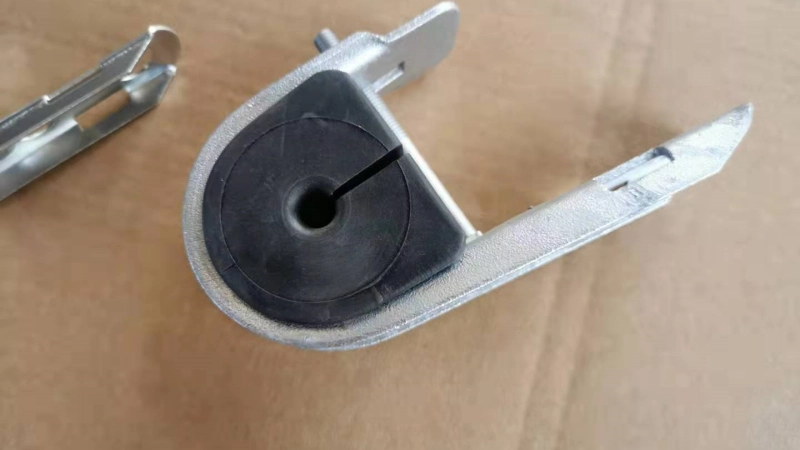
Figure-8 cable installation uses messenger wire suspension hardware attached directly to telecom poles.
Compared with ADSS cable, Figure-8 installation is usually:
- Faster
- Easier
- Lower cost
Many operators use how to install overhead fiber cable comparison guides when deciding between ADSS and Figure-8 deployment.
Step 3: Prepare Installation Hardware
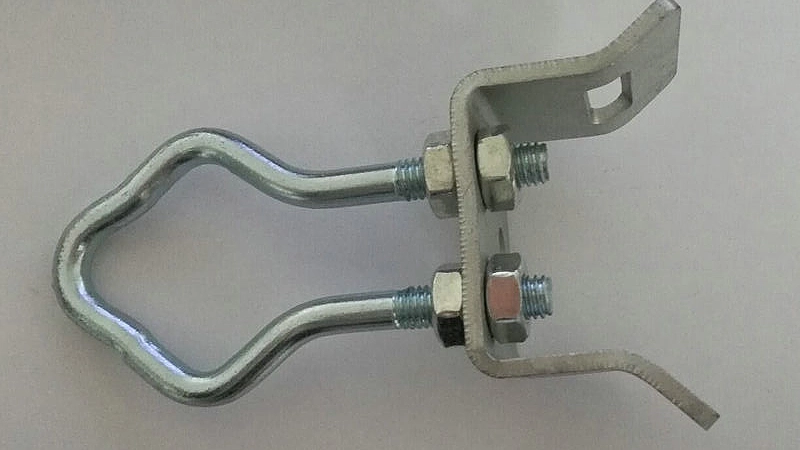
Proper hardware selection is critical for aerial fiber reliability and long-term cable protection.
Common Hardware Components
| Hardware | Function |
|---|---|
| Suspension Clamp | Supports cable during span |
| Dead-end Clamp | Anchors cable tension |
| Vibration Damper | Reduces wind vibration |
| Pole Bracket | Connects hardware to pole |
| Armor Rods | Protect cable sheath |
Step 4: Pull the Cable Correctly
Aerial fiber cable should always be pulled under controlled tension to avoid sheath damage and excessive stress.
Important Pulling Rules
- Never exceed maximum pulling tension
- Avoid sharp bending radius
- Use proper cable rollers
- Control pulling speed
- Monitor cable twist
Incorrect pulling is one of the most common causes of future fiber damage.
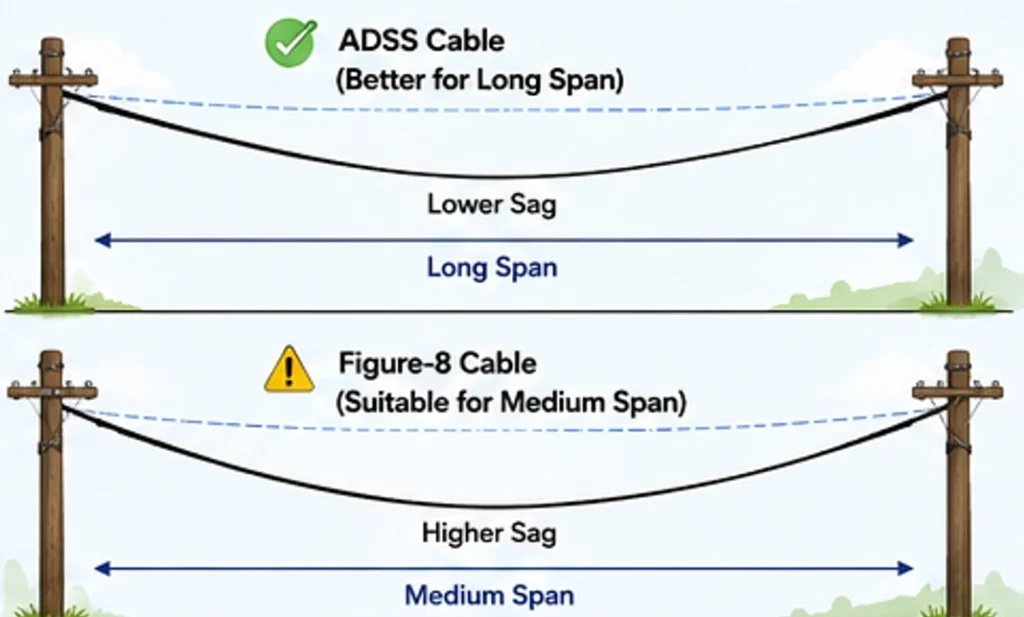
Step 5: Control Sag and Tension
Proper sag control prevents excessive mechanical stress and improves long-term aerial cable stability.
Why Sag Matters
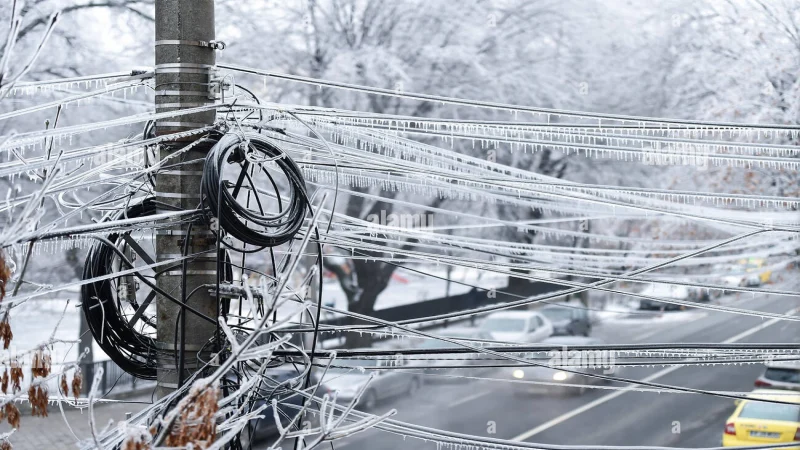
Too much sag may cause:
- Pole clearance problems
- Excessive cable swing
- Ice loading stress
- Traffic safety issues
Too little sag may cause:
- Excessive tension
- Hardware overload
- Sheath damage
General Span Recommendations
| Span Length | Installation Consideration |
|---|---|
| Short span | Lower sag |
| Medium span | Standard tension |
| Long span | Engineering calculation required |
Projects involving aerial fiber cable installation often require detailed sag and tension calculation in long-span environments.
Step 6: Maintain Safe Clearance
Aerial fiber cable must maintain proper clearance from power conductors, roads, buildings, and trees.
Important Clearance Factors
| Clearance Area | Risk |
|---|---|
| Power lines | Electrical hazard |
| Roads | Vehicle contact |
| Trees | Abrasion damage |
| Buildings | Safety and maintenance issues |
This is especially important for utility installations near high-voltage transmission syste
Step 7: Protect Against Wind and Vibration
Wind-induced vibration can shorten aerial cable lifespan if proper protection hardware is not installed.
Common Protection Hardware
- Spiral vibration dampers
- Stockbridge dampers
- Armor rods
- Proper clamp spacing
Harsh environments with strong wind or ice loading usually require additional vibration protection.
Common Mistakes in Aerial Fiber Installation
Common installation mistakes include:
- Incorrect sag control
- Poor clamp selection
- Excessive pulling tension
- Improper clearance
- Ignoring vibration protection
These problems may increase:
- Fiber attenuation
- Cable damage
- Maintenance cost
- Network downtime
FAQ About Aerial Fiber Cable Installation
How is aerial fiber optic cable installed?
Aerial fiber optic cable is installed by attaching the cable to poles or towers using suspension and tension hardware while controlling sag and cable tension.
What hardware is used for aerial fiber installation?
Common aerial fiber hardware includes suspension clamps, dead-end clamps, vibration dampers, armor rods, and pole brackets.
How much sag should aerial fiber cable have?
Proper sag depends on span length, temperature, cable type, and environmental conditions. Engineering calculation is recommended for long spans.
Is ADSS cable easier to install than Figure-8 cable?
Figure-8 cable is usually easier to install because the messenger wire already supports the cable, while ADSS installation requires more tension calculation and specialized hardware.
Can aerial fiber cable be installed near power lines?
Yes. ADSS cable is specifically designed for installation near power lines because it contains no conductive metallic components.
How long does aerial fiber cable installation take?
Installation time depends on route length, terrain, pole condition, and weather, but aerial deployment is usually faster than underground installation.
Conclusion
Proper aerial fiber optic cable installation is critical for long-term network reliability and outdoor performance.
Successful installation depends on:
- Correct cable selection
- Proper hardware
- Controlled tension
- Accurate sag adjustment
- Safe clearance
- Environmental protection
Whether deploying ADSS cable, Figure-8 cable, or utility communication systems, following proper installation procedures can significantly reduce maintenance costs and improve network lifespan.


 English
  Español