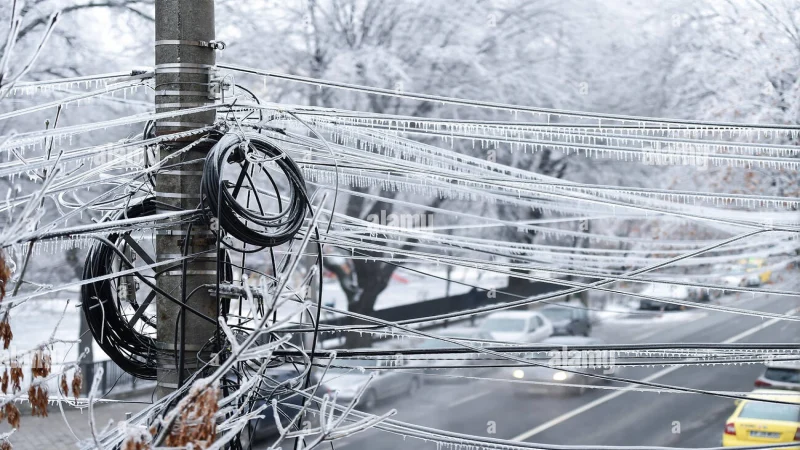
Installing fiber optic cable near power lines is challenging. High voltage, electromagnetic interference, lightning exposure, and long-span deployment can quickly damage unsuitable cables or increase maintenance risks.
This is why many utility companies and telecom contractors choose ADSS cable for overhead fiber deployment in power transmission and distribution systems.
Unlike traditional metallic aerial cables, ADSS cable is fully dielectric and self-supporting, making it highly suitable for electrical utility environments.
If you are still comparing different overhead cable types, understanding how to choose aerial fiber cable can help determine whether ADSS is the right solution for your project.
What Is ADSS Cable for Power Lines?
ADSS cable is a self-supporting all-dielectric fiber optic cable designed for aerial installation near power lines without requiring metallic support components.
Because ADSS cable contains no conductive metal, it offers:
- Excellent EMI resistance
- Better lightning performance
- Long-span installation capability
- Reduced grounding concerns
- Lower maintenance requirements
It is commonly used in:
- Transmission line communication
- Utility backbone networks
- Smart grid systems
- Rural power distribution communication
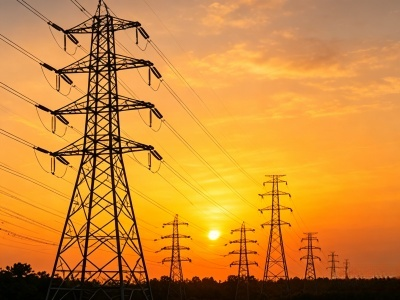

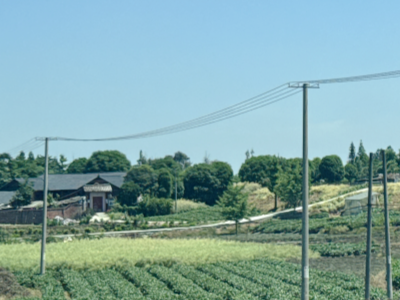
What Is ADSS Cable?
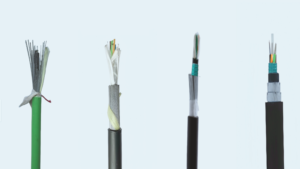
ADSS (All-Dielectric Self-Supporting) cable is an aerial fiber optic cable that supports its own weight without metallic messenger wires or grounding components.
Unlike Figure-8 cable, ADSS uses aramid yarn strength members instead of steel support wire.
If you need a broader introduction to overhead cable systems, understanding what is aerial fiber optic cable helps explain how ADSS fits into aerial network deployment.
Why ADSS Cable Is Used Near Power Lines
ADSS cable is widely used near power lines because its non-metallic structure minimizes electromagnetic interference and improves electrical safety.
Traditional metallic aerial cables may experience:
- Induced current
- Electrical tracking
- Grounding complications
- Signal instability
ADSS cable avoids these problems because it contains no conductive metal components.
Many utility operators use ADSS cable for power line communication systems to improve long-distance transmission reliability.
Main Applications of ADSS Cable in Power Systems
ADSS cable is widely used across utility communication infrastructure.
Transmission Line Communication
ADSS cable is commonly installed along high-voltage transmission routes to provide communication between substations and control centers.
This type of fiber cable for transmission line deployment supports:
- SCADA systems
- Relay protection communication
- Grid monitoring
- Utility data transmission
Distribution Network Communication
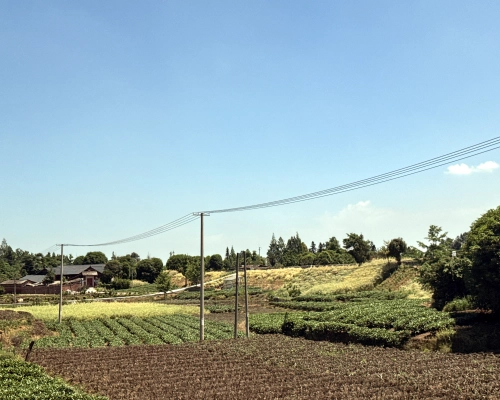
ADSS cable is also used in medium-voltage distribution networks where utility poles already exist.
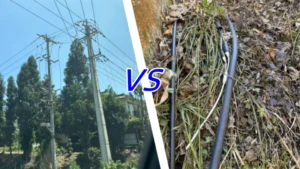
Compared with underground fiber deployment, aerial ADSS installation is usually:
- Faster
- Lower cost
- Easier to maintain
This makes ADSS suitable for:
- Rural broadband
- Smart utility networks
- Industrial communication systems
Long-Span Mountainous Deployment
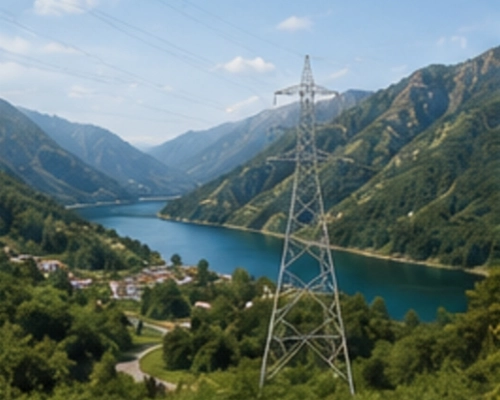
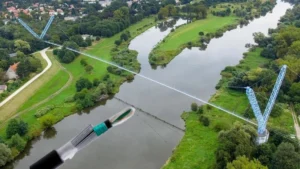
ADSS cable performs well in mountainous and difficult terrain because it supports long aerial spans without steel messenger wires.
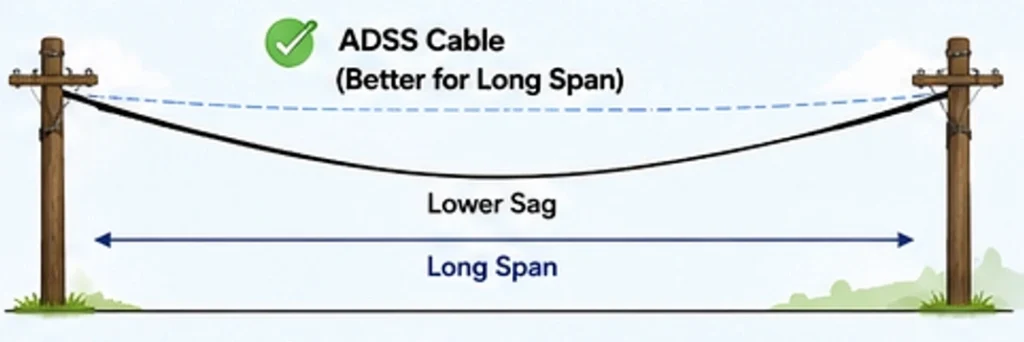
Its lightweight structure reduces sag and mechanical stress over long distances.
Many utility contractors select ADSS as a power line fiber solution for valleys, rivers, highways, and remote transmission routes.
ADSS vs OPGW for Power Line Communication
ADSS cable is installed below power lines as a self-supporting communication cable, while OPGW cable is installed on the top of transmission towers as part of the grounding system.
Both cables are used in utility communication systems, but their installation methods and applications are different.
| Feature | ADSS Cable | OPGW Cable |
|---|---|---|
| Structure | All-dielectric | Metallic grounding wire |
| Installation Position | Below conductors | Tower top |
| Electrical Conductivity | Non-metallic | Conductive |
| Installation Complexity | Lower | Higher |
| Typical Application | Distribution & transmission | High-voltage transmission |
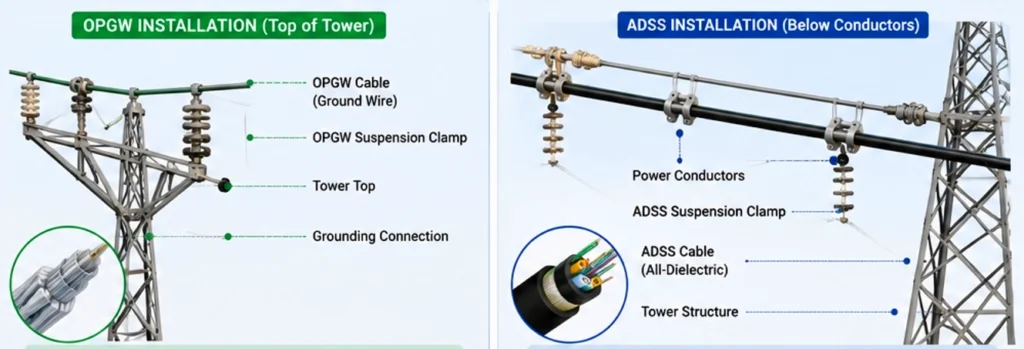
If your project involves transmission tower grounding systems, understanding OPGW installation differences is important before selecting cable type.
Technical Factors When Choosing ADSS Cable
Several engineering factors affect ADSS cable selection in utility environments.
Span Length
Longer aerial spans require higher tensile strength and lower cable sag.
General Recommendations
| Span Distance | Recommended ADSS Type |
|---|---|
| Under 100m | Standard ADSS |
| 100–300m | Medium-span ADSS |
| Over 300m | Long-span ADSS |
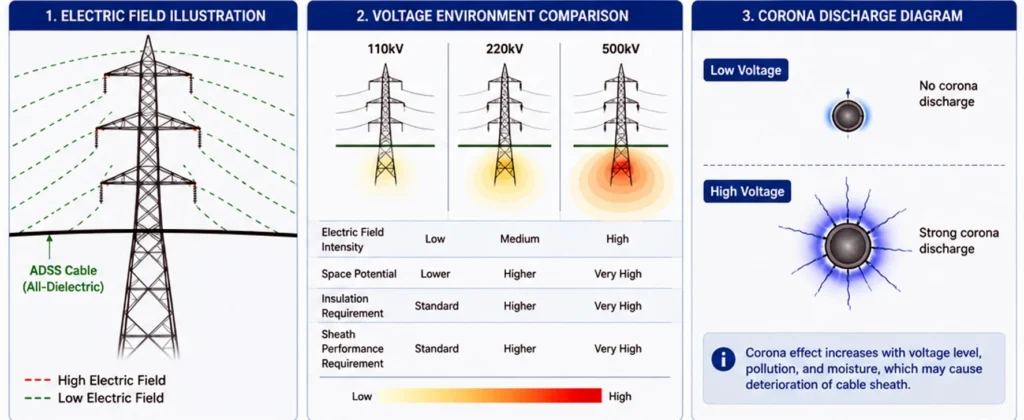
Voltage Environment
Higher voltage environments require better tracking resistance and sheath performance.
Important factors include:
- Space potential
- Electric field intensity
- Corona effect
- Pollution level
This is especially important in 110kV, 220kV, and 500kV transmission systems.
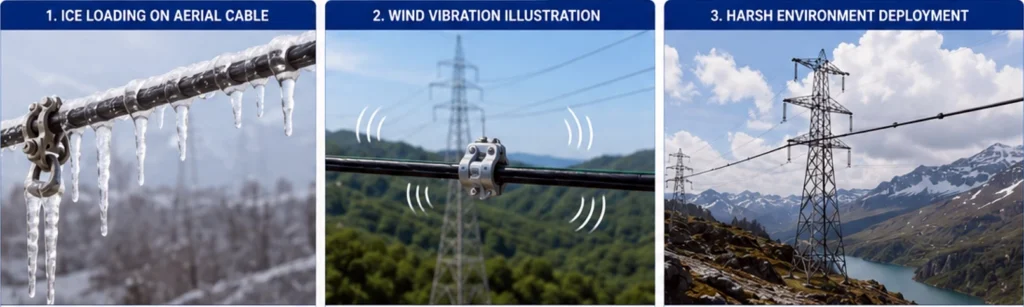
Weather Conditions
Wind, ice loading, lightning, and UV exposure all affect ADSS cable lifespan and performance.
ADSS cable is commonly selected for harsh outdoor environments because it offers:
- Good weather resistance
- Corrosion resistance
- Lightweight structure
- Stable long-term performance
ADSS Installation Considerations
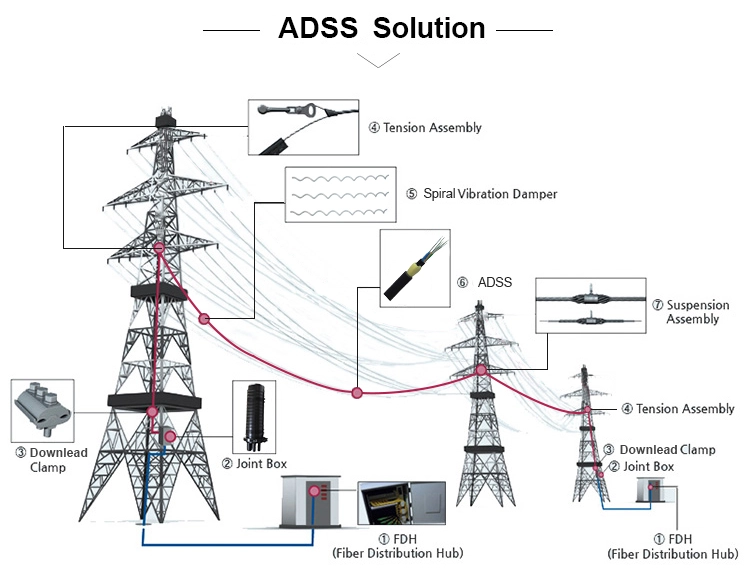
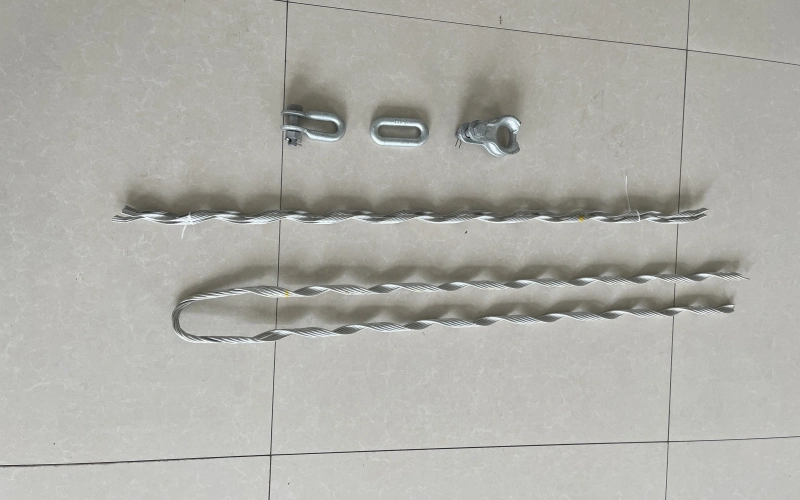
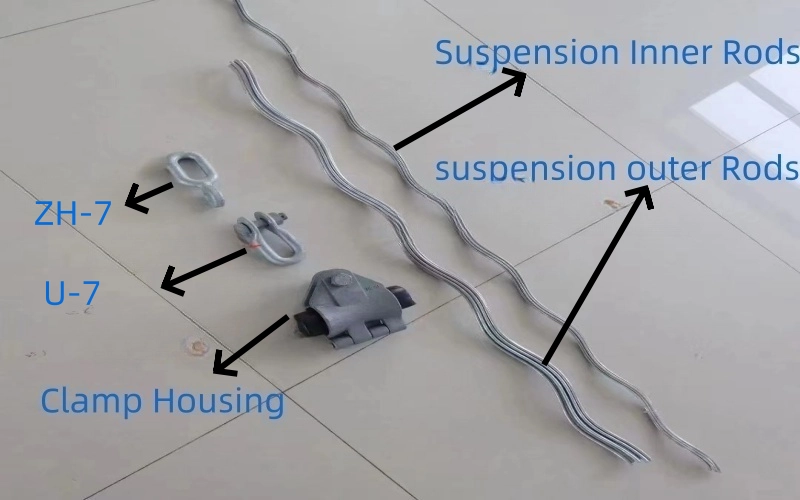
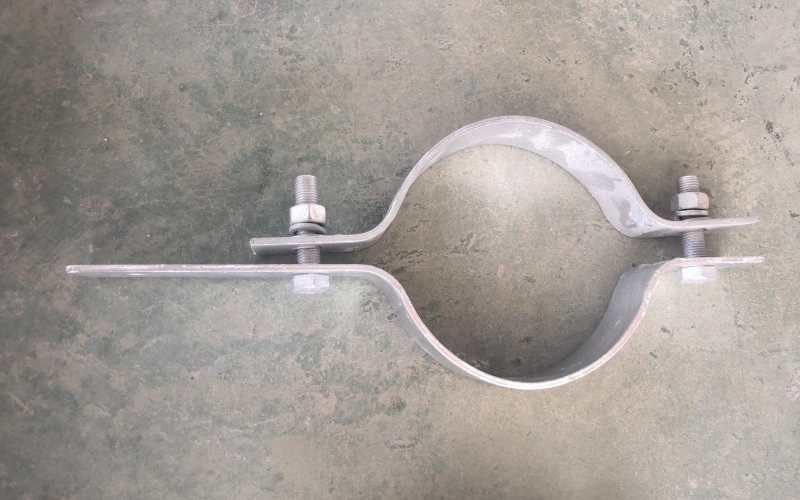
Proper hardware selection is critical for safe and reliable ADSS installation near power lines.
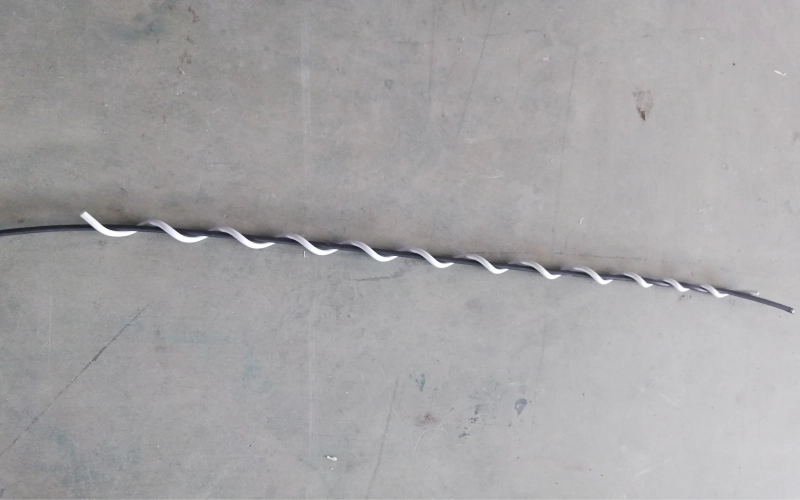
Common installation hardware includes:
- Suspension clamps
- Dead-end tension clamps
- Spiral vibration dampers
- Armor rods
Understanding aerial fiber cable installation requirements helps reduce installation stress and improve long-term reliability.
Important Installation Factors
- Pole spacing
- Tension calculation
- Sag control
- Vibration protection
- Minimum clearance from conductors
IMPORTANT:
Use real hardware photos instead of generic icons whenever possible.
Common Mistakes in ADSS Power Line Deployment
Common ADSS installation mistakes include:
- Incorrect span calculation
- Improper clamp selection
- Insufficient conductor clearance
- Ignoring electric field effects
- Poor vibration protection
These mistakes can increase:
- Sheath damage
- Signal instability
- Cable sag
- Maintenance cost
FAQ About ADSS Cable for Power Lines
Can ADSS cable be installed directly on power poles?
Yes. ADSS cable is specifically designed for aerial installation on utility poles and transmission structures without metallic messenger wires.
Why is ADSS cable better near power lines?
ADSS cable is better near power lines because it is non-metallic and highly resistant to electromagnetic interference and induced current.
What is the difference between ADSS and OPGW cable?
ADSS cable is a self-supporting communication cable installed below conductors, while OPGW cable functions as both grounding wire and optical communication cable on tower tops.
What span can ADSS cable support?
ADSS cable span capability depends on cable design, but long-span models can support installations exceeding 1000 meters in some utility projects.
Does ADSS cable require grounding?
No. ADSS cable does not require grounding because it contains no metallic conductive components.
How long does ADSS cable last outdoors?
Properly installed ADSS cable can typically operate for 20–30 years in outdoor utility environments.
Conclusion
ADSS cable has become one of the most widely used aerial fiber solutions for utility communication networks because it combines electrical safety, long-span capability, and low-maintenance performance.
It is especially suitable for:
- Power transmission communication
- Distribution utility networks
- Rural overhead deployment
- Long-span installation
- Harsh outdoor environments
Compared with traditional metallic aerial cables, ADSS offers safer and more stable communication performance near high-voltage infrastructure.



 English
  Español