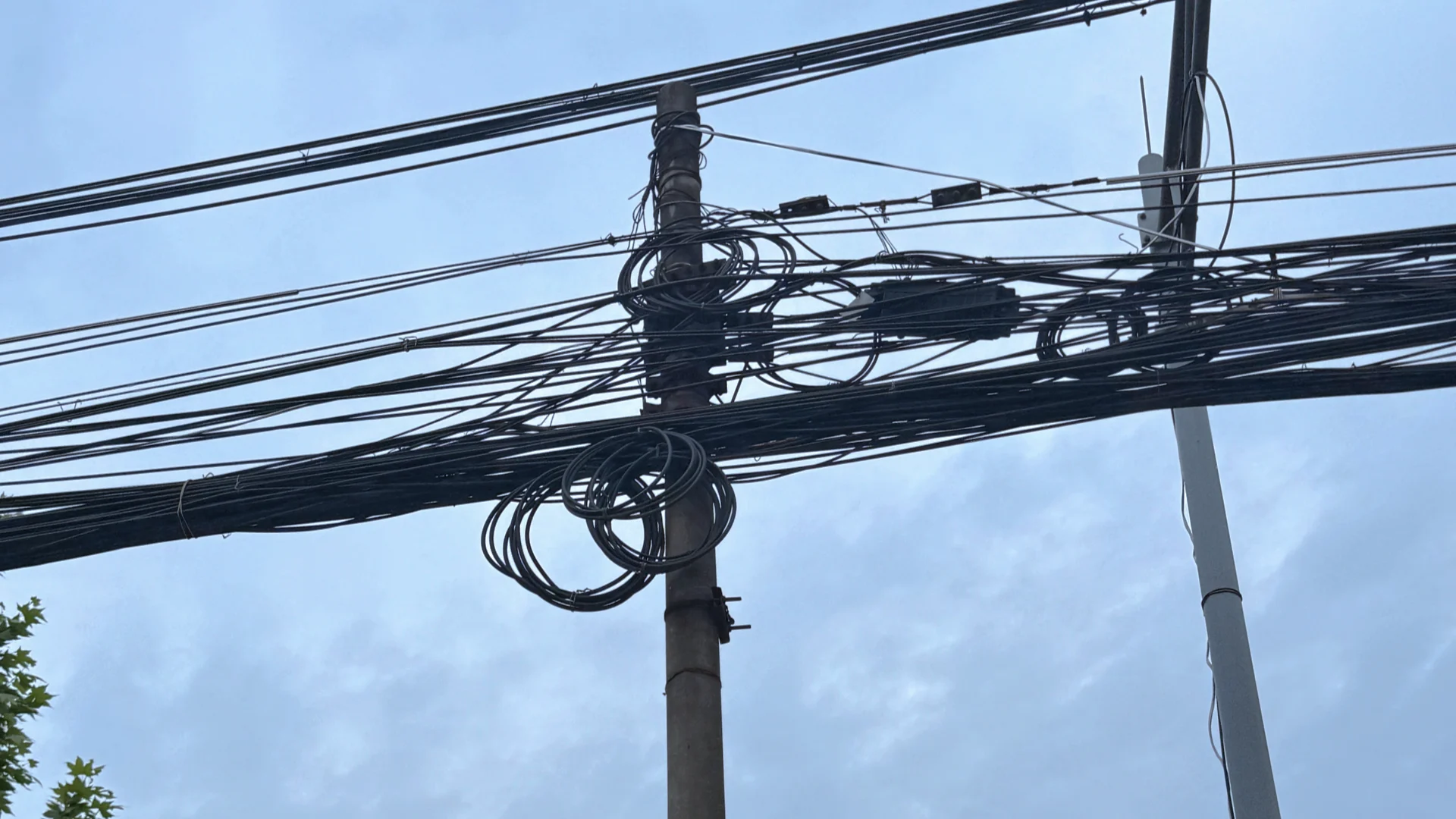
Choosing aerial fiber optic cable is not just about price. The wrong cable can create installation problems, increase sag over long spans, shorten service life, or raise future maintenance costs.
Many network planners struggle with questions like:
- Should you use ADSS or Figure-8 cable?
- Which cable works better near power lines?
- What cable is best for long-distance aerial installation?
- Which option is easier to install and maintain?
The answer depends on your installation environment, span length, weather conditions, infrastructure type, and long-term network requirements.
Before selecting a cable type, it helps to understand what is aerial fiber optic cable and how overhead fiber networks are commonly deployed in telecom and utility systems.
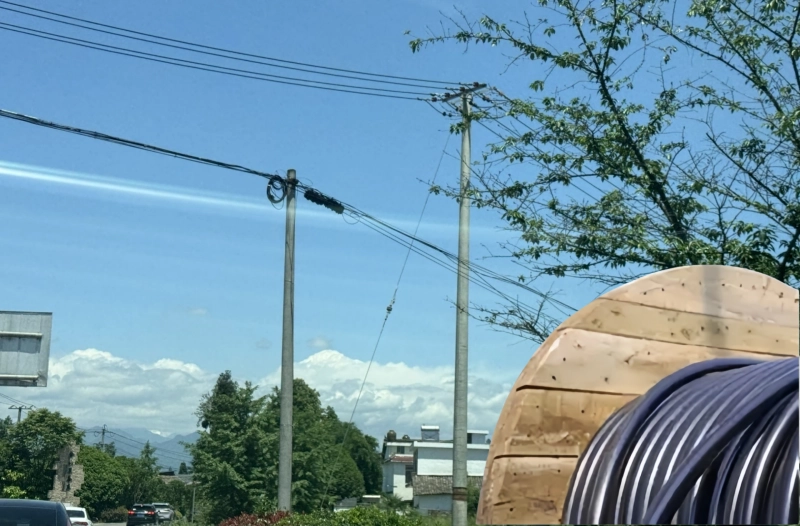
This guide explains how to choose the right aerial fiber cable based on real project conditions instead of generic specifications.
Quick Answer: How to Choose Aerial Fiber Cable
Choose aerial fiber optic cable based on:
- Span length
- Installation environment
- Distance from power lines
- Weather conditions
- Pole infrastructure
- Installation complexity
- Maintenance requirements
- Project budget
In General:
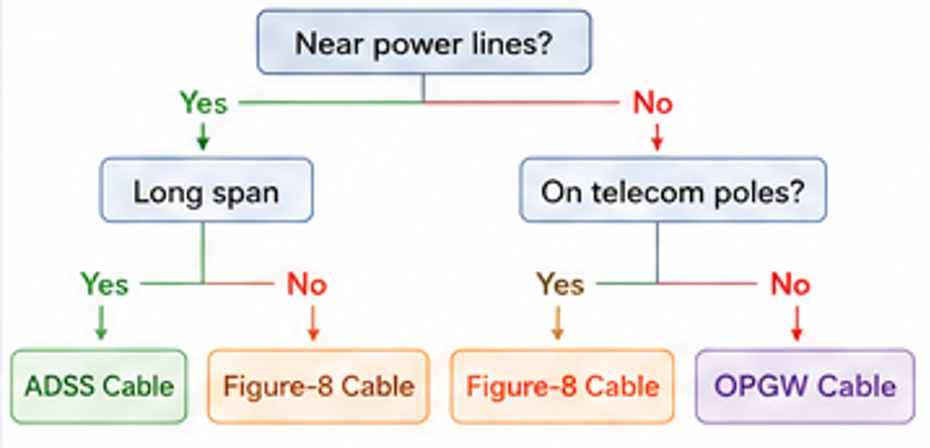
- Choose ADSS cable for long spans and power utility networks.
- Choose Figure-8 cable for urban telecom poles and lower-cost installation.
- Choose OPGW cable for high-voltage transmission systems requiring both grounding and communication.
What Is Aerial Fiber Optic Cable?
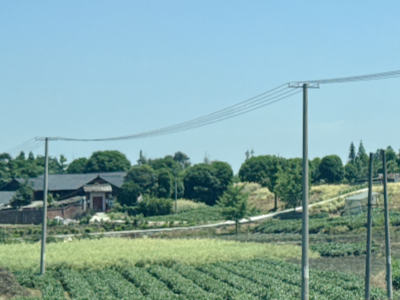
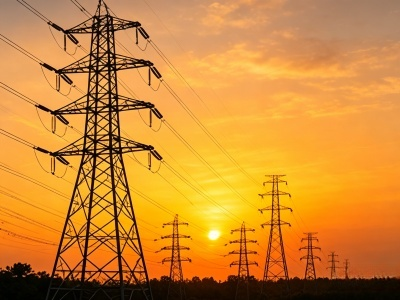
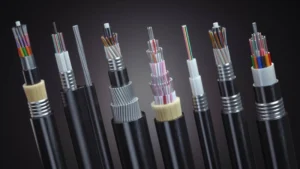
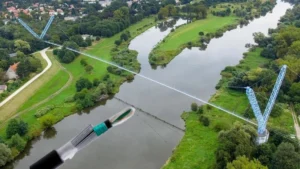
Aerial fiber optic cable is an outdoor optical cable installed above ground on poles or towers instead of being buried underground.
It is commonly used in:
- Telecom pole networks
- Rural broadband deployment
- Utility communication systems
- Highway communication routes
- Industrial outdoor networks
Compared with underground cable installation, aerial deployment is usually faster and more cost-effective.
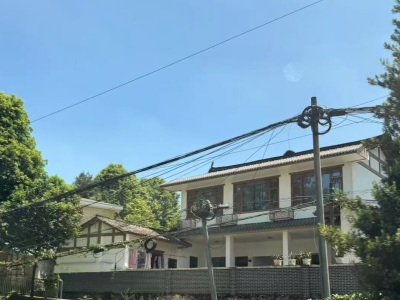

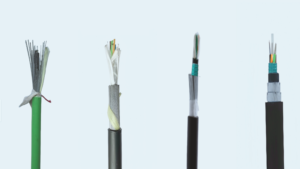
Main Types of Aerial Fiber Optic Cable
Different aerial cable types are designed for different installation environments.
ADSS Fiber Optic Cable
ADSS cable is a self-supporting all-dielectric aerial fiber optic cable designed for long-span installation and power utility environments.
Because ADSS cable contains no metal components, it offers excellent resistance to electromagnetic interference and lightning-related electrical risks.
Many utility contractors prefer outdoor ADSS fiber cable for long-distance overhead deployment near transmission infrastructure.
Best Applications for ADSS Cable
- Power utility communication systems
- Long-span aerial installation
- Rural backbone networks
- Mountainous terrain
- High EMI environments
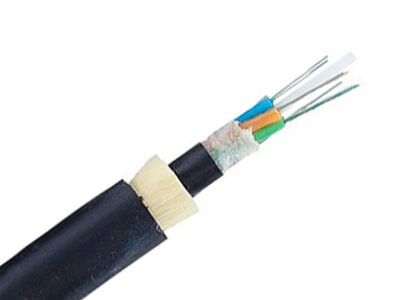
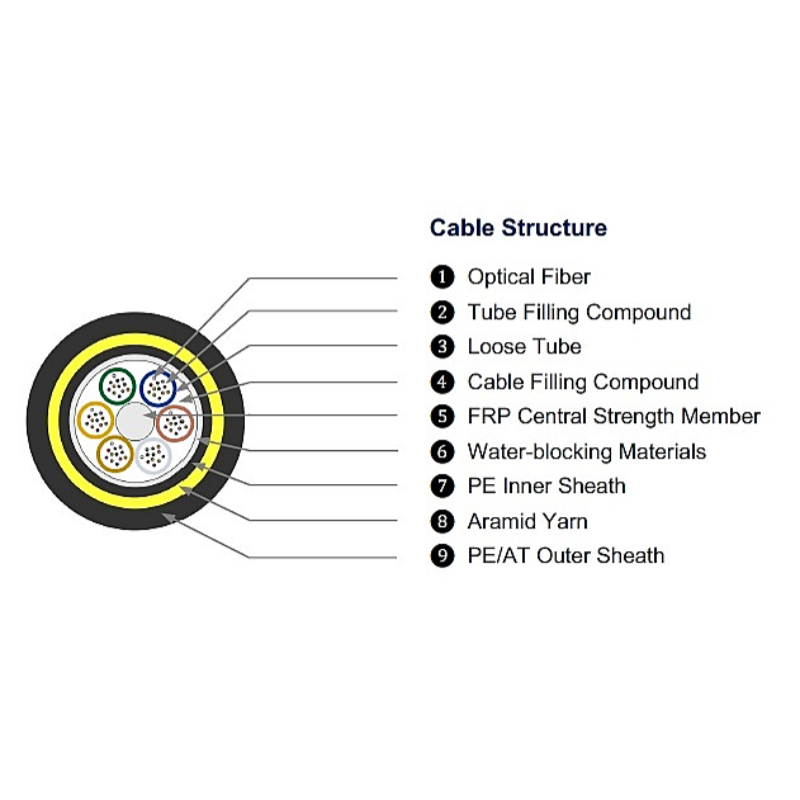
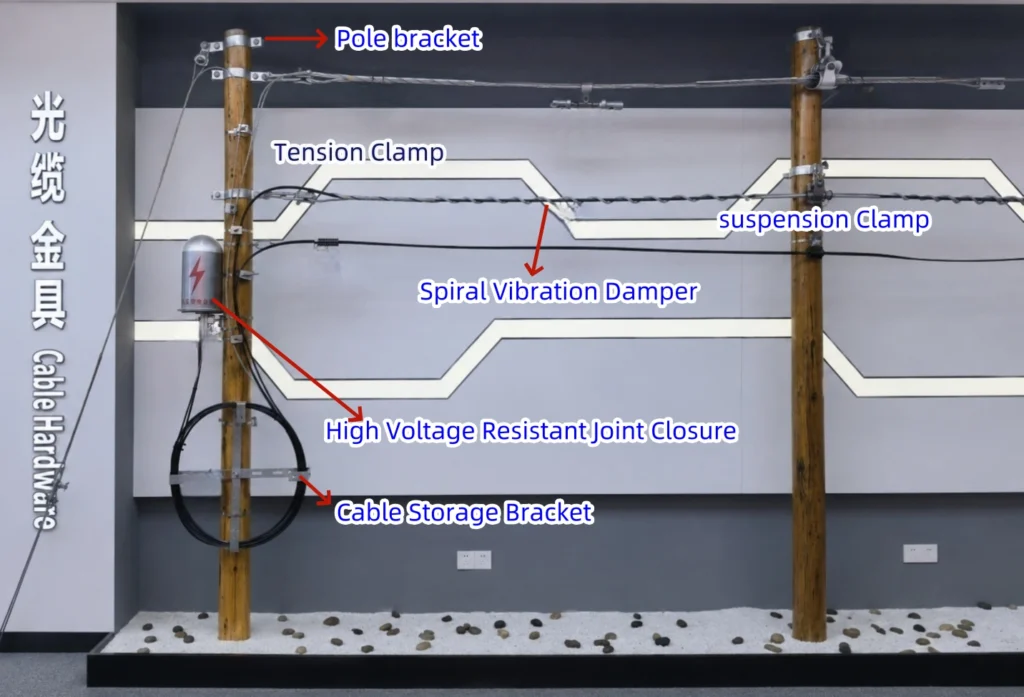
Figure-8 Fiber Optic Cable
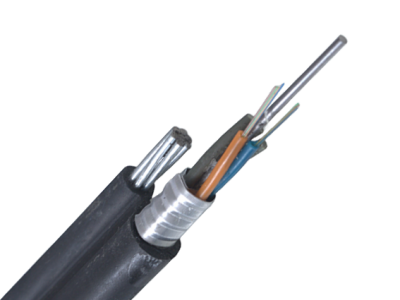
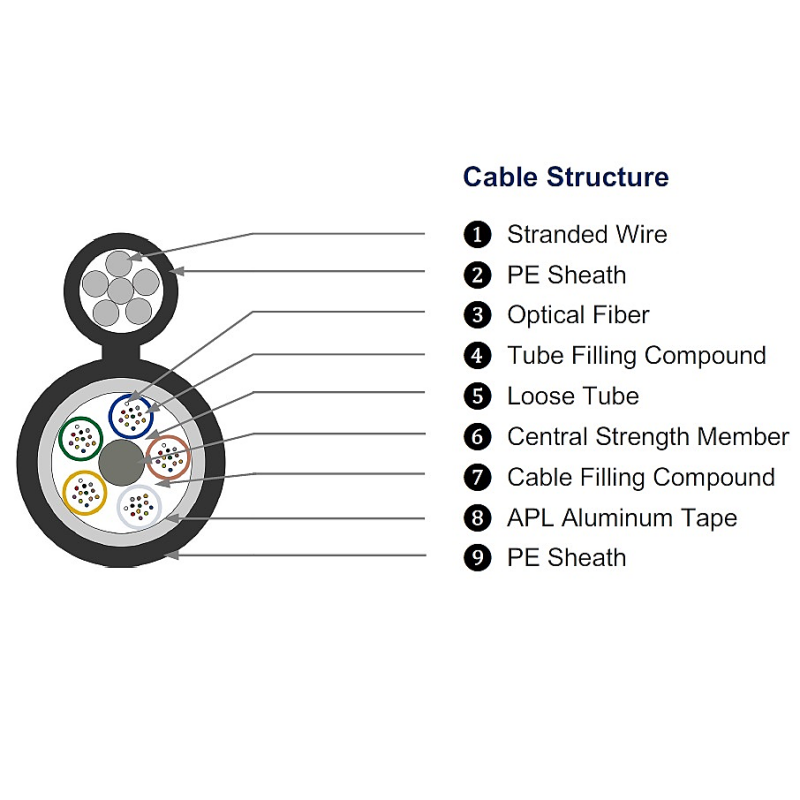
Figure-8 cable is an aerial fiber optic cable with an integrated steel messenger wire that supports the cable during suspension installation.
It is commonly used in telecom pole networks and urban aerial deployment where span distances are moderate.
Many operators choose figure-8 aerial fiber cable because it is easier to install and typically costs less than ADSS cable.
Best Applications for Figure-8 Cable
- Urban telecom networks
- Existing pole line systems
- Access network deployment
- Campus communication systems
- Medium-span aerial routes
OPGW Cable
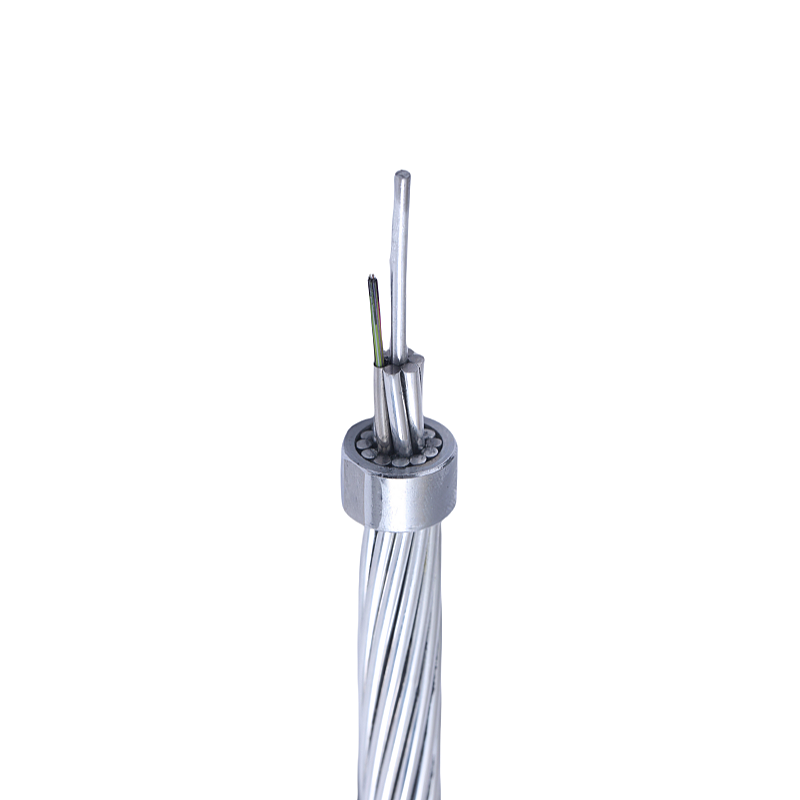
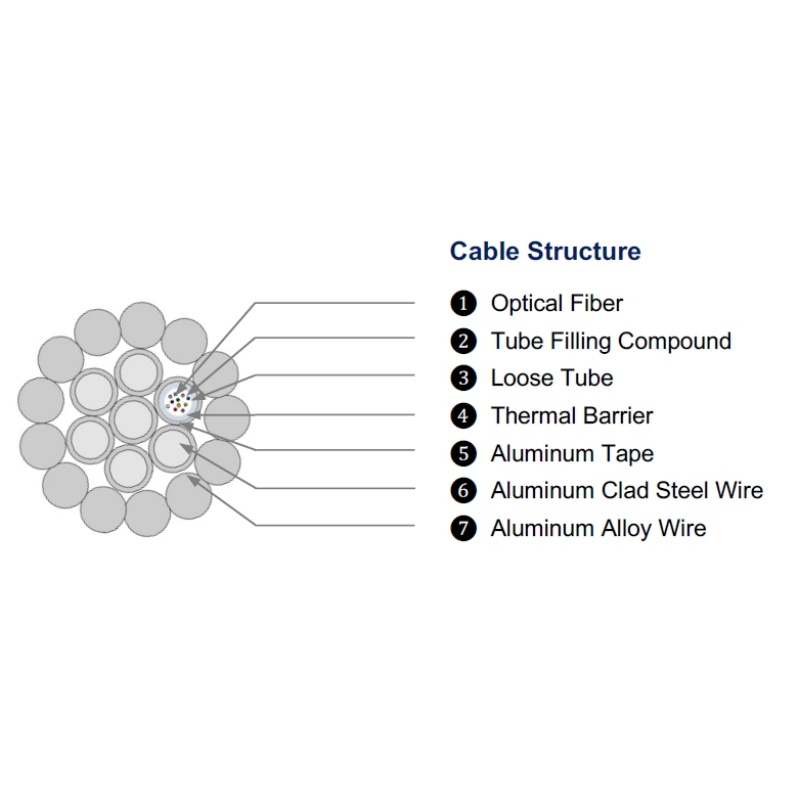
OPGW (Optical Ground Wire) cable combines optical fibers with grounding wire functions for high-voltage power transmission systems.
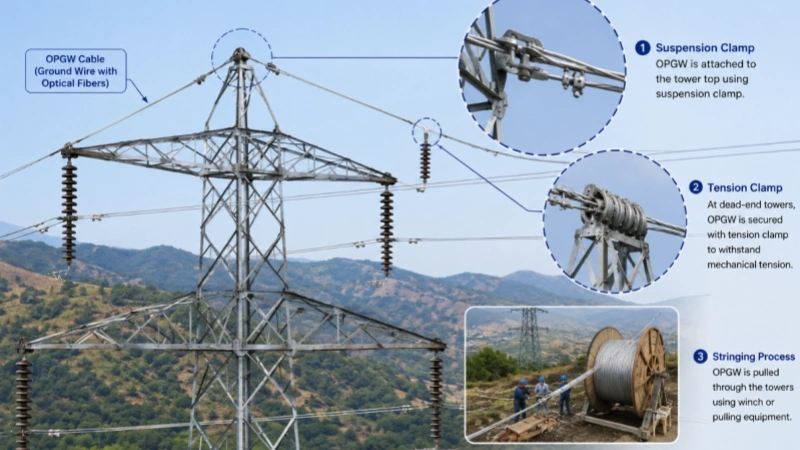
Unlike ADSS cable, OPGW is installed directly on transmission towers as part of the grounding infrastructure.
Best Applications for OPGW
- High-voltage transmission lines
- Smart grid communication
- Power utility backbone networks
Choose Cable Based on Installation Environment
The installation environment is one of the most important factors when selecting aerial fiber cable.
Choose ADSS Cable for Power Line Environments
Choose ADSS cable when installation is close to power lines or in high electromagnetic interference environments.
ADSS cable is widely used as a fiber cable for transmission line deployment solution because its dielectric structure improves electrical safety near high-voltage infrastructure.
ADSS Is Better For:
- Utility communication systems
- Long-distance overhead deployment
- Lightning-prone areas
- Industrial environments
- Mountainous terrain
Choose Figure-8 Cable for Telecom Pole Networks
Choose Figure-8 cable when installation uses existing telecom poles and moderate aerial spans.
Figure-8 cable is easier to install because the messenger wire already provides mechanical support.
Figure-8 Is Better For:
- Urban telecom deployment
- Access networks
- Short-to-medium aerial spans
- Faster installation projects
- Budget-sensitive networks
Choose Cable Based on Span Length
Span length directly affects aerial cable selection because longer spans increase sag and mechanical tension.
Recommended Cable by Span Distance
| Span Length | Recommended Cable |
| Under 80m | Figure-8 Cable |
| 80m–150m | Figure-8 or ADSS |
| Over 150m | ADSS Cable |
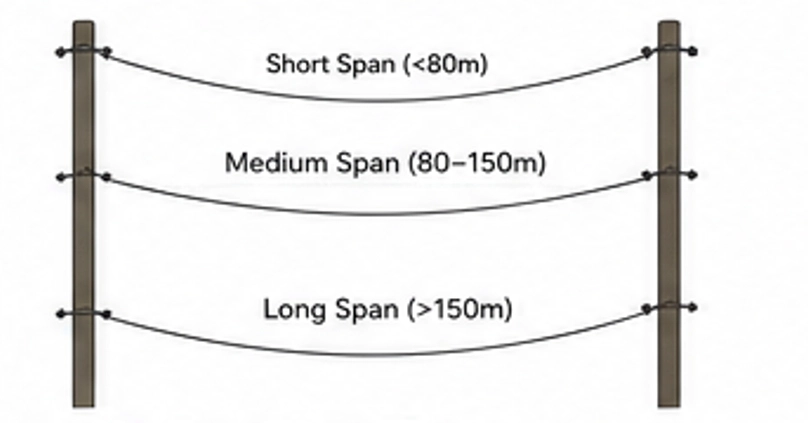
ADSS cable generally performs better over long distances because its lightweight self-supporting structure reduces sag.
For projects requiring long span aerial fiber cable deployment, ADSS is often preferred in rural and utility communication systems.
Choose Cable Based on Weather Conditions
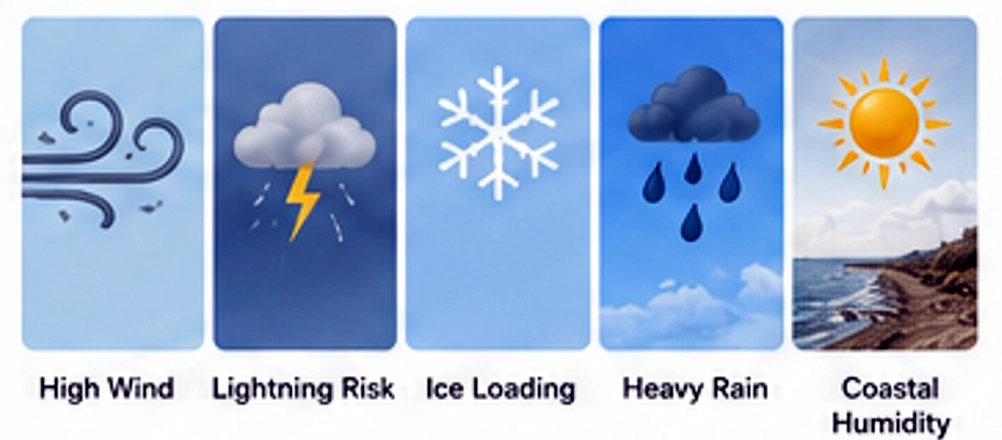
Weather conditions can significantly affect aerial cable lifespan and installation stability.
Important Environmental Factors
| Environment | Recommended Cable |
| High lightning risk | ADSS |
| Coastal humidity | ADSS |
| Heavy wind | ADSS |
| Urban moderate climate | Figure-8 |
| Ice loading areas | ADSS |
ADSS cable typically performs better in harsh outdoor environments because it contains no steel messenger wire vulnerable to corrosion.
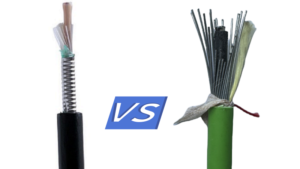
ADSS vs Figure-8: Which Should You Choose?
ADSS cable is better for long-span, power utility, and harsh outdoor environments, while Figure-8 cable is better for telecom pole networks and cost-sensitive installation.
If you are comparing the difference between ADSS and figure 8 cable in more detail, the decision usually comes down to span distance, installation environment, and maintenance expectations.
Choose ADSS If You Need:
- Long-span deployment
- EMI resistance
- Lower long-term maintenance
- Power line compatibility
Choose Figure-8 If You Need:
- Lower installation cost
- Faster deployment
- Existing telecom pole infrastructure
- Medium-span installation
Installation Considerations
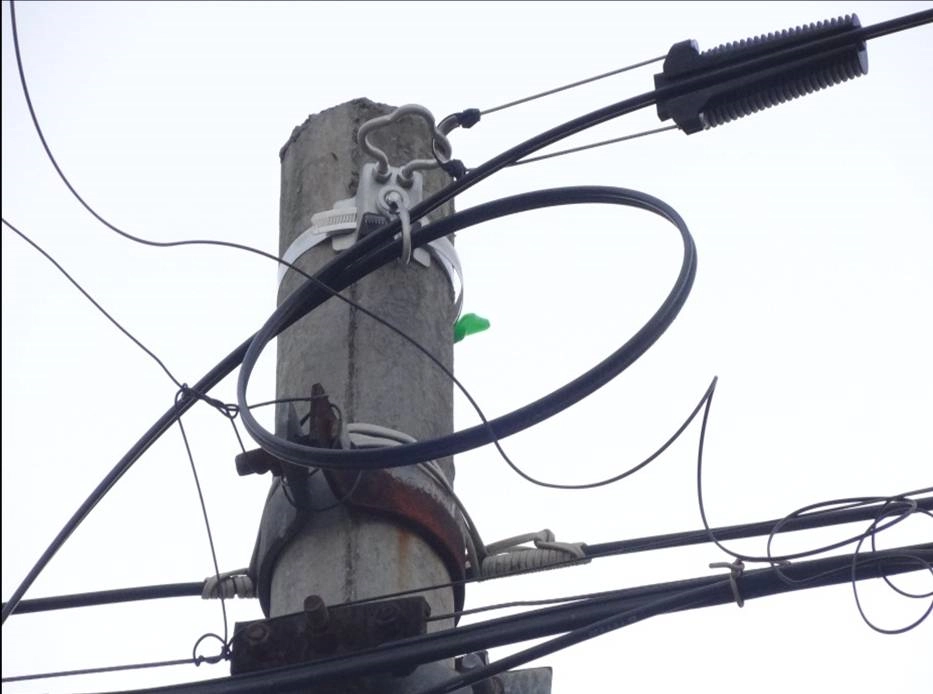
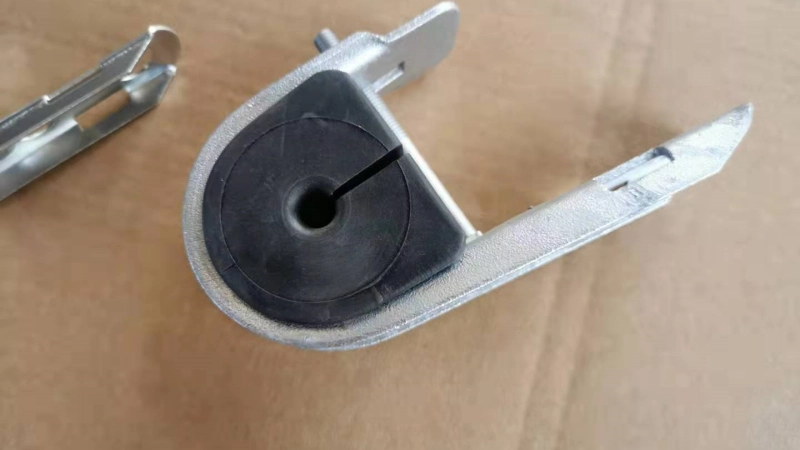
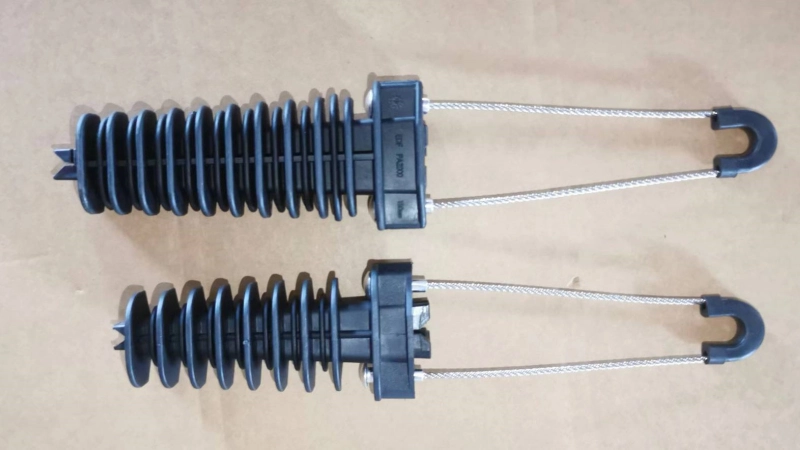
Proper hardware selection and tension control are critical in aerial fiber installation.
When planning aerial fiber cable installation, installation teams should consider:
- Pole spacing
- Wind loading
- Cable sag
- Suspension hardware
- Future maintenance access
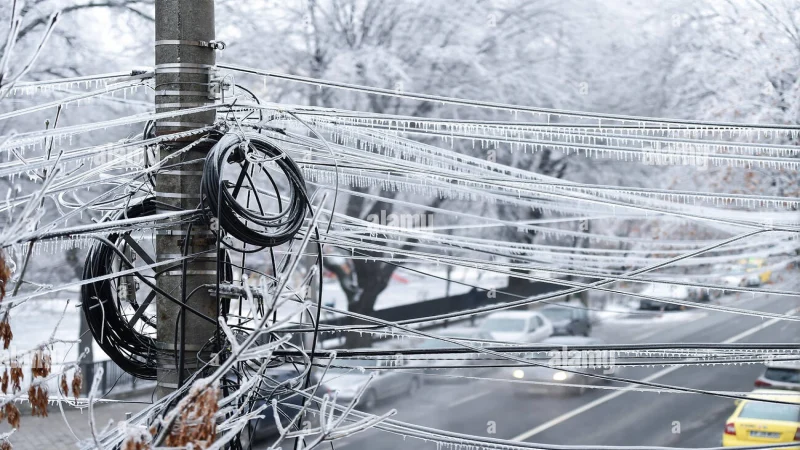
ADSS Installation
Requires:
- Suspension clamps
- Tension clamps
- Vibration dampers
- Engineering calculation
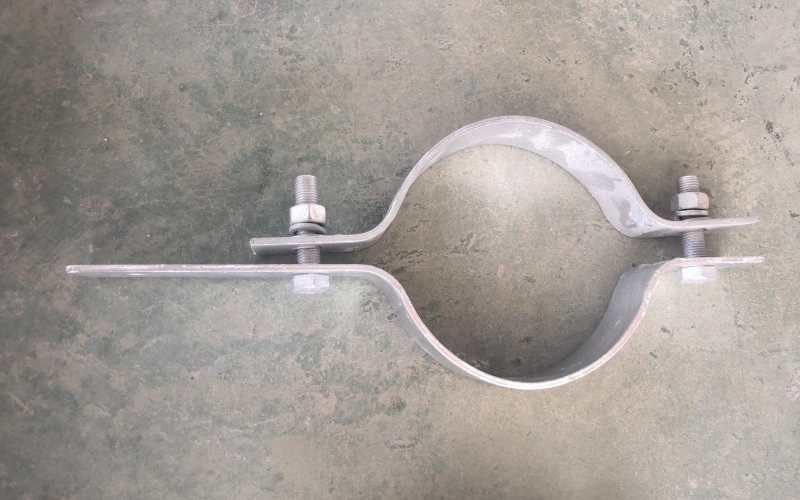
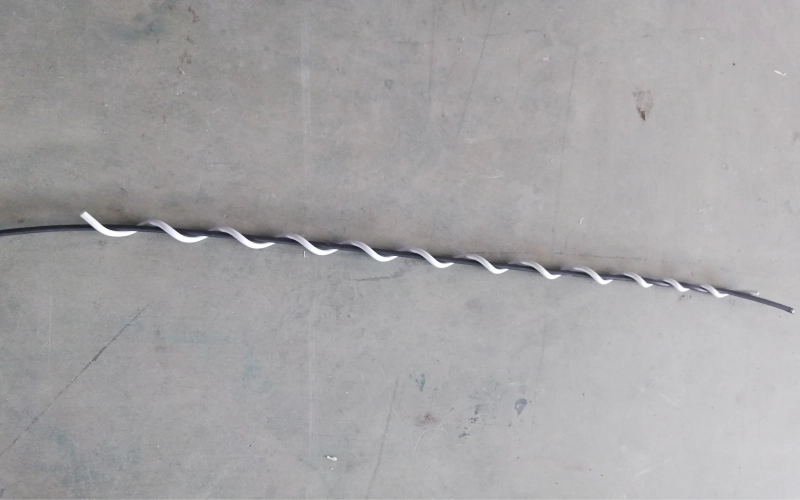
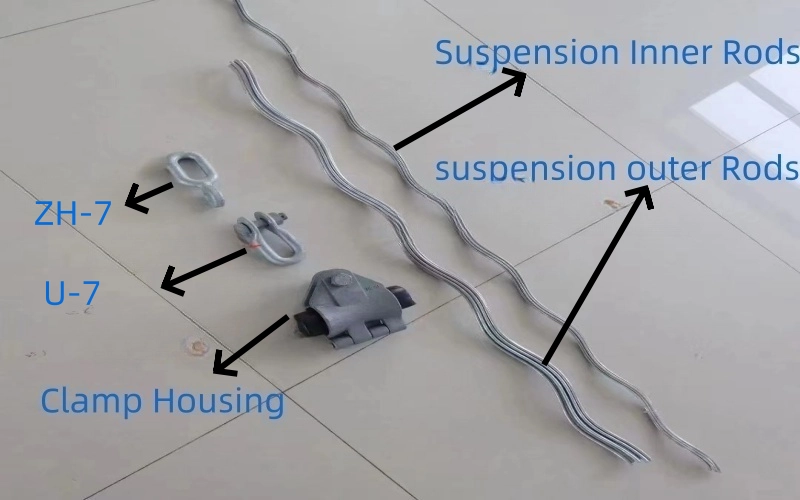
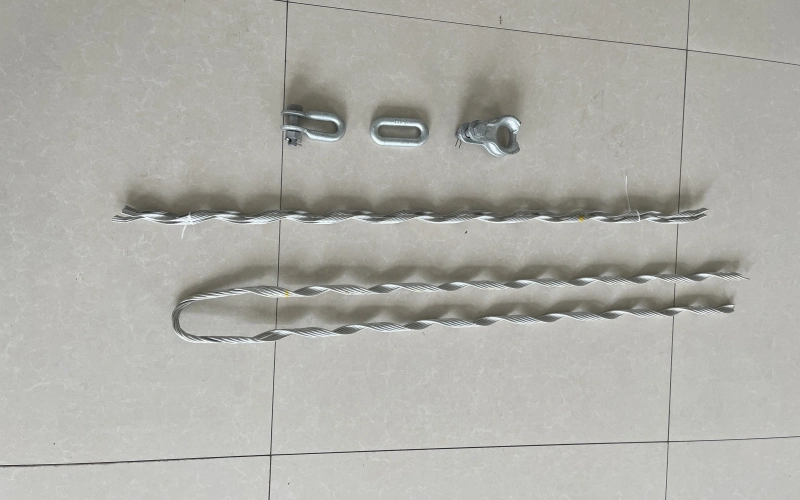
Figure-8 Installation
Requires:
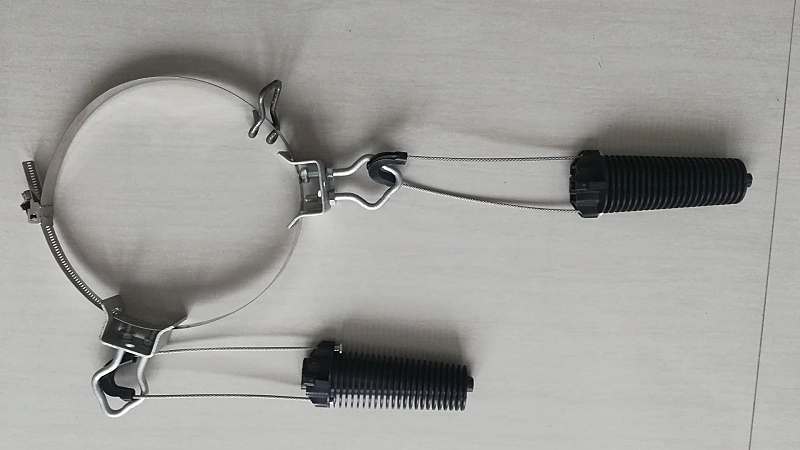
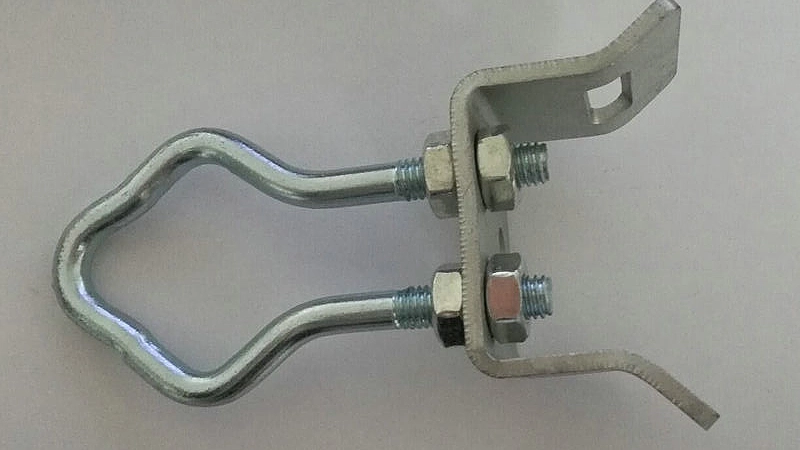
- Messenger wire suspension hardware
- Pole hooks
- Simpler tension setup
Common Mistakes When Choosing Aerial Fiber Cable
Common aerial cable selection mistakes include:
- Ignoring span distance
- Choosing only based on cable price
- Overlooking weather conditions
- Using incorrect hardware
- Ignoring long-term maintenance
Many projects choose the cheapest cable initially but later face higher maintenance and replacement costs.
Should You Use Aerial or Underground Fiber Cable?
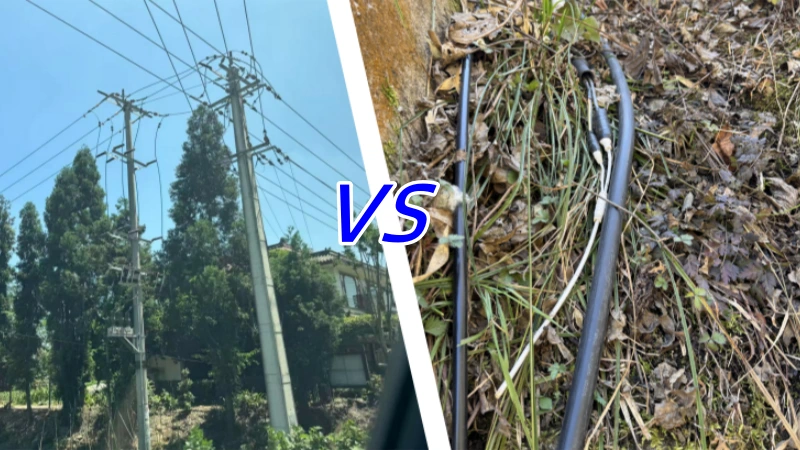
Aerial fiber cable is usually faster and cheaper to install, while underground fiber cable offers better physical protection and cleaner routing.
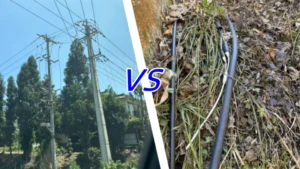
Some network planners also compare aerial vs underground fiber cable deployment methods before finalizing project design.
Aerial Cable Advantages
- Lower installation cost
- Faster deployment
- Easier maintenance access
Underground Cable Advantages
- Better physical protection
- Reduced weather exposure
- Cleaner city appearance
FAQ About Choosing Aerial Fiber Optic Cable
What is the best aerial fiber optic cable for long spans?
ADSS cable is usually the best choice for long-span aerial installation because it is lightweight, self-supporting, and produces lower sag over long distances.
Is ADSS cable better than Figure-8 cable?
ADSS cable is better for power utility environments and long-distance aerial deployment, while Figure-8 cable is better for lower-cost telecom pole installation.
Can Figure-8 cable be used near power lines?
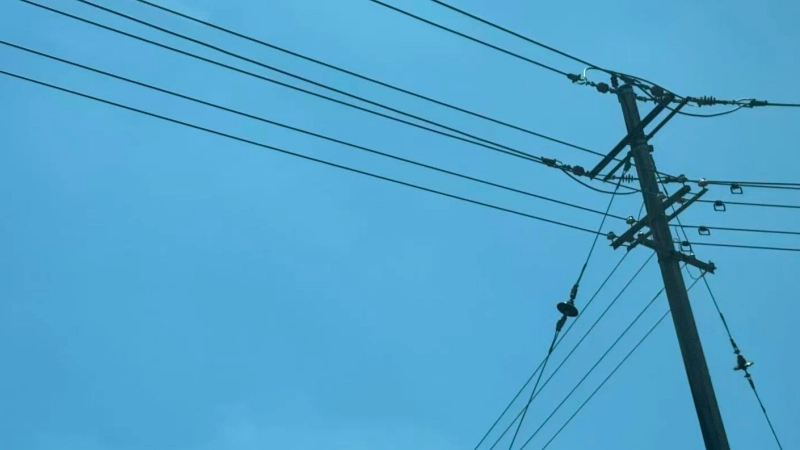
Figure-8 cable can be installed near power lines in some telecom applications, but ADSS cable is generally safer because it contains no conductive metal components.
Which aerial cable is easier to install?
Figure-8 cable is usually easier to install because the messenger wire already supports the cable during suspension installation.
What is the difference between ADSS and OPGW cable?
ADSS cable is installed below power lines as a self-supporting communication cable, while OPGW cable is installed directly on transmission towers as part of the grounding system.
How long does aerial fiber optic cable last?
Most aerial fiber optic cables can last 20–30 years when properly installed and maintained under suitable environmental conditions.
Is aerial fiber cheaper than underground fiber?
Aerial fiber installation is usually cheaper and faster than underground deployment because it requires less trenching and civil construction work.
Conclusion
Choosing the right aerial fiber cable depends on your installation environment, span distance, weather conditions, and long-term maintenance expectations.
- Choose ADSS cable for power utility networks, long spans, and harsh
The best aerial cable is not simply the cheapest option — it is the cable that provides reliable long-term performance for your specific network environment.


 English
  Español